





Kuwait sentences three to death over alleged plot
16:52
| Home page Society |

|
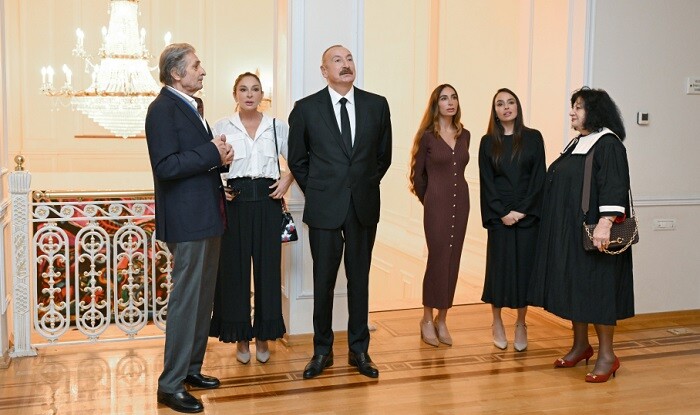
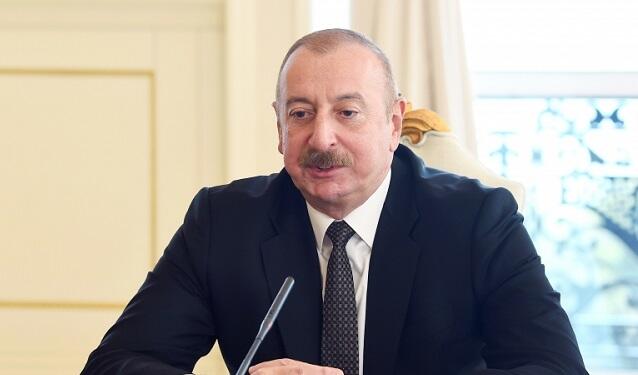
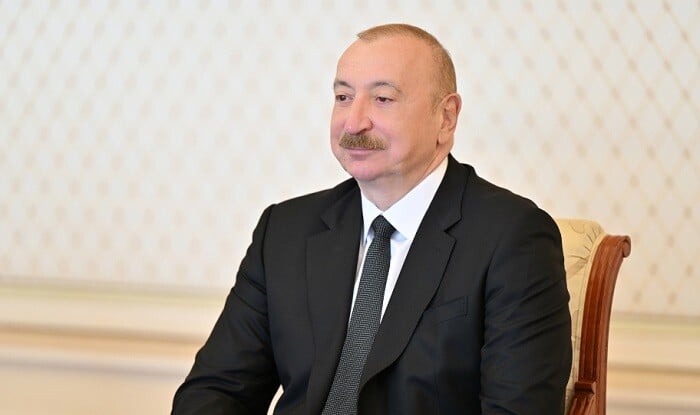
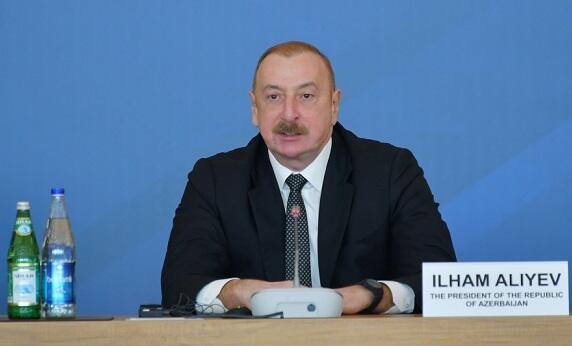
President of the Republic of Azerbaijan Ilham Aliyev, First Lady Mehriban Aliyeva, and their daughters Leyla Aliyeva and Arzu Aliyeva visited the retrospective exhibition “My Absheron: Plus,” dedicated to the 80th anniversary of Farhad Khalilov, a prominent artist, Chairman of the Union of Artists of Azerbaijan, and People’s Artist, at the Azerbaijan National Museum of Art on October 27.
Axar.az reports that the exhibition was jointly organized by the Ministry of Culture, the Azerbaijan National Museum of Art, and the Union of Artists of Azerbaijan. It features more than 90 works from the People’s Artist’s personal collection, created between the 1960s and the present day and ranging from monumental paintings to small-format graphic works.
One of the prominent figures in Azerbaijani fine arts, Farhad Khalilov is known for his rich body of work, distinctive artistic style, and individual artistic vision. Working in various genres of easel painting, he combines different approaches, from realism to avant-garde and abstract art. His works stand out for their diverse forms of artistic expression, distinctive color schemes, and the emotional impact of the spaces depicted.
Landscape painting, particularly the Absheron theme, occupies an important place in Khalilov’s work. Drawing on personal observations and impressions, he depicts Absheron’s natural environment, coastal landscapes, villages, changing weather conditions, and distinctive atmosphere through his individual use of color and light.
For Khalilov, Absheron is not merely a subject to depict but a central theme through which he expresses his feelings, thoughts, and worldview. Beyond their visual representation of place, his works also convey emotional depth.
Graphics also occupy a significant place in the People’s Artist’s work. His graphic pieces, created in various formats and using different artistic approaches, demonstrate the breadth of his creative range and his exploration of form and composition. The exhibition traces the evolution of the Absheron theme in his work and the role it has come to play in his distinctive artistic language.


|
Date
2026.10.27 / 15:52
|
Author
Axar.az
|