

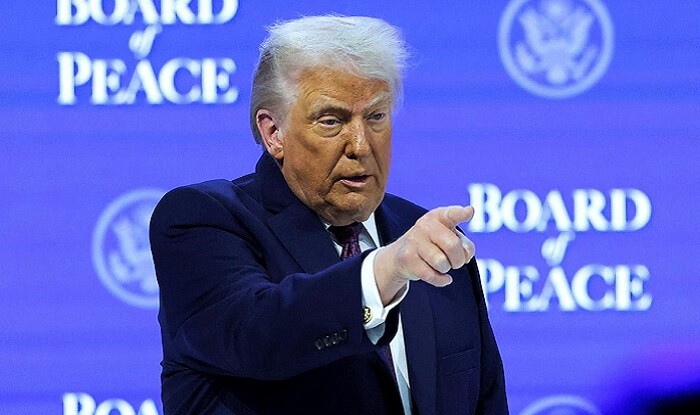
Trump says GOP lost because he wasn't on ballot
10:33
| Home page World |

|
2026.10.04 17:46
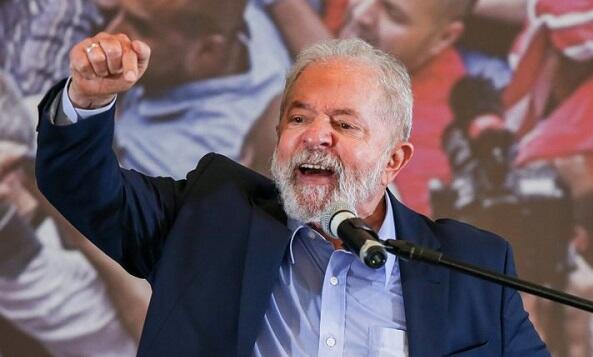
Brazilians are voting Sunday in a highly polarized presidential election pitting left-wing incumbent Luiz Inacio Lula da Silva against far-right Senator Flavio Bolsonaro, son of jailed former President Jair Bolsonaro.
Axar.az reports, citing the Guardian, that Lula, 80, is seeking a fourth non-consecutive term and has positioned himself as one of the few remaining left-wing leaders in Latin America willing to challenge US President Donald Trump.
Flavio Bolsonaro, 45, is backed by his father’s political base and has frequently praised Trump. He has also pledged to join a US-led anti-drug cartel coalition operating across the region.
The race remains unpredictable, with Lula and Bolsonaro alternating as frontrunners in recent polls. If neither candidate wins more than 50% of the vote, a runoff will be held on October 25.
Brazilians are also voting for state governors, members of state legislatures and Congress, as well as 54 of the country’s 81 senators.
***
The right-wing Flavio Bolsonaro has won the first round of Brazil's presidential election, beating the incumbent left-wing President Lula da Silva. But he did not obtain more than 50% of the votes required to win outright.
According to BBC, there will be a run-off vote between these two candidates on 25 October.
Flavio Bolsonaro is the son of the former right-wing president Jair Bolsonaro, who is serving a 27-year prison sentence for masterminding a failed coup attempt after losing the last election.
The election was close, with President Lula polling slightly ahead during the campaign. With 99% of the votes counted, Bolsonaro had 47.03% to Lula's 45.16% of the vote.
Bolsonaro's result exceeded expectations, meaning the second round now looks like his to lose, given some of the other presidential candidates who were knocked out in the first round were right-wing alternatives.
Bolsonaro's Liberal Party (PL) also had the most governors, senators and federal deputies elected in the results so far, meaning the party is expected to have the most influence in Congress.
The majority of Latin America has now elected right-wing presidents, aligned to the Trump administration, and the run-off will determine whether Brazil – Latin America's largest country and economy – will follow suit or not.
After casting his ballot, Lula, 80, warned that the choice was between democracy and "barbarism".


|
Date
2026.10.05 / 09:55
|
Author
Axar.az
|