

US imposes sanctions on ICC after judge wins Nobel Prize
19:34
| Home page World |

|
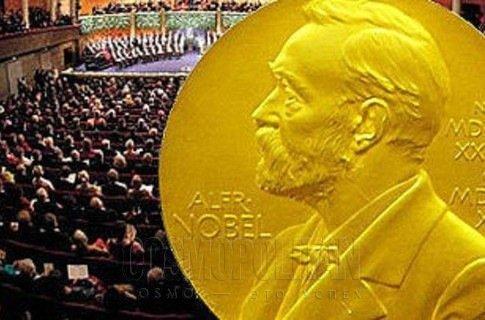
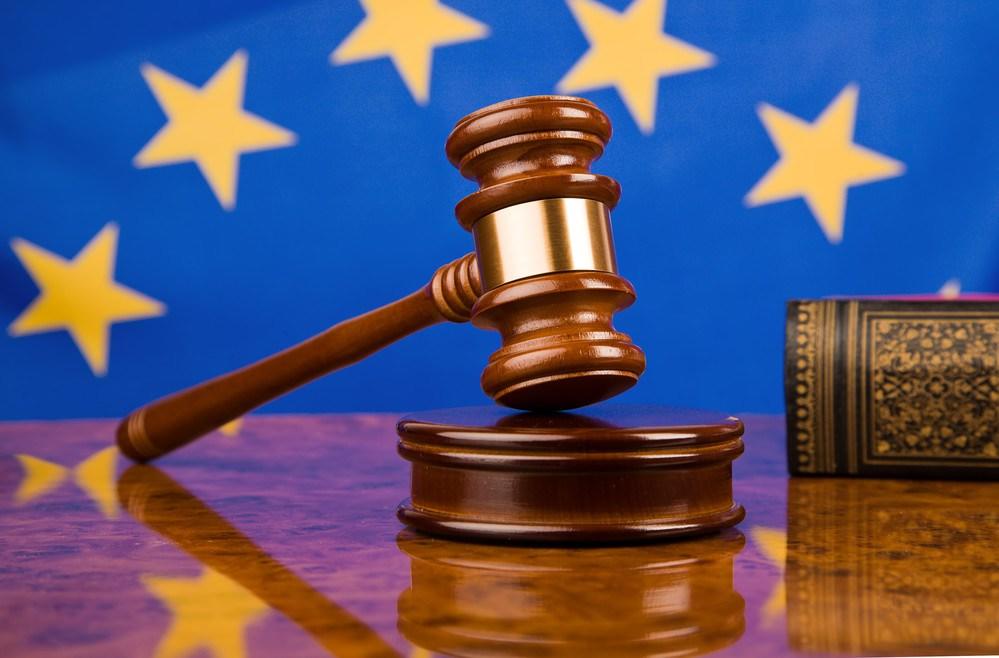
The United States has imposed sanctions on the International Criminal Court (ICC), hours after former ICC judge Navi Pillay won the Nobel Peace Prize.
Axar.az reports, citing Reuters, that US Secretary of State Marco Rubio announced the measures on Friday, saying Washington would prohibit transactions with what he called a “rogue court” and seek to limit its ability to operate.
"President Trump will never allow the International Criminal Court to prosecute Americans. That is why, today, the United States is sanctioning the International Criminal Court. We will ban transactions with this rogue court, cutting off their resources and crippling its ability to operate," Secretary of State Marco Rubio.
ICC Deputy Prosecutor Nazhat Shameem Khan condemned the sanctions, saying they were intended to undermine international rule of law and the work of an independent judicial institution. She said the court’s investigations and prosecutions would continue.
The Trump administration has criticised the ICC over arrest warrants issued for Israeli officials, including Prime Minister Benjamin Netanyahu, as well as its former investigation into the conduct of US soldiers in Afghanistan.
The sanctions could affect companies providing services to the court, potentially disrupting banking, insurance and software support. However, the US Treasury issued exemptions covering certain transactions related to telecommunications, software, pension payments and ICC detainees.
Rubio said Washington had structured the measures to give the ICC and its member states an opportunity to address US concerns. He also urged US allies that are members of the court to “rein in the court,” warning that further action could follow if negotiations fail.
"Either the ICC will end its threats, or we will end the ICC. We expect our allies, many of whom are part of the ICC and that rely on American servicemembers for their defense, to rein in the court. If they do not, the United States will continue its campaign to dismantle the ICC, brick by brick, until Americans are threatened no longer," Rubio said.


|
Date
2026.10.09 / 19:34
|
Author
Axar.az
|