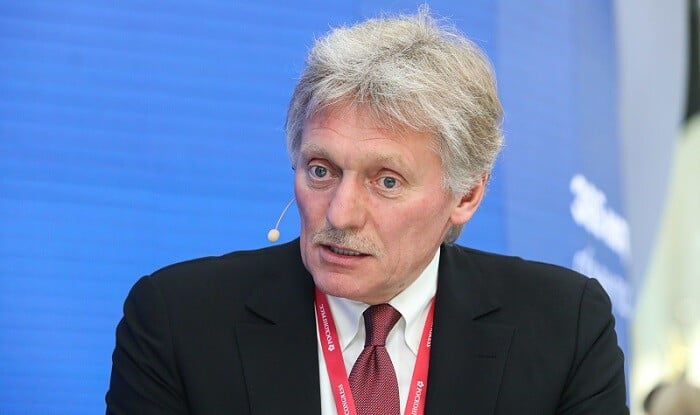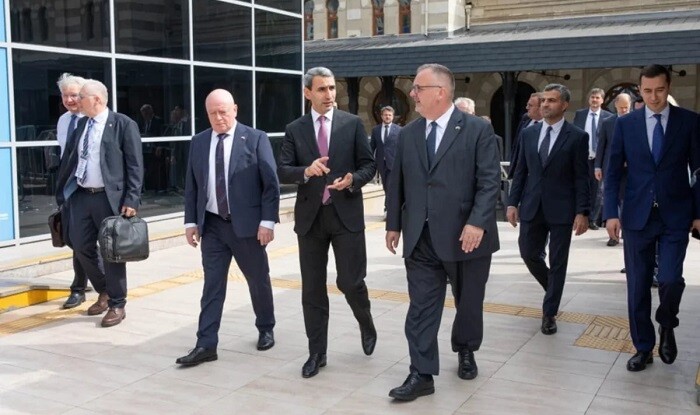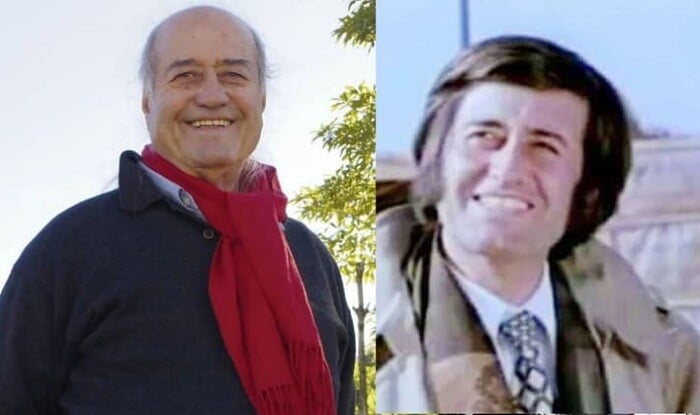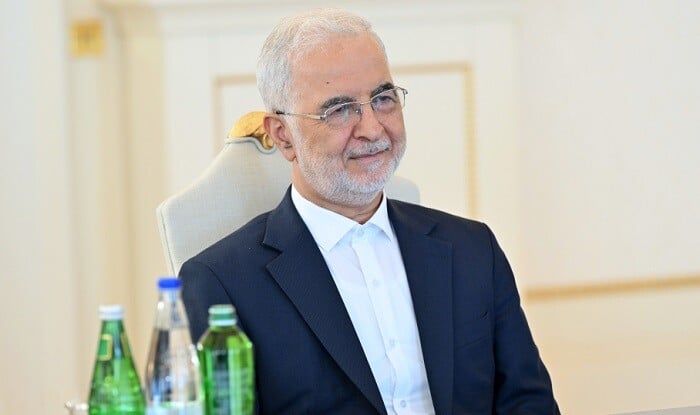

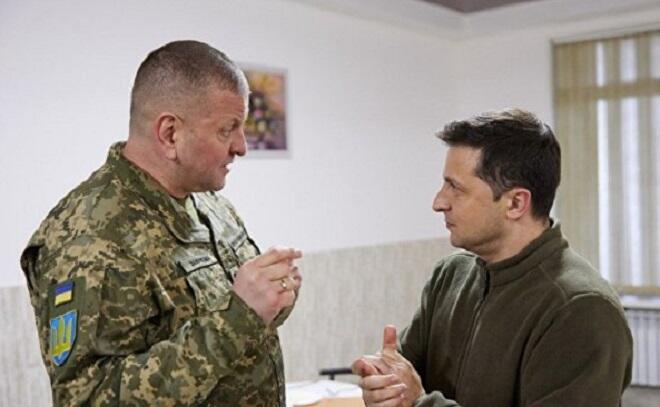
Four figures discussed as potential successors to Zelensky
22:33
| Home page World |

|
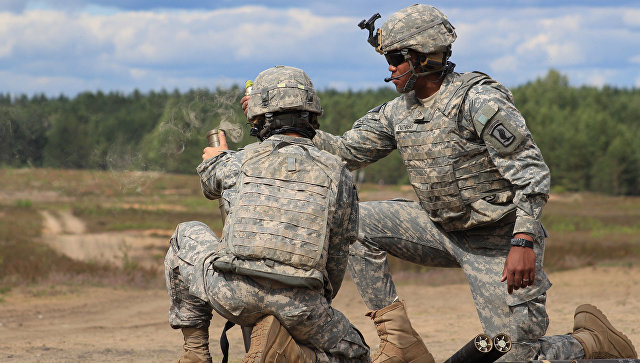
NATO’s top military commander, US General Alexus Grynkewich, has outlined a three-stage plan to repel a potential Russian attack, stressing that the alliance would defend its members even if US forces were engaged elsewhere.
Axar.az reports, citing Politico, that Grynkewich presented the strategy, dubbed the “Theory of Victory,” at the Warsaw Security Forum on Monday.
Under the three-part blueprint, NATO would initially use land-based troops — buttressed by air, naval, cyber and space capabilities — to stop an assault, targeting attacking forces and preventing them from seizing territory, Grynkewich said.
NATO would then use sensors and autonomous systems among other capabilities to “overwhelm enemy formations … and their advance,” he said, before using “highly effective precision munitions” and unmanned systems if necessary to “break the [enemy] warfighting system” and “everything that supports” it.
Asked whether the strategy accounted for a scenario in which the United States was fighting elsewhere, Grynkewich said it did.
“It absolutely does account for that, and in fact, it must,” he said.
The general stressed that he did not consider a conflict imminent or inevitable, but said NATO would ensure any attack on a member state proved futile.
He also warned that attempts by an adversary to escalate a conflict would not fracture the alliance, saying NATO could respond at every level of escalation, including with its nuclear capabilities.
"We should take comfort in our ability to deliver mass effects and the implicit warning that we could match any enemy move up the escalation ladder," Grynkewich said.


|
Date
2026.10.12 / 21:53
|
Author
Axar.az
|