

Fidan: Turkiye does not oppose Greece-Cyprus power cable
21:12
| Home page World |

|

Uzbek President Shavkat Mirziyoyev has signed a law introducing changes to the country’s Latin-based alphabet, aimed at simplifying writing and strengthening the Uzbek language’s presence in the digital environment.
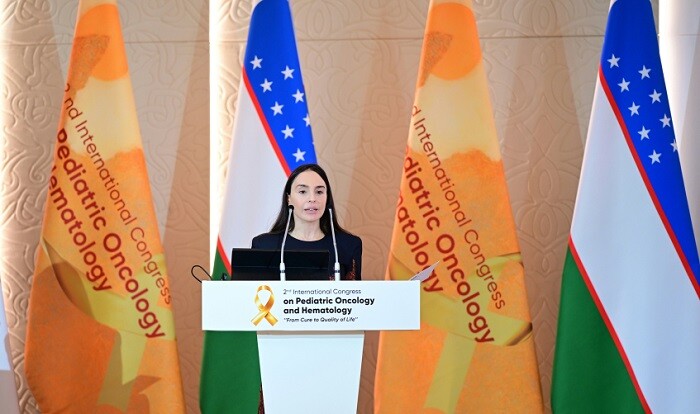
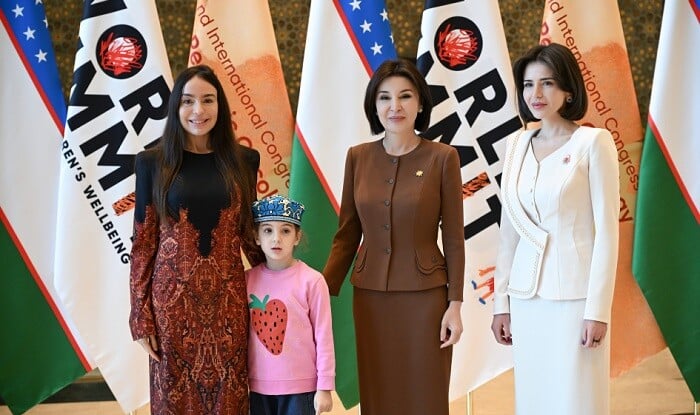
Axar.az reports that Saida Mirziyoyeva, head of the Presidential Administration, said on her Telegram channel that the reform would resolve a long-running controversy over the alphabet and help promote the Uzbek language in the digital space.
The revised alphabet will contain 28 letters and one punctuation mark, following the principle of “one sound – one letter.” The letters Oʻ, Gʻ, Sh and Ch will be given a unified form, while the combination Ng will be removed from the alphabet, with its pronunciation retained in spelling rules.
"Finally, a long-standing historical mistake has been corrected. Today, our President signed the law on improving the Uzbek alphabet based on the Latin script.
This issue had been the subject of debate for many years, with no end in sight. In my speech at a conference dedicated to the legacy of the Jadids on December 11, 2023, I proposed revising the alphabet and said that the time had come to put an end to these discussions.
Of course, change is never easy, and it is natural for it to cause objections or concerns among some people. But believe me, there was no other way to eliminate the shortcomings of our writing system and strengthen the position of our native language in the digital space.
Will all documents now have to be replaced? Absolutely not. We have chosen a way to minimize costs: all existing documents, the national currency and securities will remain valid, while textbooks, signs and direction indicators will be replaced gradually as they reach the end of their service life," Mirziyoyeva stated.
The transition will be gradual. The law will enter into force six months after its official publication, and first-grade textbooks using the revised alphabet are expected to appear in 2027. The full replacement of textbooks is planned by 2031.
Previously issued documents, national currency, and securities will remain valid. Existing signs and indicators at state institutions may continue to be used until they need to be replaced.


|
Date
2026.10.21 / 20:27
|
Author
Axar.az
|