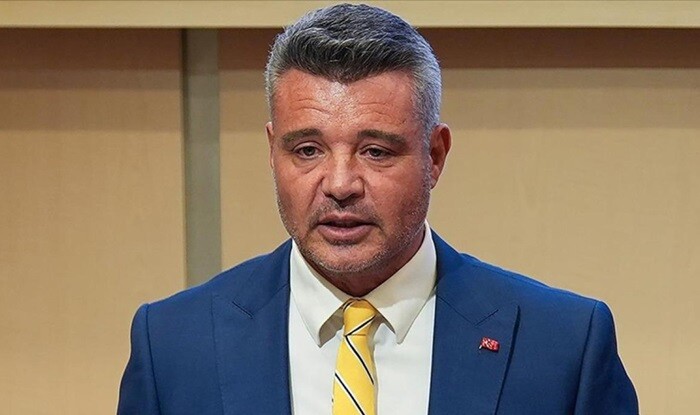



Eisenkot’s bloc leads Netanyahu in Israel election polls
00:30
| Home page World |

|
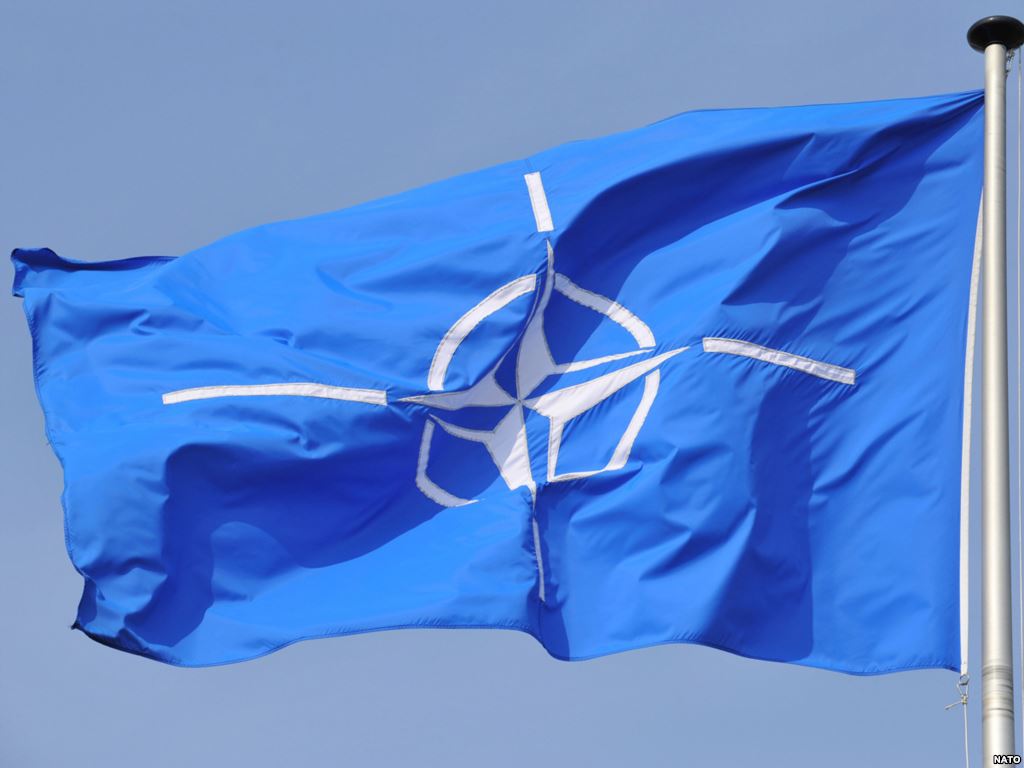
NATO plans to spend 3 billion euros ($3.24 billion) to upgrade its satellite and computer technology over the next three years as the Western military alliance adapts to new threats, a senior official said.
Seeking to deter hackers, and other threats including Iranian missiles, the investments underscore NATO's recognition that conflicts are increasingly fought on computer networks as well as in the air, on land and at sea.
A senior official at the NATO Communications and Information Agency said the plans include a 1.7-billion-euro investment in satellite communications to better support troops and ships deployed across the alliance, as well as aiding the use of Unmanned Aerial Vehicles (UAVs) or drones.
It was not immediately clear if NATO allies would fund a new military communications satellite to be launched into space or if an increase in broadband capacity could be gained from existing U.S. and other allied satellites.
Non-NATO member Japan launched its first military communications satellite in January.
The proposals, for which some funding must still be approved by NATO governments, also envisage spending about 800 million euros on the computer systems that help command air and missile defenses, said the official, who declined to be named.
Seventy-one million euros will go to improving the protection of NATO's 32 main locations from cyber attacks.
NATO says it has seen a five-fold increase in suspicious events on its networks in the past three years, while Russian group APT28 is blamed by Western intelligence for the hacking of the U.S. Democratic Party during last year's U.S. election.
NATO officials have told Reuters they suspect Russia sponsors attacks against their networks before major summits.
Another 180 million euros are to be spent to provide more secure mobile communications for alliance soldiers in the field.
NATO will present its needs in detail at a conference in Ottawa in April and then begin launching the bidding process.
It is likely to attract major Western defense contracts including Airbus Group, Raytheon and Lockheed Martin Corp, the official said, in part because "there cannot be content that does not come from NATO nations."
NATO rules prohibit Russian or Chinese suppliers unless there is a specific need that allied companies cannot provide.


|
Date
2017.03.27 / 13:36
|
Author
Axar.az
|