
Trump calls flying Tesla Roadster ‘very impressive’
01:13
| Home page Politics |

|
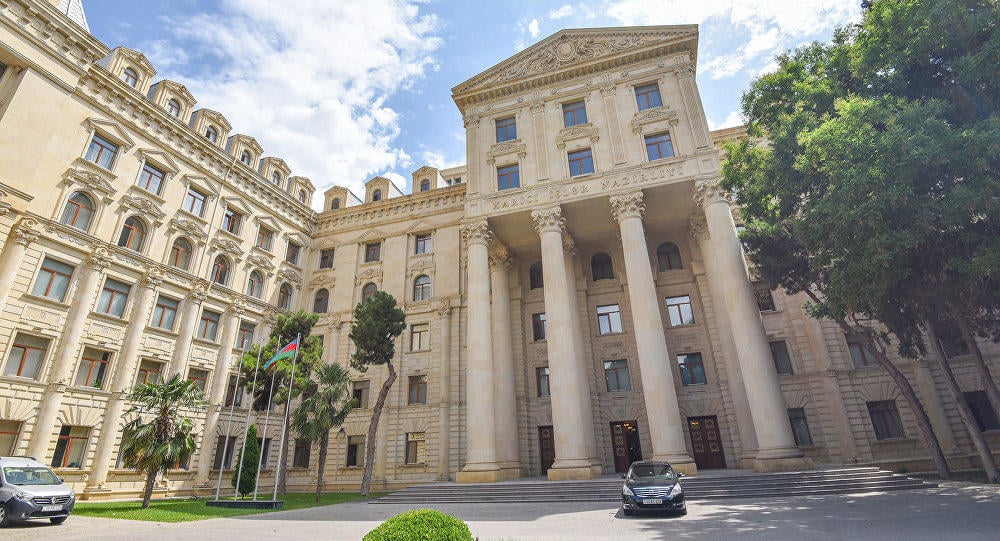
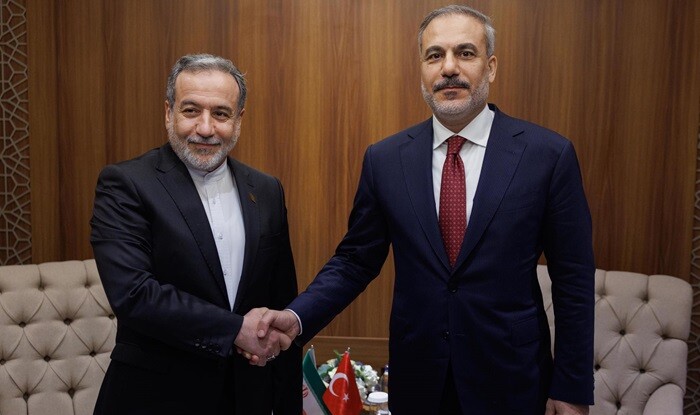
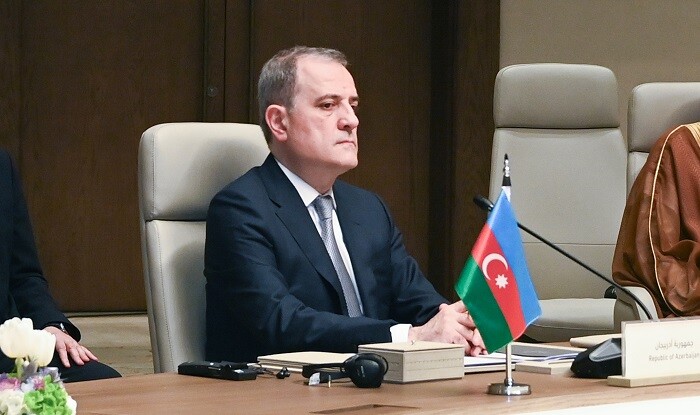
On June 8, the Istanbul Declaration was adopted within the framework of the 10th Trilateral Meeting of the Ministers of Foreign Affairs of Turkiye, Azerbaijan, and Georgia.
Axar.az reports that the declaration reads:
“The Ministers,
Highlighting the excellent relations among their respective countries, based on a profound tradition of friendship, good neighborliness, mutual respect, and trust;
Desirous of carrying the existing strong cooperation forward in all areas of mutual interest, including political, economic, trade, peace and security, science and technology and cultural fields;
Appreciating the significant contributions made by their countries for the establishment of sustainable peace and stability and acknowledging the importance of this approach for development and prosperity in the region and beyond;
Conscious of the growing threats confronting their countries, including but not limited to terrorism in all its forms and manifestations, transnational organized crime, cyber-attacks, and hybrid forms of warfare;
Realizing the importance of further advancing the trade and investment relations among their countries to build a strong economic profile in the region;
Acknowledging regional connectivity as a vital element for regional cooperation, economic growth, and development in the region.
Have declared the following:
Reiterated strong and unequivocal support for each other’s sovereignty, territorial integrity, and inviolability of borders;
Highlighted the importance of their strong trilateral cooperation to overcome regional and global challenges;
Underlined the importance of regional peace, security, and stability for the full realization of the region’s potential for cooperation, and acknowledged the positive role of all three countries to this end;
Reiterated the utmost importance of the restoration of Georgia`s territorial integrity and sovereignty within its internationally recognized borders;
Highlighted the importance of enhancing cooperation on transport and energy, including green energy and low carbon technologies;
Recognized the strategic contribution of the Baku-Tbilisi-Ceyhan Pipeline and the Southern Gas Corridor to regional and European energy security;
Stressed the significance of further development of people-to-people contacts, education, social and cultural exchange, tourism, and ICT, including through improving and strengthening air, rail, and road links and regional connectivity;
Noted the significant steps taken to strengthen the transit potential of their countries, including the Trans Caspian East-West Middle Corridor, the railway-based multimodal transportation corridor passing through the territories of Turkiye, Azerbaijan, and Georgia, as well as the efforts to integrate into the international transit system;
Highlighted the key role of the Baku-Tbilisi-Kars Railway (BTK) within the Middle Corridor and welcomed the event marking the completion of the modernization works under the BTK Railway Project that took place on 2 June in Akhalkalaki International Railway Station in Georgia;
Reaffirmed their commitment to deepen cooperation in strengthening regional connectivity through the mechanism of the Ministers of Foreign Affairs and Ministers in Charge of Transport of Turkiye, Azerbaijan, Kazakhstan and Georgia;
Underlined the strategic partnership in the field of energy and reaffirmed their full support for its continuation and further expansion including through interconnections for green energy transmission and trade.
Supported the cooperation in the field of sustainable growth, including the efficient use of renewable energy;
Highlighted the importance of enhancing and strengthening the regional cooperation on protecting environment and combatting climate change;
Welcomed, in this context, Turkiye's Presidency of the 31st session of the Conference of the Parties (COP 31) to the United Nations Framework Convention on Climate Change (UNFCCC);
Commended the successful hosting of the Thirteenth Session of the World Urban Forum (WUF13) in Azerbaijan and its contribution to advancing international cooperation, dialogue, and sustainable development;
Renewed their commitment to strengthening cooperation in line with relevant international and regional instruments to combat all forms and manifestations of terrorism and transnational organized crime, including illicit trafficking in weapons, drugs and their precursors, trafficking in persons, migrant smuggling, money laundering, crimes against cultural and historical heritage, and cybercrimes;
Ensured continued and enhanced cooperation in the economic areas of common interest through effective and result-oriented projects;
Expressed their readiness to further encourage investments in the areas of mutual interest, as well as to maintain direct contacts in this direction through the business circles, chambers of commerce and industry, as well as the industry and business associations of the three states, including by exploring export-import opportunities and new modalities for promoting economic cooperation;
Welcomed, in this regard, the convening of the seventh “Turkiye-Azerbaijan-Georgia Business Forum” on 26 February 2026 in Tsinandali, Georgia;
Highlighted the success of the trilateral mechanisms established among the three countries including inter-parliamentary cooperation;
Appreciated the active cooperation of the states, including through supporting their respective candidacies at international organizations whenever possible;
The Ministers expressed profound thanks to H.E. Hakan Fidan, Minister of Foreign Affairs of the Republic of Turkiye, for the successful organization of the meeting;
The Ministers emphasized the importance of regularly holding trilateral meetings and decided to hold the Eleventh Trilateral Meeting in Georgia on mutually agreed dates in 2027.”


|
Date
2026.06.08 / 18:30
|
Author
Axar.az
|