



Baku hosts 7th CICA Summit - Photo
11:58
| Home page Science |

|
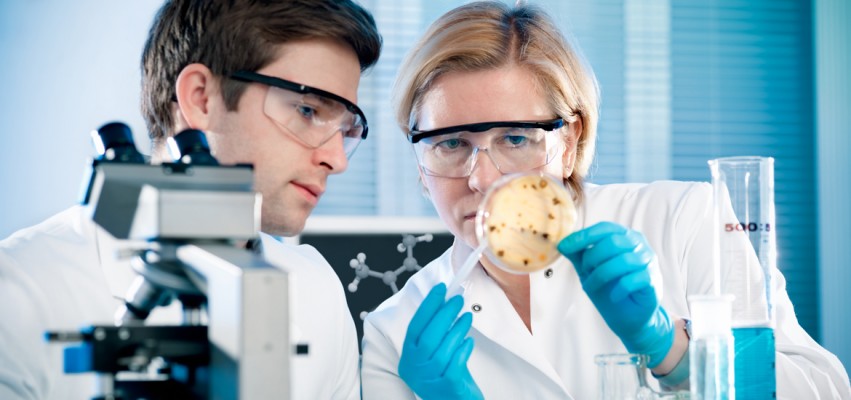
A British lab in Shropshire, Gemini Genetics, is providing an advanced cloning service where pet owners can clone their deceased pets, including cats, dogs, and even horses.
Axar.az informs that the cloning technology, which has evolved significantly since the birth of Dolly the sheep in 1996, allows for the creation of genetically identical animals using tissue samples taken from deceased pets within five days of their death.
Cloning process, costs and ethical concerns:
Once the DNA is extracted, cultured, multiplied, and cryogenically stored, the process is completed in a partner lab in Texas, as cloning is banned in the EU. The cost of the full cloning process ranges between £38,000 and £59,000 ($50,000 to $80,000), and it can take up to a year, especially for animals like horses that have long gestational periods. The cloned animals are born and weaned in the U.S. before being returned to the UK.
For those not ready for the full cost, the company offers an initial service for £600, where the pet's DNA is cryogenically preserved until the owner is ready to proceed with cloning at a later time. Notably, celebrities such as Barbra Streisand have used the service to clone their pets, and demand for this service has grown rapidly since its launch in 2019.
Cloning methods include somatic-cell nuclear transfer, where the DNA from a deceased pet is inserted into a donor egg cell, creating an embryo that is implanted into a surrogate mother. The surrogate carries the pregnancy to term, and the cloned pet is born. However, cloning animals raises serious ethical and welfare concerns. Animal rights groups like the RSPCA argue that cloning treats animals as commodities and can result in high failure rates and physical ailments such as tumors and abnormal growth patterns. They advocate for adoption from rescue centers instead.
Gemini Genetics has already cloned around 1,000 animals annually and is the only lab in Europe offering this service. The company has also preserved DNA from endangered species like elephants and rhinos, raising the possibility of using cloning technology to prevent extinction in the future. The technology has sparked emotional responses from pet owners who seek to keep a piece of their pets alive, but it has also stirred debate about the ethics of cloning, the treatment of animals, and whether it can truly replicate the personality and experience of the original pet.


|
Date
2025.01.31 / 18:30
|
Author
Axar.az
|