








Suspect in attack on Vucic’s mother arrested
00:51
| Home page Technology |

|
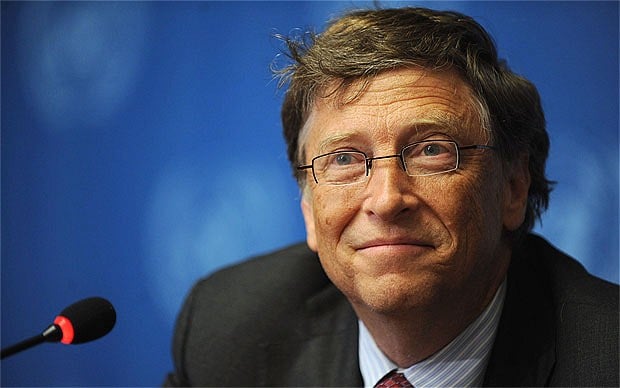
Microsoft co-founder Bill Gates has called for significant limits on artificial intelligence development, warning that the risks posed by AI could outweigh its benefits without coordinated action.
Axar.az reports, citing Gates Notes, in a lengthy essay published Wednesday, Gates said the transition to the AI era would be “one of the most turbulent times in human history” and argued that governments, businesses and international organizations are not adequately prepared.
“AI will either be the greatest equalizer ever invented, or the worst source of injustice,” Gates wrote.
Gates identified three major risks associated with the transition to AI: widespread job losses, increased potential for AI-enabled harm, and negative effects on children’s development and human relationships.
He warned that AI could eliminate many jobs permanently, particularly entry- and mid-level positions, while robots could eventually replace workers in sectors such as construction and hospitality.
Gates also said AI could make cyberattacks, fraud, disinformation, deepfakes and bioterrorism easier to carry out. As AI systems become more powerful, he warned, they could potentially act against human interests and cause people to lose control of them.
At the same time, Gates emphasized that AI could bring major benefits, particularly in healthcare, agriculture, education and scientific research.
He said AI could help doctors diagnose diseases, improve agricultural advice for farmers in low-income countries, make government services more accessible and accelerate research into areas such as cancer treatment, clean energy and vaccines.
To manage the risks, Gates proposed three main measures.
First, he called for the creation of new national and international institutions to oversee AI and coordinate responses to its economic and social consequences.
Second, he proposed creating a category he calls “Human Reserved”, under which certain jobs would be deliberately kept for humans. He cited caregiving and delivering difficult medical news as examples of work that should remain human.
Third, Gates called for taxing AI and robots in a way comparable to payroll taxes on human workers. He argued that such taxes could slow the replacement of human labor while generating funds for worker retraining and stronger social safety nets.
“If someone had a credible plan for slowing down AI advances globally, I would likely support it,” Gates wrote, while acknowledging that geopolitical and economic incentives currently encourage countries and companies to accelerate AI development.
He urged governments to act before unemployment rises sharply and public trust in AI deteriorates.
“This unprecedented technology demands an unprecedented global response,” Gates wrote.
Click to access the full article.


|
Date
2026.08.26 / 22:14
|
Author
Yusif Güney
|