
Israel kills senior Hamas commander in Gaza strike
14:34
| Home page World |

|
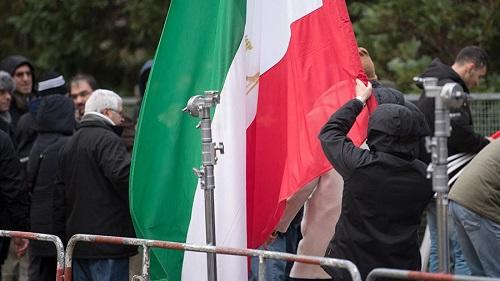
Iran Human Rights (IHRNGO); January 9, 2026: At least 51 protesters, including nine children under the age of 18, have been killed and hundreds more injured in the first thirteen days of the new round of nationwide protests in Iran.
Axar.az reports that according to IHRNGO has also received reports of dozens more protesters being killed in Tehran, Mashhad, Karaj (Fardis) and Hamedan. These reports are currently being verified and not included in the present figures.
On 8 January, protests and strikes were more widespread than on previous days and by 22:00 (local time), there was an internet blackout across the country.
IHRNGO warns of the possibility of intensified repression and a higher death toll following the internet shutdown.
IHRNGO Director, Mahmood Amiry-Moghaddam stated: “The nationwide internet shutdown is reminiscent of the bloody crackdown on the November 2019 protests when several hundred protesters were killed. Over the past 13 days, the extent of the government’s use of force against protesters has been increasing, and the risk of intensified violence and the widespread killing of protesters after the internet shutdown is very serious. The international community must act immediately to ensure people in Iran have access to a free internet, and countries that have diplomatic relations with Iran must, in a clear and decisive message, tell the Islamic Republic that the world will not tolerate the killing of protesters.”
The new round of protests, which began on 28 December 2025 in Tehran’s bazaar over poor economic conditions, quickly spread to other parts of Iran, accompanied by anti-government slogans. In the first thirteen days, prior to the internet shutdown, protests continued in all provinces and in around 120 cities.
Death Toll and Arrests
According to data and information collected by IHRNGO, at least 51 protesters have been killed in 11 provinces. It should be noted that the number only includes cases verified directly by IHRNGO or through two independent sources. Nine of those killed are reported to have been under 18 years old. IHRNGO is working to confirm their exact ages through document identification.
On 7 January, at least two protesters were reported to have been killed in western Iran. The Islamic Republic of Iran Broadcasting (IRIB) also aired a report on the killing of a number of security forces and protesters that day. Furthermore, the head of the judiciary in North Khorasan province announced that the Esfarayen public prosecutor and several security forces had been killed on 8 January. Moreover, the IRGC-affiliated Tasnim News Agency reported the killing of six unnamed protesters in Hamedan.
Footage from protests that took place in Fardis (Karaj) on 8 January indicate that a significant number of protesters have been killed. IHRNGO has received additional reports of fatalities in other cities which IHRNGO is working to verify.
State forces continue to use live ammunition against protesters and widespread, mass arrests have been reported in some cities. The number of people detained in relation to the protests has now exceeded 2,200.
Protests
Thursday, 8 January saw the most extensive protests with the highest number of protesters, with cities including Tabriz, Urmia and Ardabil joining. On the same day, at least 50 Kurdish cities took part in a general strike after a call by seven Kurdish political groups.
At least 36 Iranian universities have participated in protests and used anti-government slogans in the last thirteen days.
On 9 January, Baluch minorities in Zahedan staged a protest after Friday prayers in Maki mosque which was met with direct fire on protesters. This is reminiscent of Zahedan’s “Bloody Friday” during the “Woman, Life, Freedom” protests when over 100 protesters were killed outside the mosque.
Internet Blackout
From 22:00 on 8 January, the internet was shut down across Iran. According to NetBlocks, 99% of Iran’s internet was under an internet blackout by the next morning. The last time Iran experienced a comparable nationwide internet blackout was in November 2019, when hundreds of protesters were killed over the course of several days, and according to some reports up to 1,500 people were killed by state forces.
In response to the protests, Ali Khamenei, the Islamic Republic’s Supreme Leader described protesters as “vandals” and “rioters,” stating that they would not back down in the face of protests.
Khamenei’s threat at the same time as the nationwide internet blackout raises concerns about the possibility of the widespread killing of protesters.


|
Date
2026.01.10 / 00:22
|
Author
Yusif Güney
|