

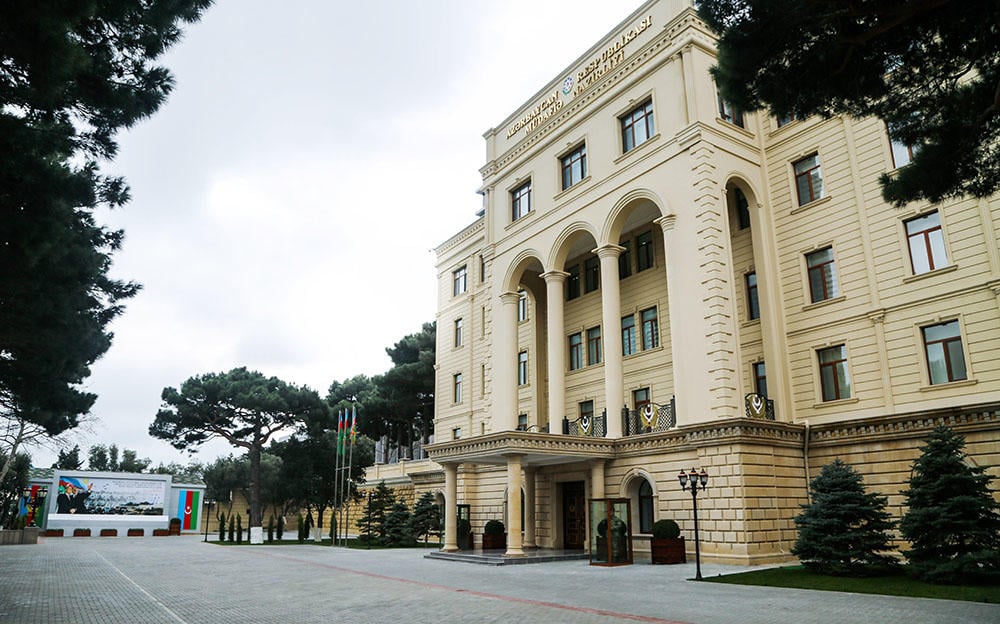
Two Azerbaijani soldiers injured in Kalbajar mine blast
00:35
| Home page World |

|
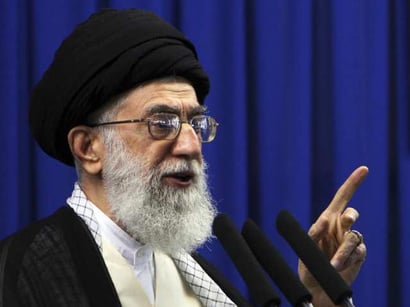
Iran’s ruling system is facing its gravest crisis in decades after a brutal crackdown on nationwide protests left thousands dead, many executed or killed in mass shootings.
Axar.az, citing the Economist, reports that the violence has further eroded the regime’s legitimacy at home and exposed its growing weakness abroad, where its regional proxy network has suffered major setbacks and its military vulnerabilities have been laid bare.
While the protests reflect deep economic hardship, political repression, and public rage, history suggests unrest alone may not topple the regime.
Analysts warn that collapse could lead to dangerous instability, including factional power struggles, separatist uprisings, or broader civil conflict, risks compounded by Iran’s nuclear capabilities and missile arsenal.
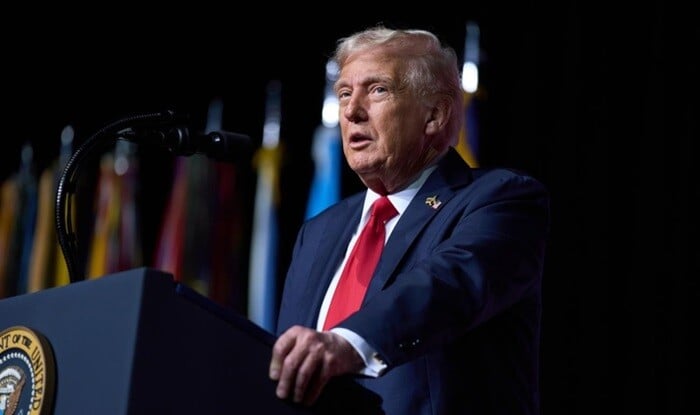
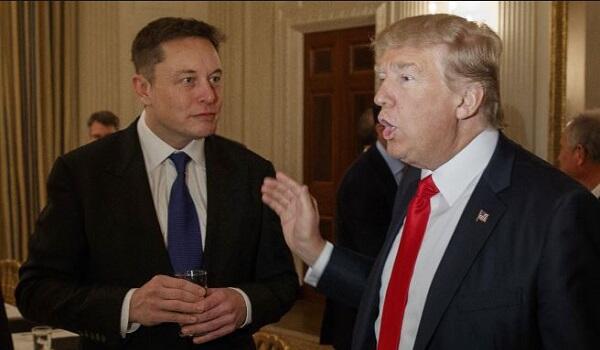
Possible outcomes range from the regime surviving through repression to internal fragmentation involving the Revolutionary Guards or a negotiated transition that trades sanctions relief for strict limits on Iran’s nuclear and missile programs. The United States, under President Donald Trump, has signaled it may consider limited action, from targeted strikes to political pressure, but experts caution that military intervention could trigger regional escalation without guaranteeing stability.


|
Date
2026.01.27 / 12:12
|
Author
Axar.az
|