
Rainy weather expected tomorrow
18:10
| Home page World |

|
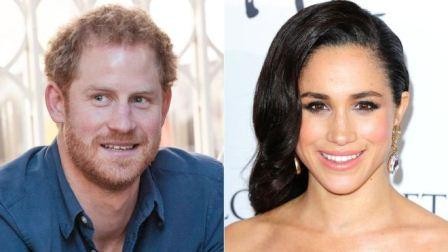
Prince Harry has confirmed US actress Meghan Markle is his girlfriend, in a statement from Kensington Palace attacking the media for subjecting her to a "wave of abuse and harassment".
The statement said the couple were "a few months into a relationship" and it was "not right" that Ms Markle should be subjected to such treatment.
It said the prince rarely took formal action over "fictional stories".
"But the past week has seen a line crossed," it added.
In recent days a number of newspapers have carried front page stories about the 35-year-old actress, best known for playing Rachel Zane in the TV drama Suits.
The statement issued by the prince's communications secretary said: "His girlfriend, Meghan Markle, has been subject to a wave of abuse and harassment.
"Some of this has been very public - the smear on the front page of a national newspaper; the racial undertones of comment pieces; and the outright sexism and racism of social media trolls and web article comments.
"Some of it has been hidden from the public - the nightly legal battles to keep defamatory stories out of papers; her mother having to struggle past photographers in order to get to her front door; the attempts of reporters and photographers to gain illegal entry to her home and the calls to police that followed; the substantial bribes offered by papers to her ex-boyfriend; the bombardment of nearly every friend, co-worker, and loved one in her life."
The 32-year-old prince has long had an uneasy relationship with the press, having grown up aware of the impact that intense media intrusion had on the life of his late mother, Diana, Princess of Wales.
When he was 20, he was caught up in a scuffle with a paparazzi
photographer outside a London nightclub.
In 2012, naked photographs of him in a Las Vegas hotel room were
published online and on newspaper front pages, prompting a
complaint to the Press Complaints Commission.
But he has also attracted positive coverage of his charitable interests and military service.
BBC royal correspondent Nicholas Witchell said editors in the UK might abide by the prince's requests but it was unlikely to have an impact on foreign publishers as there was a considerable financial interest in pursuing stories about the relationship.
Our correspondent said the statement appeared to be a "cry from
the heart" and showed how clearly Prince Harry was determined to
protect this relationship after previous girlfriends had endured
similar media attention.
In 2014, the Press Complaints Commission became involved again when
Prince Harry and his then girlfriend Cressida Bonas complained the
paper had published two photographs of them at the Royal Albert
Hall that intruded into their privacy.
The statement said Prince Harry was worried about Ms Markle's safety and that he "is deeply disappointed that he has not been able to protect her".
It added: "It is not right that a few months into a relationship with him that Ms Markle should be subjected to such a storm.
"He knows commentators will say this is 'the price she has to pay' and that 'this is all part of the game'. He strongly disagrees. This is not a game - it is her life and his."
The statement ended with Prince Harry appealing for "those in the press who have been driving this story [to] pause and reflect before any further damage is done".
Camilla Tominey, the royal editor of the Daily Express, said
Prince Harry's statement was "unprecedented" and appeared to have
been as much prompted by coverage on the internet as in the
press.
"There is Fleet Street and then there is the internet," she told
the BBC.
"There are no editors to be held accountable, they publish what they like and you get commentary, not just from journalists but from members of the public laying into this girl, writing some hateful stuff."


|
Date
2016.11.08 / 19:27
|
Author
Axar.az
|