











Azerbaijani, Turkish FMs discuss bilateral ties in Baku
00:51
| Home page Technology |

|
NASA is studying the feasibility of sending a manned crew on the maiden flight of the deep-space Orion spacecraft, which is hoped to eventually bring astronauts to Mars. A report on the matter is to be prepared by early spring.
During a media teleconference on Friday the agency revealed that it intends to have initial findings out in a “pretty polished format” in a month’s time on how workable it is to add a crew to the Exploration Mission-1 (EM-1). The mission is meant to test the Space Launch System (SLS) / Orion Spacecraft combination in a moon flyby.
The decision to consider changing the Orion mission from unmanned to manned was announced earlier this month by Robert Lightfoot, NASA's acting administrator, at the request of the Trump administration.
The original mission was to launch an unmanned Orion craft around the moon and back in 2019 before launching a manned mission around 2021.
If a crew is carried on the first integrated flight of NASA’s SLS rocket and Orion spacecraft, it will coincide with the 50th anniversary of Apollo 11 - the US’s first manned mission to land on the moon.
William Gerstenmaier, associate administrator of NASA’s Human Explorations and Operations Mission Directorate in Washington and William Hill, deputy associate administrator for Exploration Systems Development in Washington fielded questions from the press about this historic possibility but made it clear that they received no specific guidance on schedule or budget.
NASA is calling on team members not directly associated with the Orion program for assistance on the feasibility study.
The study will look at the opportunities it could present to accelerate the effort of the first crewed flight and how much time and funding this would take.
The priority is to ensure it can be done while limiting the potential risks to the crew’s safety, according to NASA.
“It will not necessarily be a standalone study,” the administrators said, noting that regardless of the decision they still have an exciting mission ahead. “There’s benefits either way.”
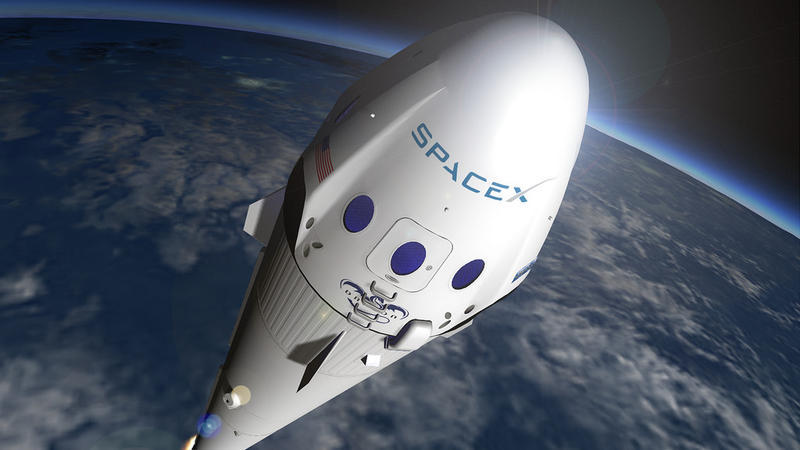
Orion is built to take astronauts farther into the solar system than ever before and is intended to help NASA prepare for missions to Mars. Its first test flight took place in 2014, but it used the Delta IV Heavy rocket rather than the Space Launch System as the launch vehicle.


|
Date
2017.02.25 / 16:29
|
Author
Axar.az
|