




Nations League second-round matches conclude
01:03
| Home page Health |

|
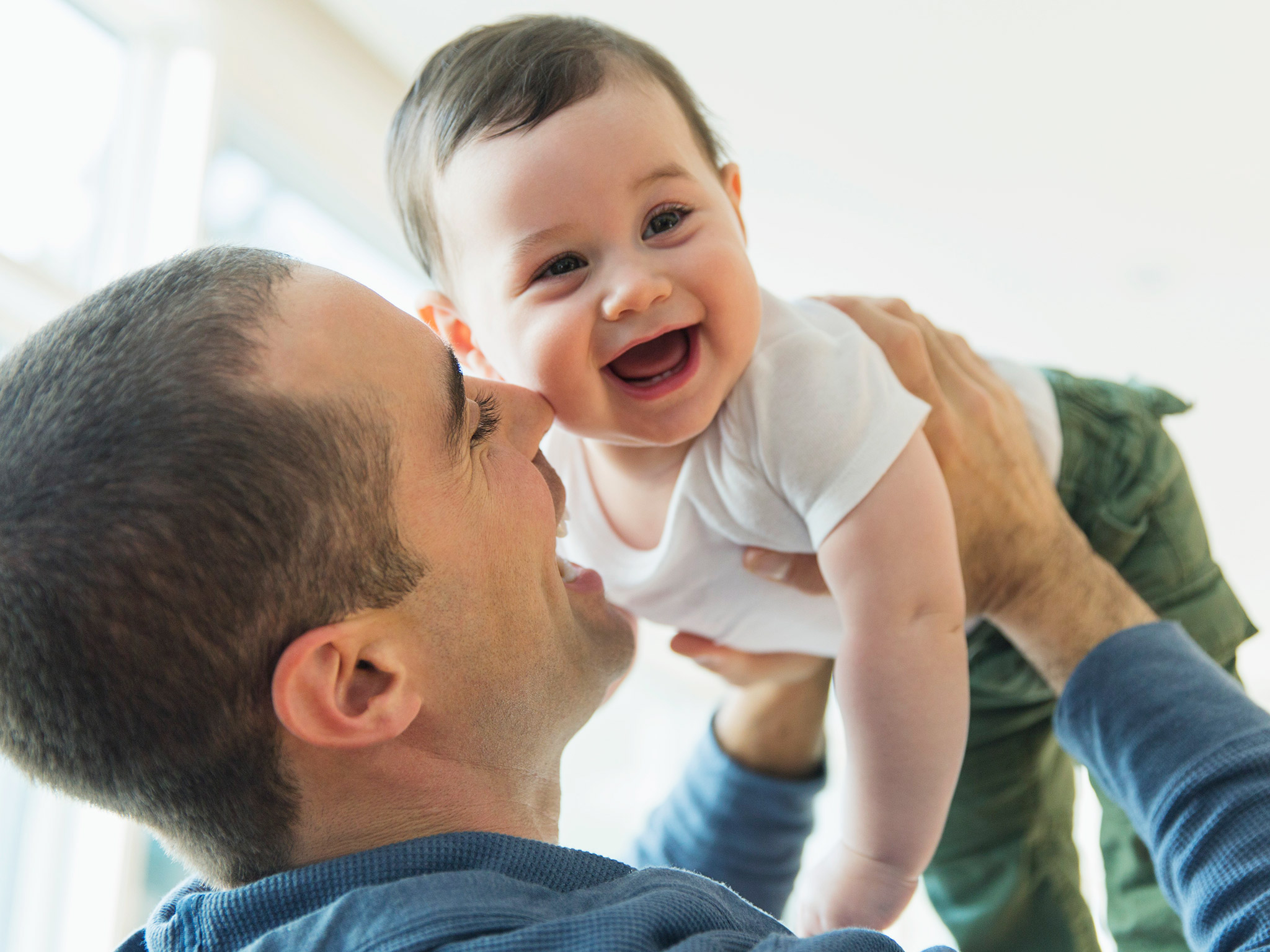
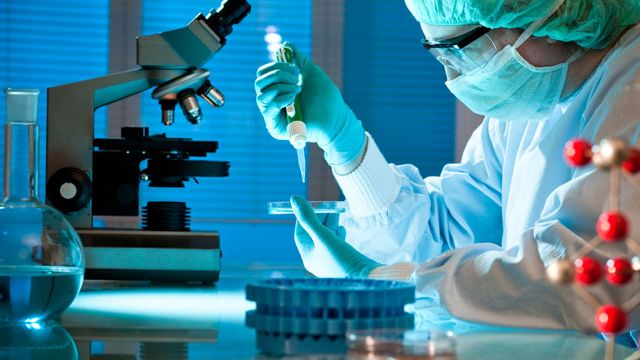
The "love hormone" oxytocin is well known for its role in mother-infant bonding, but a new study suggests that it could also benefit the relationship between a father and child by boosting paternal caregiving. Researchers say that the findings may pave the way to new treatments for postnatal depression among fathers.
Axar.az reports citing to Medicalnewstoday new research suggests that oxytocin may increase paternal caregiving.
Published in the journal Hormones and Behavior, the study reveals that doses of oxytocin boosted brain activity related to reward and empathy among fathers in response to images of their children.
Lead study author James Rilling, director of the Laboratory for Darwinian Neuroscience at Emory University in Atlanta, GA, and colleagues say that their findings point to a possible strategy to improve paternal behavior.
Produced by the hypothalamus, oxytocin plays a vital role in childbirth, stimulating the contraction of uterine muscles to initiate labor. After birth, the hormone helps transport milk to the breast, promoting lactation.
Additionally, oxytocin is believed to play a vital part in the social bonding between a mother and child. Studies have shown that following childbirth, the hormone stimulates neural pathways in the mother's brain that are associated with nurturing behavior.
Oxytocin may increase fathers' motivation to care for their children
Rilling and team note that recent studies have suggested that men are also subject to hormonal changes after the arrival of a new baby. One study published in 2013, for example, demonstrated an increase in oxytocin among new fathers, which was associated with increased father-child bonding.
For their study, the researchers set out to investigate how oxytocin affects brain activity to influence paternal behavior.
The team enrolled healthy fathers who had children between the ages of 1 and 2. Half of the fathers were given doses of oxytocin, while the remaining half received a placebo. Both were delivered through a nasal spray.
All fathers underwent functional magnetic resonance imaging (fMRI) as they viewed three different images: an image of their offspring, an image of an unfamiliar child, and an image of an unfamiliar adult.
The researchers found that when fathers were shown an image of their offspring, those who received oxytocin experienced an increase in neural activity in the caudate nucleus, dorsal anterior cingulate, and visual cortex of the brain. These are regions that are associated with reward and empathy.


|
Date
2017.04.28 / 22:59
|
Author
Axar.az
|