










Azerbaijan, UAE complete next phase of joint air drills - Video
18:10
| Home page Health |

|
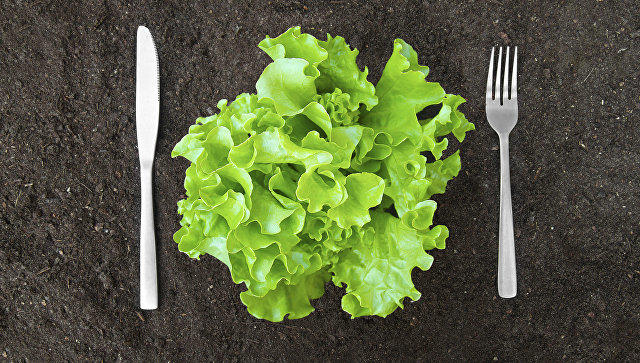
There is a great deal of nutritional misinformation, especially with the rise of health influencers on social media.
Axar.az reports that registered dietitian Tai Ibitoye told the BBC about six of the most common diet myths and explained why they should not be believed.
1. 'Stay away from carbs – they're fattening'
Gram for gram, carbohydrates contain less than half the calories (kcal) found in fat.
Although excluding carbs can lead to weight loss – like any other dietary restriction – this could be water loss, rather than fat loss. Also, diets which cut out major food groups are hard to stick to.
Carbs are an essential macronutrient and our primary source of energy. In fact, they should form 50% of our total energy intake.
Instead of cutting carbs, opt for wholegrain varieties, such as wholemeal bread, wholewheat pasta, brown rice, fruit, veg and potatoes with their skin on.
In addition to feeling fuller – which is helpful for weight management – you'll be increasing your fibre intake, something 90% of us aren't getting enough of.
2. 'Sugar in fruit is bad for you'
Fructose is a naturally occurring sugar found in all fruits – the sugar is contained within its cell structure so is not classed as 'free sugar', which is the type many need to be mindful of.
Free sugars are added to food or drink to sweeten it, and the type you find in juice, syrup and honey.
Fruits are a great source of vitamins, minerals, phytochemicals and fibre – all of which are key for good health. And, eating them alongside vegetables has been associated with a reduced risk of developing high blood pressure and heart disease.
Aim for at least five portions of fruit and veg a day. Fruit juice does count, but only for one portion – no matter how much you drink.
The fibre is mostly removed in juice and the sugars here are 'free sugars' (because of the juicing process). So, have no more than one small glass (150ml) a day.
3. 'Detox diets rid the body of toxins'
Many detox diets are potentially dangerous and aren't based on robust scientific evidence. Claims are often exaggerated, with any benefits likely being short-lived.
Plus you already have your own detoxers, step forward, your gut, liver and kidneys. Unless, you have a serious medical condition, they will detox the body by responding to physiological signals.
So specific detox food, drink or supplements really aren't required.
While some detox diets encourage increasing fruit and veg intake and reducing foods high in saturated fat, salt and sugar (which is no bad thing), they also regularly encourage excluding entire food groups.
For most of us, this isn't necessary and could result in nutritional deficiencies.
Enjoy a healthy and varied diet, get enough sleep, be mindful of alcohol intake, don't smoke, get fresh air and be active instead.
4. 'Vegan and vegetarian products are healthier'
A vegetarian or vegan diet can be nutritious and support healthy living. But, just because a food is plant-based doesn't mean it's the best or healthiest option.
Some vegetarian and vegan products are ultra-processed and very high in saturated fat, salt and sugar.
Vegan ice cream can contain similar amounts of sugar to dairy ice cream, and meat substitutes like soya burgers and sausages (although a good source of protein) can be high in salt and fat.
Read nutrition labels to check for added ingredients, and be mindful of how meals are prepared, such as frying instead of baking.
5. 'Avoid dairy – it's not needed in your diet'
Dairy is a highly nutritious source of protein, calcium, iodine, phosphorus, potassium and B vitamins.
Some fermented dairy foods like bio-live yoghurt and kefir contain probiotics, so can also support gut health.
Dairy does contain a natural sugar called lactose, but this doesn't count as the 'free sugars' mentioned above because it's combined with important nutrients.
Unless you have a diagnosed dairy allergy or intolerance, you don't need to cut dairy out.
If you choose to avoid dairy for other reasons – for example, if you're vegan – make sure your diet contains products that are fortified with iodine, calcium and B vitamins.
6. 'Individual ingredients and supplements can boost your immune system'
There are many essential nutrients that keep our immune systems working well – but they all work together. Don't become fixated on single nutrients like zinc or vitamin C when other nutrients also have important roles to play.
Eating a balanced diet, which includes fruits, vegetables, wholegrains, dairy (or fortified alternatives), nuts, seeds, meat, fish and/or plant proteins like beans and pulses is enough to support our immune systems, in most cases.
Some people might need supplements, such as those who are planning to become (or are) pregnant, individuals at risk of vitamin D deficiency and some vegans.
Again, adequate sleep, regular exercise and keeping stress at bay will go a long way.
So, next time you see a health 'fact' on social media, take a look at who's behind it and check whether the science stands up.


|
Date
2026.04.17 / 13:16
|
Author
Axar.az
|