


Nations League third-round matches completed
00:54
| Home page Politics |

|
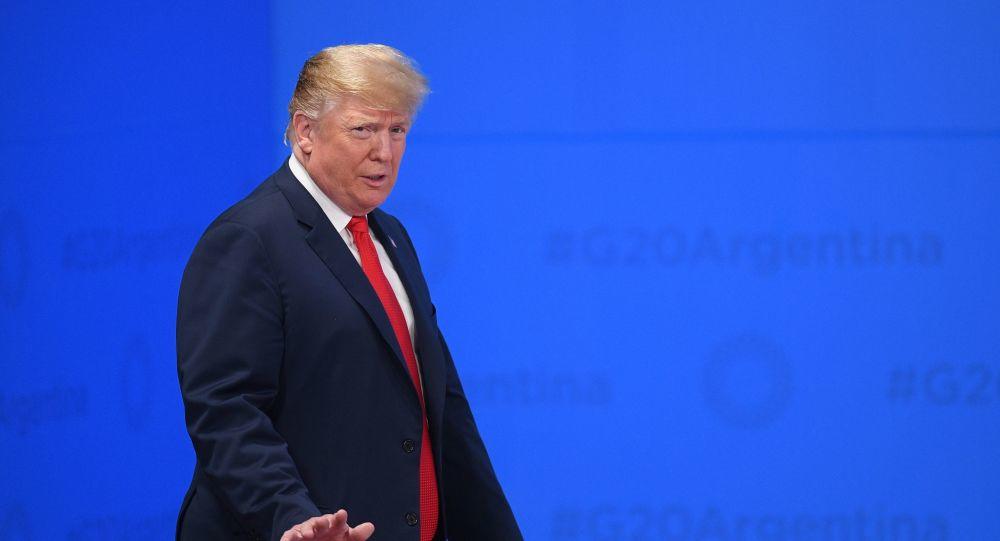
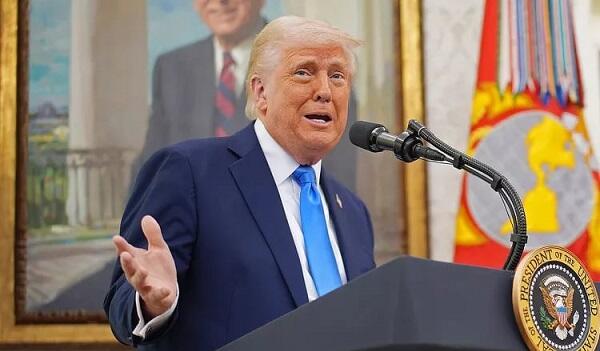
One of the main reasons for tension between the US and Europe over Greenland’s status stems from the claims made about the island during Donald Trump’s presidency. Trump argued that Greenland holds special importance for US national security.
Axar.az Political analyst Sultan Zahidov said this while commenting on the US–Europe tensions over Greenland.
Zahidov noted that Greenland is strategically crucial due to its location in the Arctic:
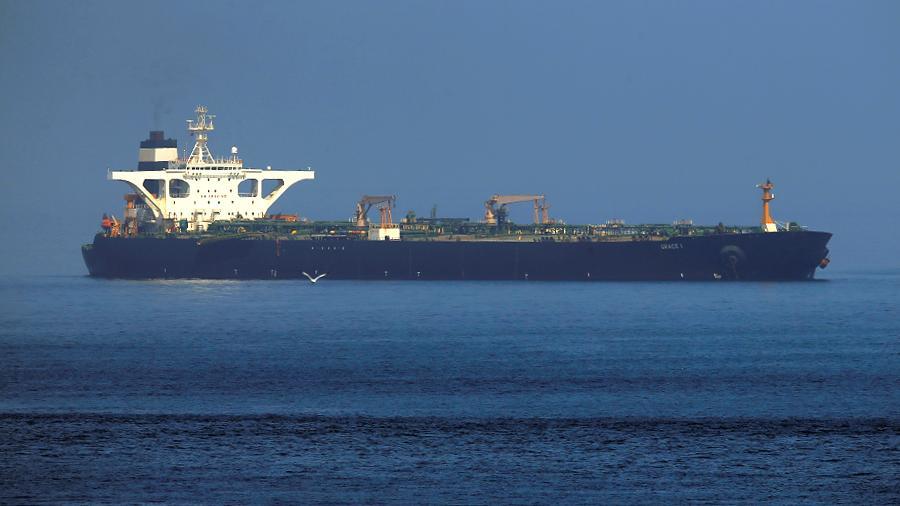
“Especially in terms of controlling maritime transport, Greenland occupies a key position. The increasing activity of Russian and Chinese vessels in the region is a major factor causing US dissatisfaction. Even before Trump, for over the last 100 years, the US had made claims on Greenland in various forms. However, the current difference is that Trump used extremely harsh rhetoric on the issue and did not even rule out a military option. This approach caused serious displeasure for Denmark, the legal owner of Greenland, and European countries.”
The analyst emphasized that the European Union has real leverage over the US, primarily through economic mechanisms:
“The US is a major power both economically and institutionally. The discussion of tariffs worth €93 billion is no coincidence. This issue had been discussed earlier, but was temporarily frozen after the US–EU trade agreement.
The EU is one of the US’s largest trading partners, and potential tariffs could seriously affect the American economy. Europe ranks first in US exports. Imposing €93 billion in customs duties on US products, especially in the agriculture, automotive, and aviation industries, could deliver a serious blow. Reduced sales in these sectors would risk slowing production, halting investments, and increasing unemployment.”
Zahidov does not rule out that the US–EU confrontation could become a long-term strategic crisis, but he believes it will not last:
“About three years remain in Donald Trump’s presidency, and there is no guarantee that the next president will continue the same policy. On the other hand, there are strong transatlantic ties between the US and the EU rooted in history. The UK factor also plays a role, and I believe London will try to take an active role in reaching a compromise solution to this crisis.”


|
Date
2026.01.20 / 14:12
|
Author
Axar.az
|