

British army chief warns public to prepare for war
09:11
| Home page Society |

|
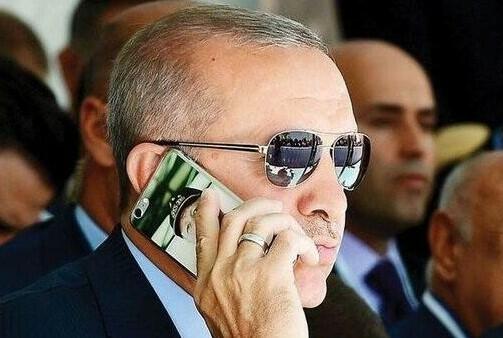
Turkish President Recep Tayyip Erdogan did not allow French President Emmanuel Macron to cross his country's land border from Armenia following consultations with Baku.
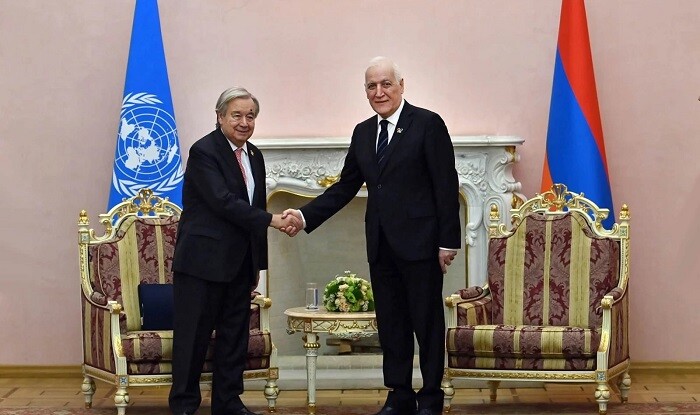
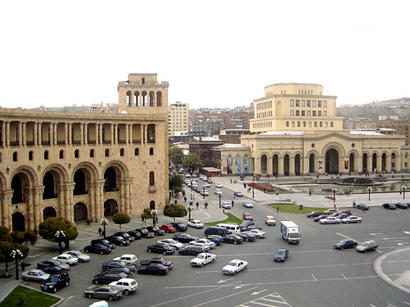
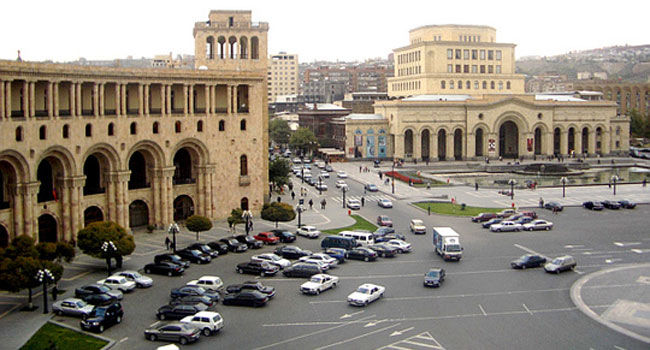
Axar.az informs, citing Repоrt, that Macron, who was visiting Yerevan from May 3-5 to participate in a series of events, had planned to make a "politically symbolic" gesture by traveling from there to Turkiye through the closed land border for a meeting with Erdogan.
As several informed sources told the outlet, the visit had been agreed upon in advance with certain representatives of the Turkish side. However, when the matter was elevated to the level of the Turkish head of state, after discussions with his strategic ally, Azerbaijan, he refused to meet with Macron.
"Presumably, Macron, amid international criticism of his failed foreign policy, was hoping to turn the trip from Armenia to Turkiye into a demonstration of his own diplomatic weight. The French president's crossing of the Turkish-Armenian border, which has been closed for over 30 years, could have become an unprecedented example of bilateral communications being opened by a third party.
Having lost Africa and the Middle East, having damaged relations with Israel, and having achieved nothing on the Ukrainian front, Macron with his failed attempt once again underscored the gap between his own geopolitical ambitions and Paris's actual weight on the international stage," the outlet writes, also citing as an example an article from the newspaper Le Journal du Dimanche titled "French diplomacy is rapidly losing its significance under Macron."
Interestingly, against this backdrop, the statements of Turkiye's special representative for normalization of relations with Armenia, Serdar Kilic, gained resonance. He stated that he "feels at home in Yerevan" and that, when making proposals to his Armenian counterpart Ruben Rubinyan after the start of Armenian-Turkish normalization, he "was guided by the interests of Armenians, not Turkiye."
Azerbaijani media note that his rhetoric contradicts the official line of the Turkish authorities and may be perceived as a departure from national interests.


|
Date
2026.05.06 / 17:44
|
Author
Axar.az
|