

Nations League third-round matches completed
00:54
| Home page Politics |

|
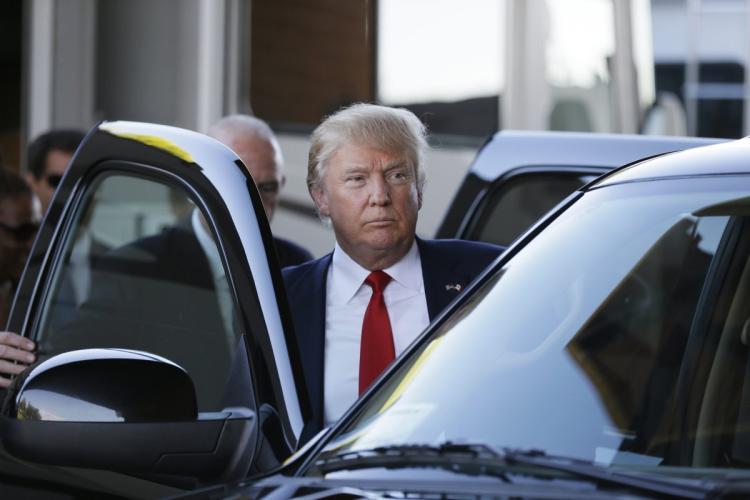
The United States is closely monitoring the ongoing events in Iran and occasionally responds harshly to them. Washington’s position indicates that its plans regarding Iran go beyond diplomacy and involve deeper political strategies.
Axar.az reports that this remarks were made by political analyst Oktay Qasımov while discussing US-Iran tensions and possible scenarios.
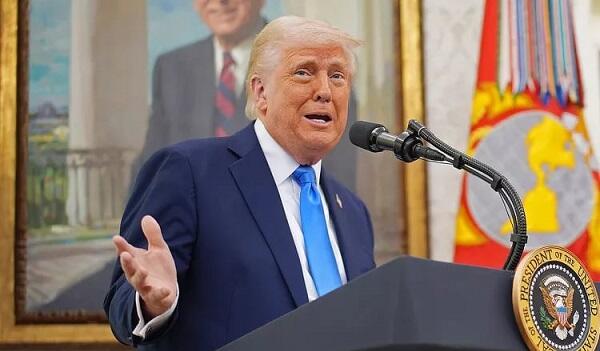
According to Qasımov, US President Donald Trump’s tough statements on Iran are not unprecedented, and this stance is openly supported by American senators, congressmen, and other officials:
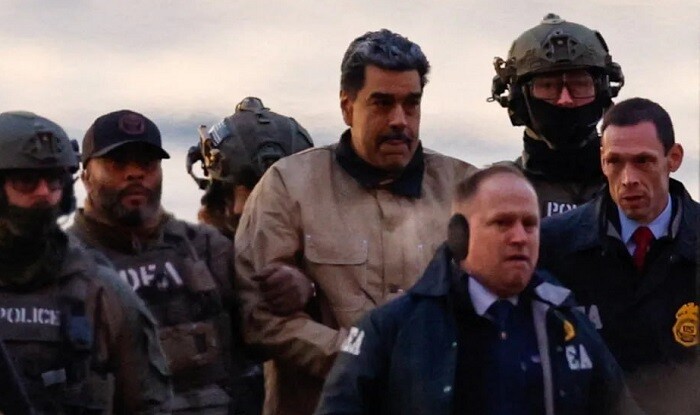
“They are providing political support to the protests in Iran, which indicates that Washington has plans related to regime change. After focusing on changes in Venezuela, the US is now concentrating on Iran and trying to achieve this process through internal protests rather than direct military action.
If the US leadership sees that the protests are violently suppressed by the Iranian authorities and that the death toll rises, this could give Trump a pretext to decide on military intervention. The red line here is defined by the scale of violence and human casualties.
The events in Iran are not accidental and result both from internal causes and from the influence of the US and Israel in some form. They can also be viewed as a result of the political struggle within Iran’s clerical regime.”
Qasımov noted that in Iran, the conservative and hardline factions control both political power and the majority of the economy, and are not interested in reforms or a softer, more democratic system. Therefore, these forces can take steps to suppress or manipulate protests from time to time.
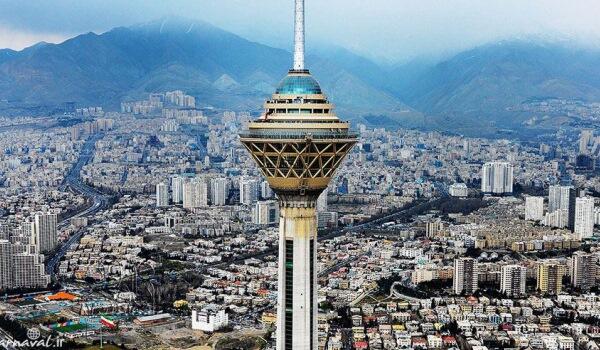
“The current protests differ significantly from previous ones. Now, not only certain social groups but also businesspeople, the middle class, and markets in major cities like Tehran and Tabriz are involved. These groups have significant influence over the economy and society.
If the US is unable to direct the process through internal potential and protests continue, it is not impossible for Washington to consider military intervention. In this sense, the situation in Iran remains highly tense,” he added.


|
Date
2026.01.10 / 17:38
|
Author
Axar.az
|