

US to maintain Iran blockade until nuclear deal, Trump says
29 April 23:53
| Home page Politics |

|

Under an intervention scenario, the main targets would likely be Iran’s military infrastructure — security forces such as the IRGC and Basij that suppress protesters, as well as military leadership.
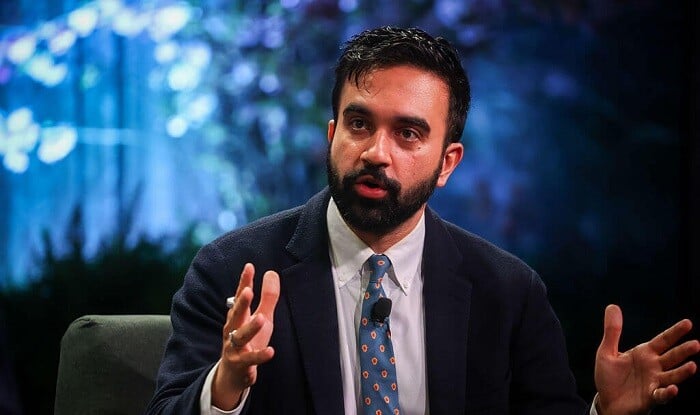
Axar.az, reports that the political analyst Asif Narimanli stated this.
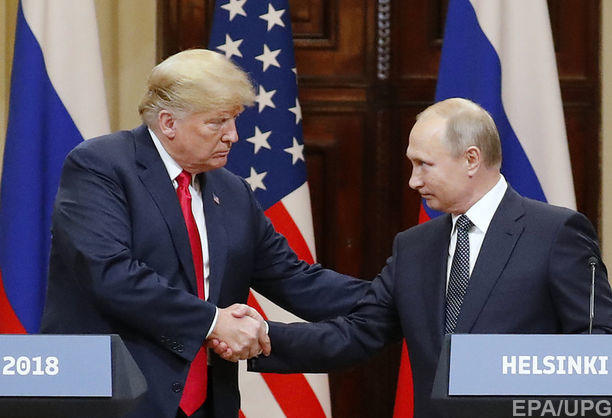
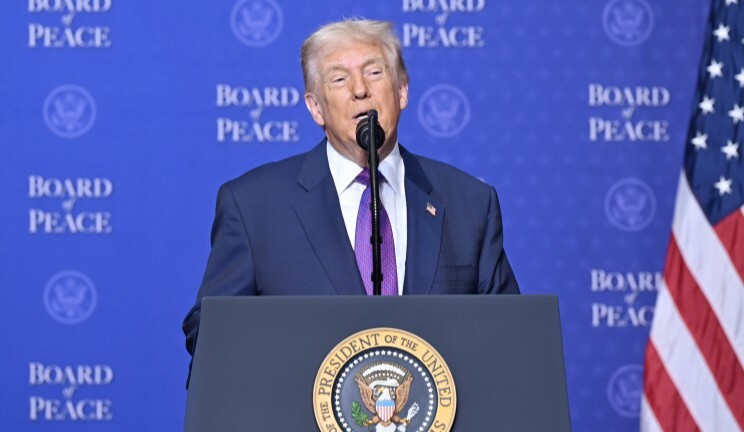
By calling on the Iranian people to rise up with the message “take control of your institutions, help is on the way,” US President Donald Trump effectively signaled an intervention, making expectations of strikes in the coming days or even hours increasingly relevant.
The possibility of intervention (which, alongside a military attack, may include cyberattacks and steps aimed at putting the regime under pressure through protests or deterring it from violence) raises key questions about how events may unfold:
- Will an attack lead to the overthrow of the regime?
- What options does the United States have in its Iran plan?
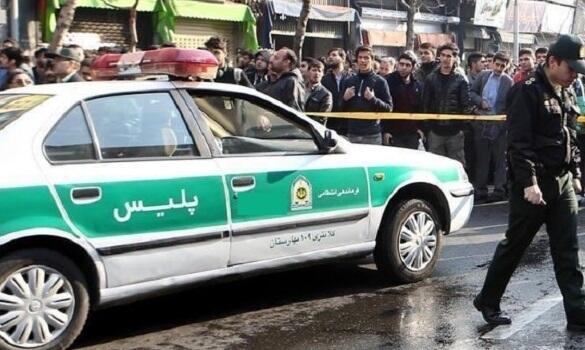
Under an intervention scenario, the main targets would likely be Iran’s military infrastructure — security forces such as the IRGC and Basij that suppress protesters, as well as military leadership. These targets would be hit through air strikes. However, it is difficult to say whether this would result in the collapse of the regime.
The overthrow of the regime is possible only through a ground intervention, which is not currently on the agenda: the aim is not occupation, but regime change through hybrid warfare tactics; under a ground-intervention scenario, fighting regime forces deep inside Iran would be extremely difficult. Protesters seize state institutions using classic “color revolution” tactics, while the United States prevents regime-affiliated security forces from intervening through air strikes. Trump’s call for protesters to “take control of your institutions” suggests that Washington is considering this option.
However, Iran differs significantly from countries in the region that experienced the “Arab Spring.” Although power in Iran is centered on a single figure — the Supreme Leader — the system does not operate on a “single-man” logic, and it is difficult to say that removing the figure at the top would lead to the regime’s surrender. The regime’s pillars — the IRGC, Basij, and other armed groups and institutions — act as a unified front.
From this perspective, it will not be easy for protesters to seize state institutions and they will face a violent response from the armed regime. Still, it does not appear impossible: if the scale of protests and the number of participants exceed the potential capacity of Khamenei’s forces, the regime may lose control. At this point, a US attack would be decisive. Strikes against security forces and military leadership could reduce the regime’s capacity, divert its attention, fracture the “unified front,” and ultimately open the way for protesters to take control of power. In this scenario, the question of leadership — who would coordinate the process — remains unresolved.
Against this backdrop, US plans for Iran’s future also appear unclear. Does Washington want the regime to fall?
Officially, contacts between Iran and the United States have been confirmed. Trump, in his call for uprising, stated that he had “cancelled all meetings with Iranian officials and that no talks will take place as long as the killing of protesters continues.”
This creates certain assumptions about the US plan regarding Iran: Tehran meets protesters’ demands, takes steps within a democratic framework, and accepts all requirements related to its nuclear program — in return, the regime remains in place.
It is not unlikely that this is Plan A in Washington; otherwise, conditions for continuing contacts with Iran would not have been set. Plan B — the overthrow of the regime and the establishment of a new government and system — also exists, but it is clearly a long-term and bloody process.
The choice between Plans A and B — which one will work — depends on the decision of the Iranian regime. However, one initial result of the protests can already be noted: even if the current system survives, it appears impossible for Iran to return to its previous state, restore absolute authority, or regain its former strength.


|
Date
2026.01.14 / 18:30
|
Author
Yusif Güney
|