



Pezeshkian arrives in Armenia for COP17
11:36
| Home page Science |

|
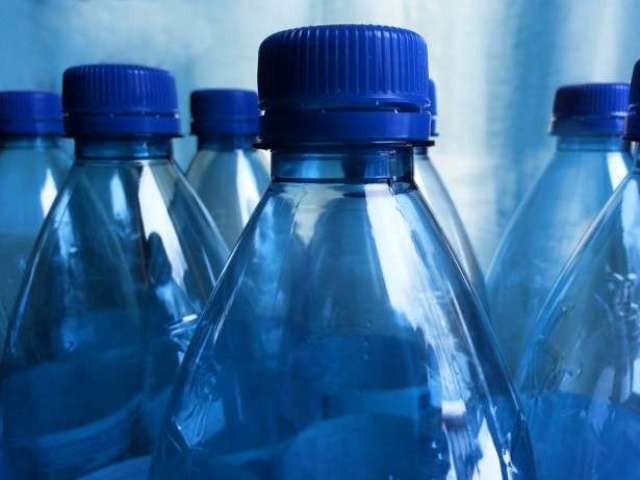
A team of Japanese scientists has found a species of bacteria that eats the type of plastic found in most disposable water bottles.
The discovery could lead to new methods to manage the more than 50 million tons of this particular type of plastic produced globally each year.
The plastic found in water bottles is known as polyethylene terephalate, or PET. It is also found in polyester clothing, frozen-dinner trays and blister packaging.
Part of the appeal of PET is that it is lightweight, colorless and strong. However, it has also been notoriously resistant to being broken down by microbes-what experts call "biodegradation."
Previous studies had found a few species of fungi can grow on PET, but until now, no one had found any microbes that can eat it.
To find the plastic-eating bacterium described in the study, the Japanese research team from Kyoto Institute of Technology and Keio University collected 250 PET-contaminated samples including sediment, soil and wastewater from a plastic bottle recycling site.
Next they screened the microbes living on the samples to see whether any of them were eating the PET and using it to grow. They originally found a consortium of bugs that appeared to break down a PET film, but they eventually discovered that just one of bacteria species was responsible for the PET degradation. They named it Ideonella sakainesis.
Further tests in the lab revealed that it used two enzymes to break down the PET. After adhering to the PET surface, the bacteria secrets one enzyme onto the PET to generate an intermediate chemical. That chemical is then taken up by the cell, where another enzyme breaks it down even further, providing the bacteria with carbon and energy to grow.
The researchers report that a community of Ideonella sakaiensis working this way could break down a thin film of PET over the course of six weeks if the temperature were held at a steady 86 degrees Fahrenheit.


|
Date
2016.03.11 / 21:44
|
Author
Axar.az
|