
Pakistan rejects Iranian military aircraft report
10:26
| Home page World |

|
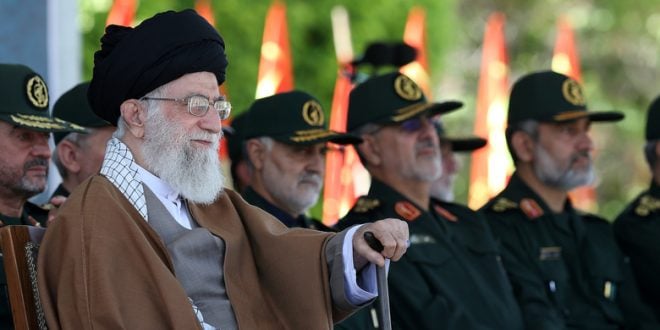
Iran is experiencing one of the bloodiest crackdowns in its history as security forces loyal to Supreme Leader Ali Khamenei have violently suppressed nationwide protests, killing thousands and arresting many more.
Axar.az, citing The Economic Times, reports that the regime, facing deep economic crisis, rising poverty, and regional humiliation after military setbacks since 2023, appears increasingly desperate and bereft of legitimacy.
Small concessions, such as token financial stipends, have failed to calm public anger.
Despite the brutality, protests alone may not bring down the regime. Possible outcomes range from continued repression to state collapse and chaos, with risks of separatist violence, civil war, and nuclear insecurity.
Fear of these scenarios has so far kept some Iranians from fully joining the uprising.
Intermediate scenarios include internal fragmentation, such as a coup by the Revolutionary Guards or a power grab by factions seeking legitimacy through negotiations with the United States. These could involve deals limiting Iran’s nuclear and missile programs in exchange for sanctions relief.
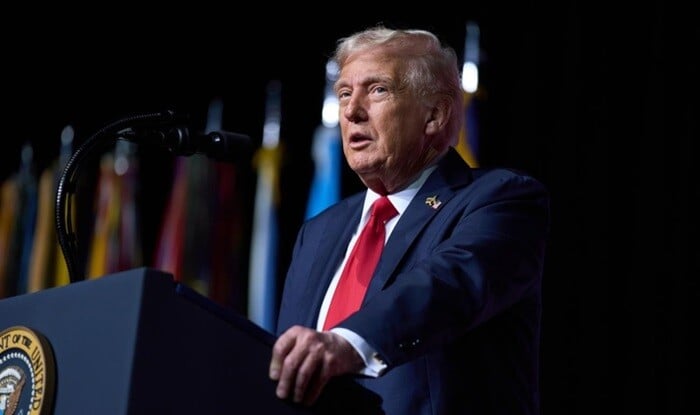
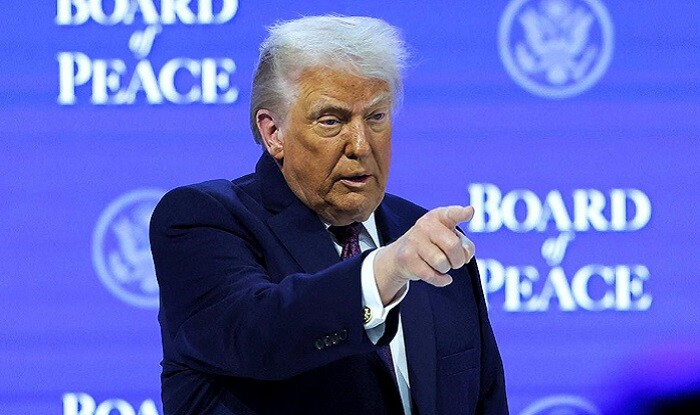
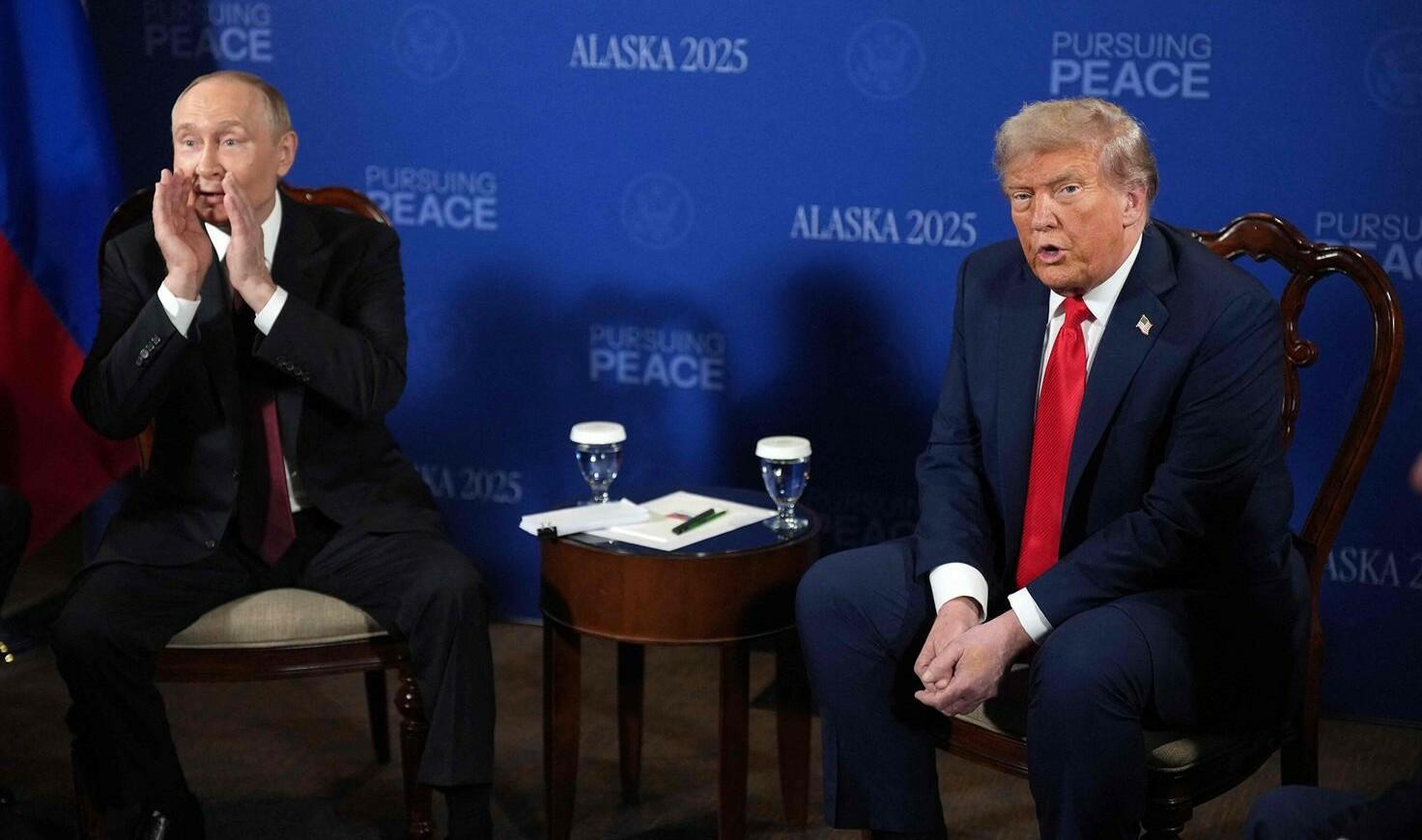
The United States, under President Donald Trump, has weighed options from limited military strikes and leadership decapitation to non-military actions like restoring internet access and backing exiled opposition figures such as Reza Pahlavi. However, any American intervention carries serious risks, including regional escalation and long-term instability. The collapse of Iran’s regime, if it comes, is unlikely to be smooth and could reshape the Middle East in unpredictable ways, even as it offers hope for Iran’s long-suffering population.
To read the full article, click on the link.


|
Date
2026.01.16 / 10:53
|
Author
Axar.az
|