








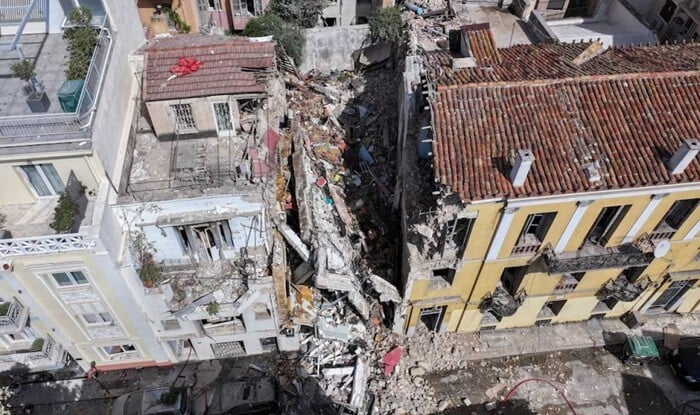
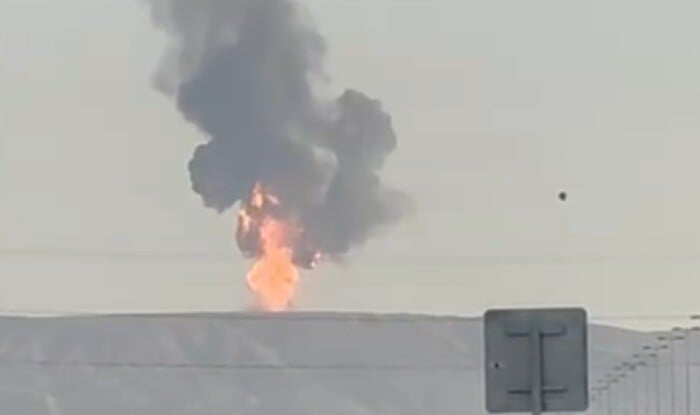
6 killed in powerful explosion in Athens
17:54
| Home page World |

|
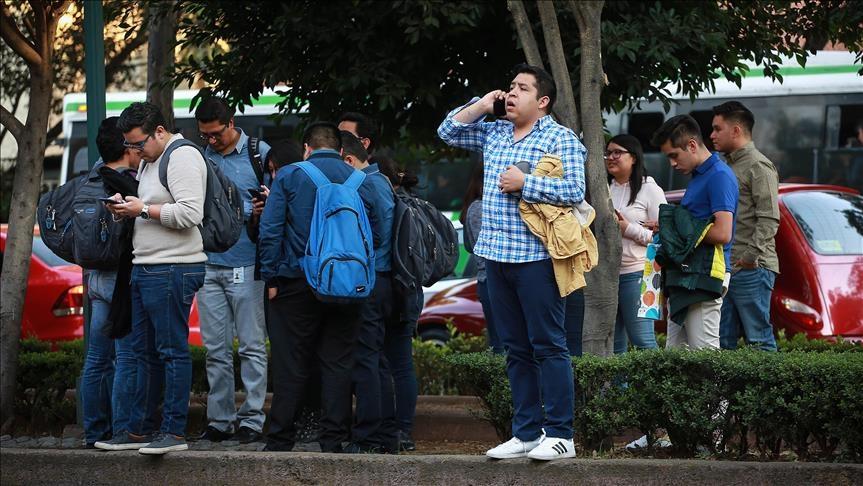
Disappearances in Mexico have surged more than 200% over the past decade, with over 130,000 people officially registered as missing or disappeared. The crisis is closely linked to the territorial expansion and diversification of activities by drug cartels and organized criminal groups, The Guardian reported.
Axar.az reports that a new report by policy analysis firm México Evalúa says disappearances have become a national emergency, reflecting escalating violence and the growing control of criminal groups over large parts of the country. Beyond drug trafficking, cartels are increasingly involved in forced recruitment, human trafficking, migrant smuggling, and other crimes that often involve abduction.
Experts say criminal groups frequently dispose of bodies in clandestine graves, burn remains, or dissolve them to avoid detection, effectively “invisibilizing” violence.
The crisis has been compounded by institutional weakness. In 2018, the government created the National Search Commission to track missing persons. However, it has been underfunded and politically controversial. Ahead of the 2024 elections, then-President Andrés Manuel López Obrador ordered a review of the missing persons registry, dramatically reducing the official count — a move that sparked outrage.
Current President Claudia Sheinbaum has questioned the accuracy of the previous platform and pledged updated data.
Meanwhile, impunity remains widespread. According to the United Nations, over 96% of crimes in Mexico go unsolved. With limited state response, families — especially mothers — have formed search collectives, conducting their own investigations and exhumations in hopes of finding their loved ones.


|
Date
2026.02.18 / 16:24
|
Author
Axar.az
|



















.jpg)