

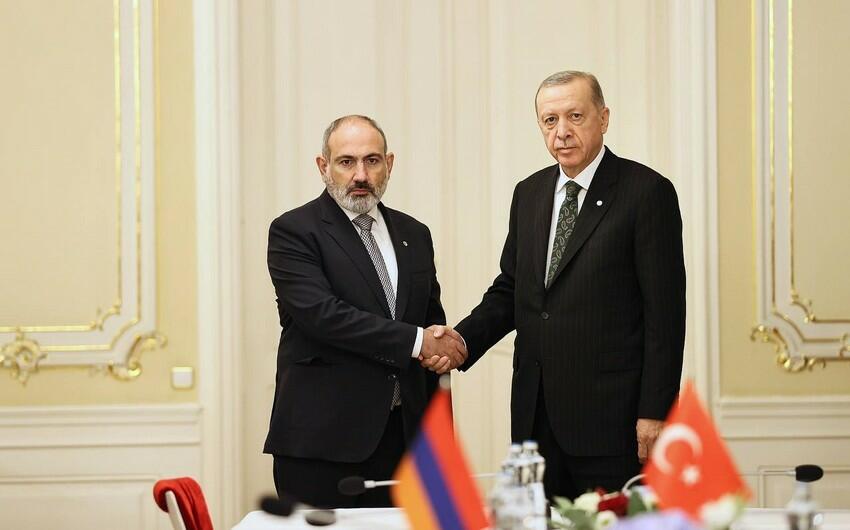
Erdogan, Pashinyan discuss Turkiye–Armenia normalization
00:40
| Home page World |

|
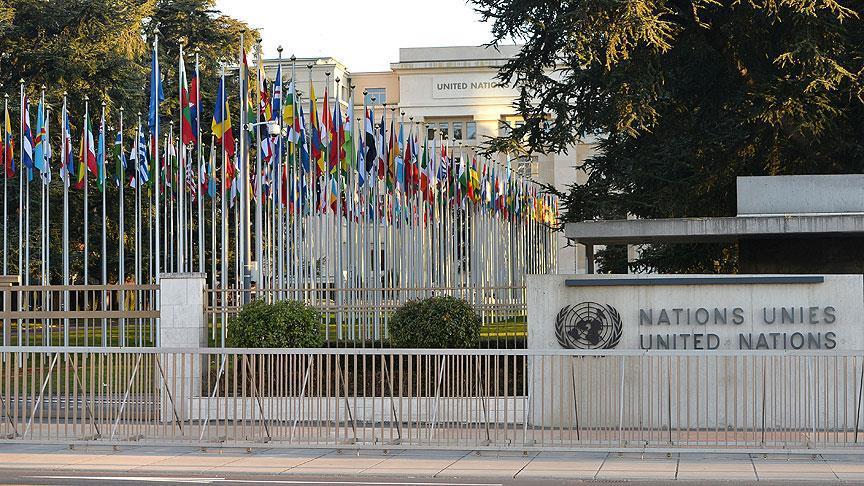
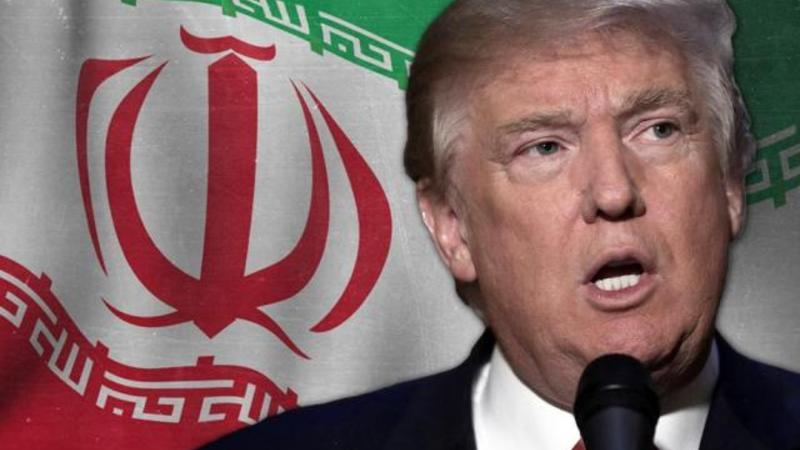
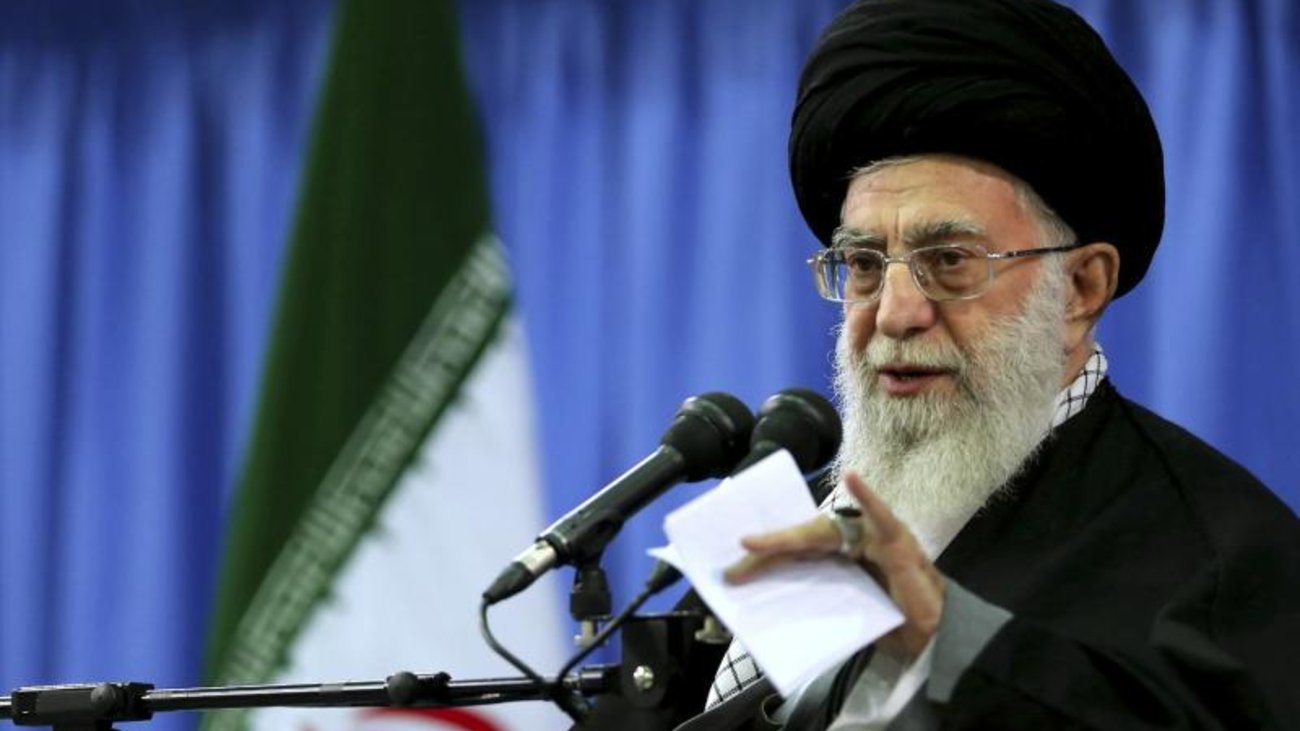
Iran said it would demonstrate flexibility in indirect negotiations with the United States over their long-running nuclear dispute, as Tehran faces mounting pressure to secure an agreement or risk possible U.S. military action.
Axar.az, citing Reuters, reports that the third round of discussions, which opened Thursday morning in Geneva, is centered on Iran’s nuclear activities and is taking place amid a substantial American military buildup in the Middle East ordered by President Donald Trump.
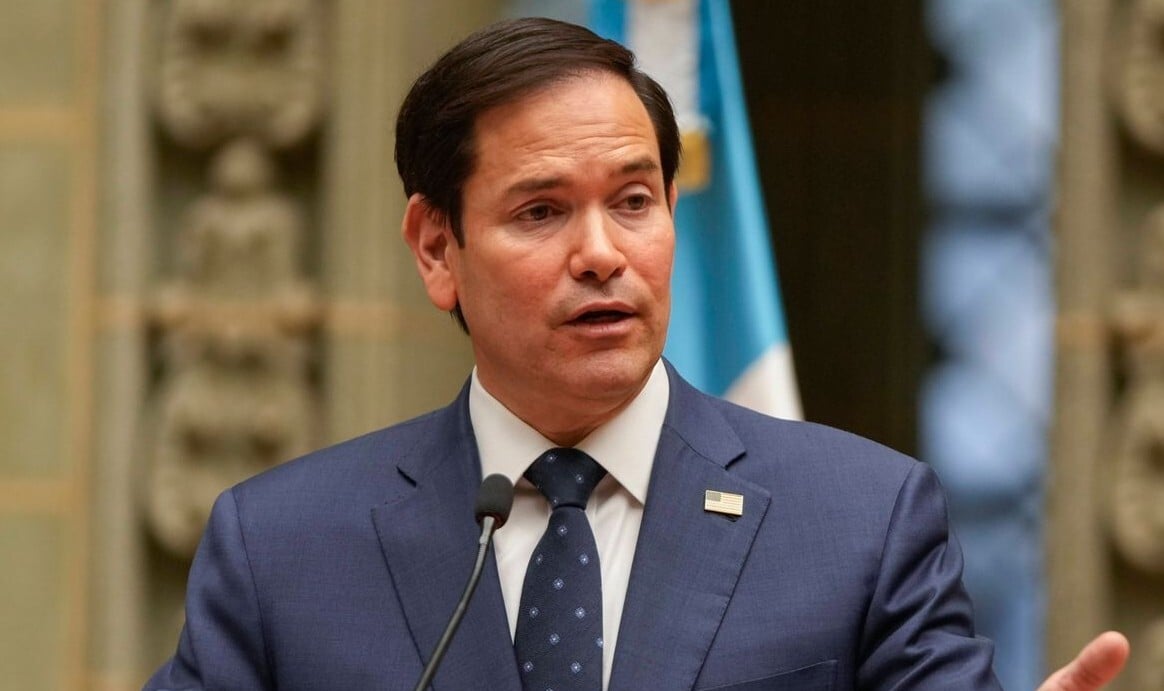
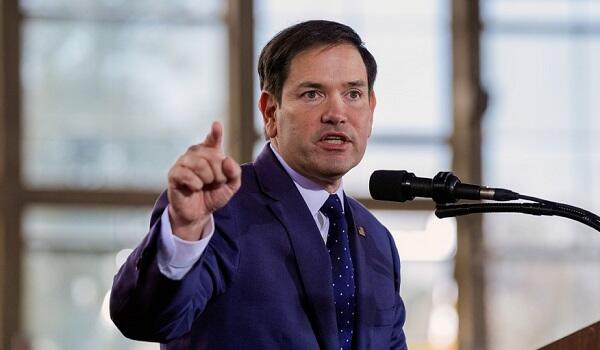
U.S. Secretary of State Marco Rubio stated that Iran’s unwillingness to address its ballistic missile program represents a “major problem” that will ultimately need to be resolved:
"If you can't even make progress on the nuclear program, it's going to be hard to make progress on the ballistic missiles as well," Rubio told reporters in Saint Kitts.
Iranian Foreign Ministry spokesperson Esmaeil Baghaei told Press TV that the talks would concentrate exclusively on nuclear matters and sanctions relief, stressing that Tehran is approaching the negotiations with “seriousness and flexibility.”
The renewed diplomatic push aims to end a decades-old deadlock over Iran’s nuclear program, which Washington, several Western governments, and Israel suspect is intended for weapons development, a charge Iran firmly rejects. The extensive U.S. troop and asset deployment, the largest in the region since the 2003 Iraq invasion, has intensified concerns about broader conflict. Last June, the United States joined Israel in striking Iranian nuclear facilities, prompting Tehran to warn it would respond forcefully to any future attacks.
The USS Gerald R. Ford, the largest aircraft carrier in the U.S. Navy, departed a port near the Greek island of Crete on Thursday and is heading toward waters off Haifa in northern Israel, where it is expected to arrive on Friday. In addition, the United States has deployed roughly a dozen F-22 fighter jets to Israel — marking the first time Washington has positioned combat aircraft there for possible wartime missions, according to a U.S. official.
The Trump administration has not formally announced the deployment. The Pentagon declined to comment.


|
Date
2026.02.26 / 13:55
|
Author
Axar.az
|