


US in talks to expand nuclear weapons deployments in Europe
09:54
| Home page World |

|
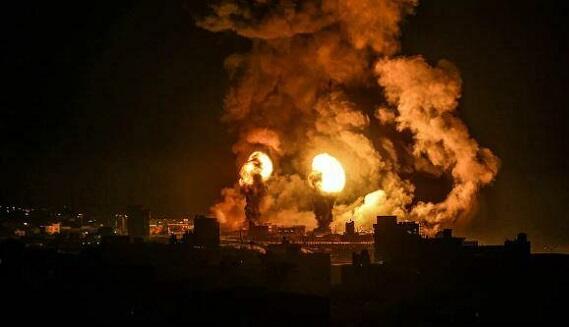
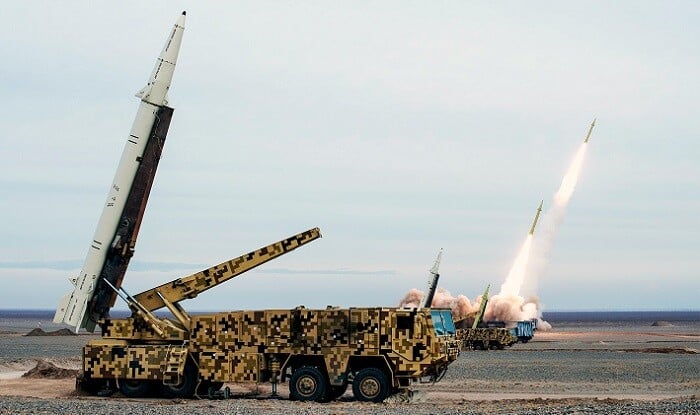
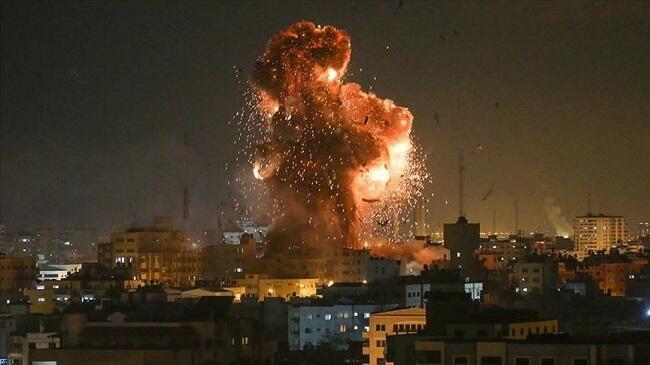
In the first week of the Iran conflict, more than a dozen countries have already been drawn in, with others on the verge of involvement, raising fears of a broader regional escalation.
Axar.az reports, citing Axios, analysts warn that if major powers like China or Russia intervene more actively, the crisis could spiral into a direct U.S.–Russia confrontation by proxy or trigger a global energy crisis forcing China to act.
China condemned U.S. strikes as a violation of international law, called for de-escalation at the UN Security Council, and evacuated over 3,000 citizens from Iran, emphasizing safe passage through the strategic Strait of Hormuz, which supplies 80% of its Iranian oil.
Russia described U.S. actions as unprovoked aggression and has reportedly provided Iran with intelligence for targeting U.S. forces, while planning to increase oil exports to India and China as regional instability pushes prices higher.
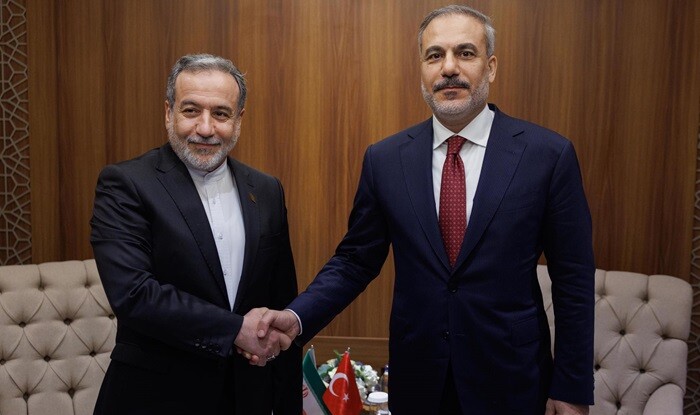
Turkiye has refused to allow its airspace to be used against Iran, deploying F-16s to Northern Cyprus after intercepting Iranian missiles and condemning attacks on Azerbaijan.
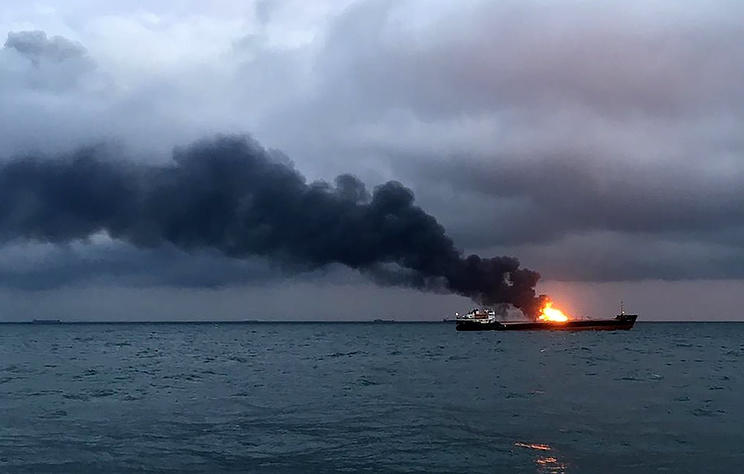
The Iran-backed Houthis in Yemen have not yet joined the conflict but may open a new front threatening Red Sea shipping.
Ukraine is collaborating with the U.S. and Gulf countries on drone defense, applying lessons from countering Iranian Shahed drones in its war with Russia.
Meanwhile, the U.S. State Department has urged Americans to leave Egypt and Syria, citing economic shocks in Egypt and the unpredictable security environment in Syria.
South Korea and North Korea are also affected: the U.S. and South Korea are considering redeploying Patriot missile systems to the conflict zone, while North Korea faces uncertainty about its historical alliance with Iran.
The growing internationalization of the Iran conflict, with global energy, military, and diplomatic stakes intensifying as the war threatens to expand beyond the region.


|
Date
2026.03.09 / 23:33
|
Author
Axar.az
|