







Three drones target Iranian opposition camp in Erbil
11:13
| Home page Health |

|

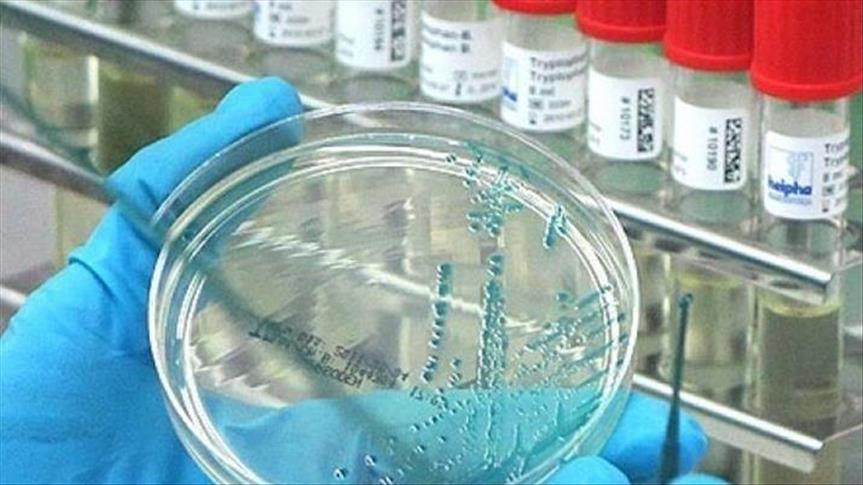
Inside your gastrointestinal (GI) tract are trillions of micro-organisms, including bacteria, fungi and viruses.
Axar.az reports citing BBC.
You have roughly the same number of micro-organisms in there, mostly in the large intestine, as you do human cells in your entire body. But only 10% to 20% of the bacteria you have in your gut will be shared with anyone else.
These microbiomes differ hugely from person to person, depending on diet, lifestyle and other factors, and they influence everything from our health to our appetites, weight and moods. But despite being one of the most-researched parts of the body, there's still a long way to go to fully understanding our guts. BBC Future reviewed the findings of some of the science so far.
Diet
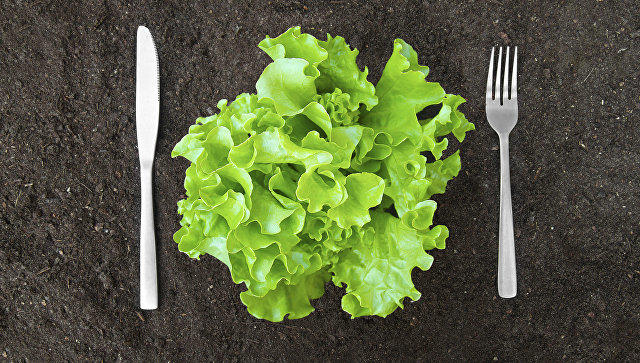
Our diets have a huge influence the gut microbiome. Research has found links between Western diet, typically high in animal fat and protein and low in fibre, with increased production of cancer-causing compounds and inflammation. The Mediterranean diet, on the other hand, which is typically high in fibre and low in red meat, has been likened to increased levels of faecal short-chain fatty acids, which have been found to have anti-inflammatory effects and improve the immune system.
Scientists hope that population-wide research will advance existing findings. One such project, the ongoing American Gut Study, is collecting and comparing the gut microbiomes of thousands of people living in the US. So far, research suggest those whose diets include more plant-based foods have a more diverse microbiome, and one that is "extremely different" from those who don't, says Daniel McDonald, the project's scientific director.


|
Date
2019.01.22 / 23:38
|
Author
Axar.az
|






.jpg)