

Azerbaijan marks 6 years since Khudafarin Bridge liberation
09:12
| Home page Politics |

|
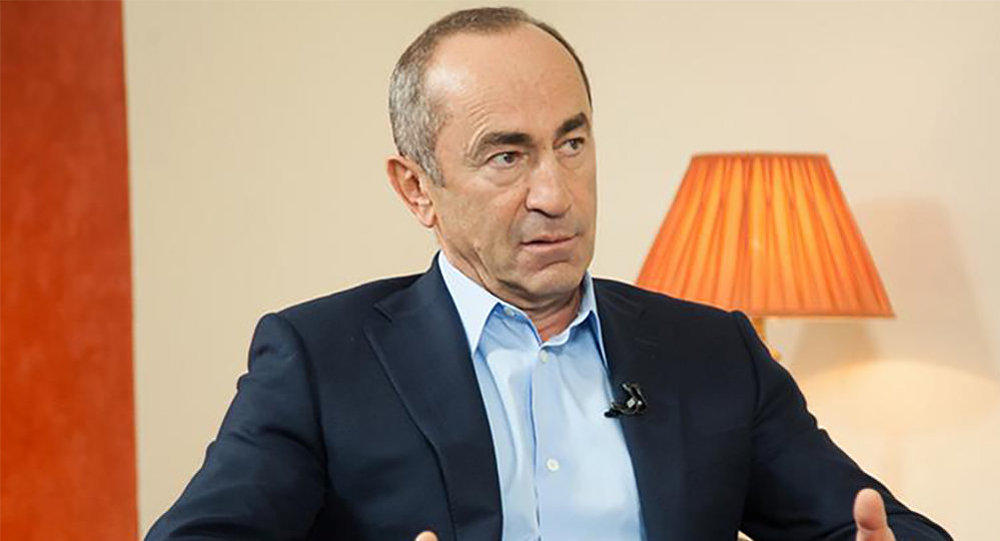
The parliamentary elections scheduled for June 7 in Armenia will determine not only the country’s internal political direction but also the broader trajectory of regional developments. On one side is Nikol Pashinyan, while on the other are the revanchist forces led by Robert Kocharyan and Samvel Karapetyan, who are competing for political influence. Based on their election programs, these groups can be conditionally described as the “pro-peace” and “anti-peace” camps. Which of these camps is more advantageous, and how might events develop depending on who wins?
Pashinyan’s continued leadership of Armenia after June 7 is seen as aligning with Azerbaijan’s interests in the context of regional peace.
- The peace agenda is expected to continue;
- After the election, a referendum on adopting a new constitution is expected, which could open the way to abandoning the current constitution that contains territorial claims against Azerbaijan;
- Once Baku’s demand to change the constitution is fulfilled, a final peace agreement is expected to be signed;
- Within the framework of opening regional communications, the Zangezur corridor is expected to become operational;
- Even the peaceful return of Western Azerbaijanis to their ancestral lands — including Goycha, Zangezur and other areas — is seen as a realistic possibility.
The realization of these expectations and the completion of the peace process are also considered important for preserving Armenia’s statehood and reducing the risk of state collapse, as it was created around 100 years ago on lands belonging to Azerbaijan. Pashinyan insists on peace because he understands this.
What happens if the revanchists win on June 7?
Although the “anti-peace camp” represented by Kocharyan and Karapetyan builds its election program around the so-called revival of “Artsakh,” in the context of the complete closure of the Karabakh issue, there appears to be little real possibility of pursuing territorial claims against Azerbaijan. The Karabakh narrative may remain in rhetoric and be used as leverage in regional geopolitical competition. However, even keeping the Karabakh issue alive in rhetoric, including within the revanchist program, would undermine the peace process. Their promises to sign a “fair peace agreement” with Azerbaijan if they come to power also suggest the risk of renewed escalation. It is clear that their idea of a “fair agreement” would mean the collapse of the gradually built peace framework between Baku and Yerevan.
- Introducing new conditions into the peace agenda would slow down the process;
- They would refuse to change the current constitution or adopt a new one, which is a key obstacle to signing a final peace agreement;
- They would stop the border delimitation process, prevent the opening of the Zangezur corridor, and at best reject agreement on unrestricted access to Nakhchivan, which would push communication normalization into the background.
This situation would not only derail the peace process between Baku and Yerevan but also increase the risk of new escalation in the region. It is also clear that any potential escalation would most likely occur along the border areas.
Against this backdrop, a defeat for Pashinyan and a revanchist victory on June 7 would be seen as a risk for Azerbaijan. However, the possibility that a revanchist win could also create new opportunities for Azerbaijan should not be ruled out.
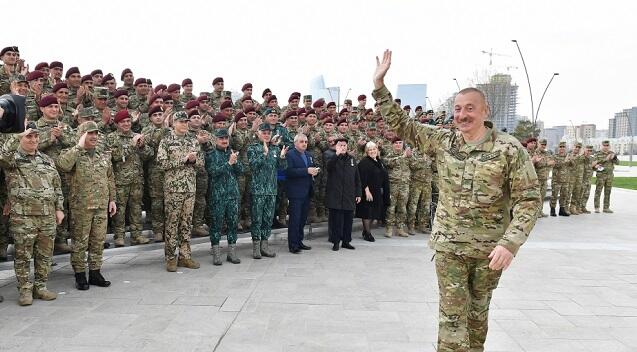
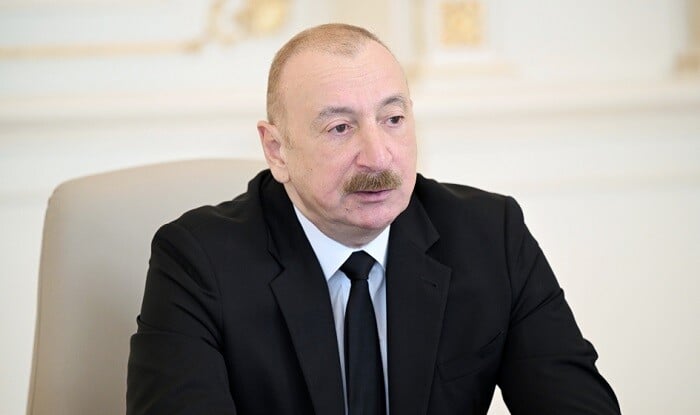
It is also possible that official Baku is prepared for a scenario in which Pashinyan is “pushed out of power” in Armenia’s elections. The messages delivered by Ilham Aliyev in Zangilan were not coincidental in this context:
- “As long as there are political forces in Armenian society that are driven by hostility toward Azerbaijan, we must remain vigilant.”
- “There are quite a number of circles in Armenia’s political landscape that are fueled by hatred toward the Azerbaijani people and state, and if they come to power, it will be the Armenian people who face serious problems.”
The president’s remarks, while addressed to Armenian society, also suggest that Azerbaijan’s leadership is prepared for different possible scenarios. Aliyev’s statements reflected these potential developments, warning that if the revanchists win the election, it will ultimately be the Armenian people who face the consequences.
First, if revanchists take power in Armenia, its list of partners would see the United States and the European Union replaced by Russia—still struggling to emerge from the Ukraine quagmire—and Iran, which has been weakened in the recent war. For Washington, any uncertainty over the Zangezur corridor—where it has already invested political capital—and over the broader peace process would be undesirable. Brussels, meanwhile, would not accept the emergence of risks to its regional policy implemented through Yerevan.
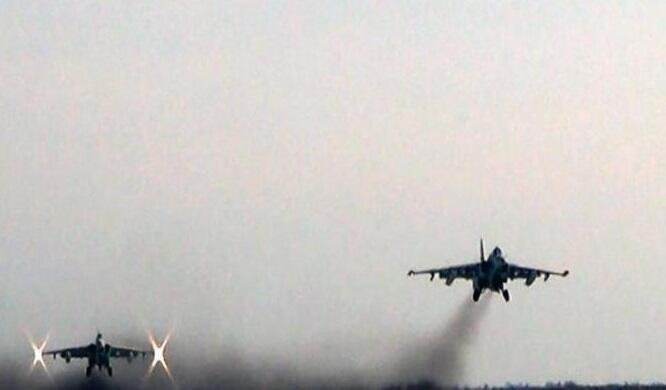
Second, the collapse of the “peace pyramid” would not only push Armenia back into the position of a “dead-end country,” but would also bring new escalation risks to the forefront. In response to clearly emerging threats from revanchist forces, Azerbaijan’s use of force could become inevitable. It is even suggested that the 2020 war for the liberation of Azerbaijani territories could, this time, turn into a “war for peace.”
The “war for peace” scenario could give Azerbaijan the opportunity to achieve militarily what it seeks at the diplomatic table.
1. The Zangezur corridor — Armenia’s obligation to provide unimpeded access to Nakhchivan is enforced through force;
2. Control over the eastern part of Lake Goycha is practically realized: the superior geographic position of the Azerbaijani Armed Forces in the Bala Goycha area suggests the target is highly achievable;
3. Developments could also create prospects for restoring justice in the historical territories that were granted to Armenians in the early 20th century, including the possibility of securing control over southern Armenia.
In this scenario, the expectation is greater that the United States and the European Union would stand on Azerbaijan’s side as a force ensuring peace.
And it appears that a victory by Kocharyan or Karapetyan—the revanchists—in the June 7 elections would be less of an undesirable scenario for Azerbaijan and more one that opens up new opportunities. It could even be described as a uniquely favorable scenario.


|
Date
2026.05.15 / 14:00
|
Author
Asif Narimanli
|