


Azerbaijani karate athletes win 9 medals in Romania
13:17
| Home page World |

|
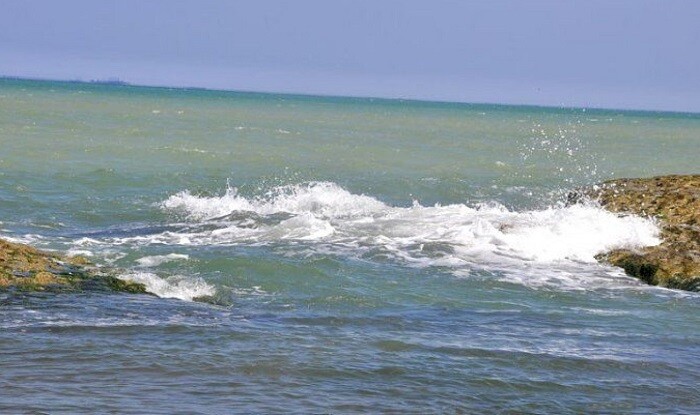
The Caspian Sea level continues to fall.
Axar.az reports that in April 2026, the “New Delta 2026” comprehensive marine scientific expedition was carried out in the Caspian Sea with the participation of the Shirshov Institute of Oceanology and the Astrakhan Biosphere Reserve.
The research was conducted aboard vessels of the Hydrographic Service of the Caspian Flotilla in the Volga-Caspian Shipping Canal and the northern part of the Caspian Sea.
During the expedition, scientists gathered updated data on changes along the coastline. Both existing and newly formed islands showed shoreline growth. For example, the area of Chistaya Banka Island has doubled since 2019 due to the falling sea level and the shallowing of surrounding waters on its eastern, western and southern sides. The island formed on the site of the Tbilisi Bank also expanded rapidly, tripling in size compared to last year.
Researchers in the Northern Caspian measured water current speed and direction and studied the seabed using side-scan sonars and a multibeam echo sounder. The data showed that water masses move back and forth along a southwest–northeast axis, mainly due to the redistribution of river waters flowing into the northern part of the sea and seasonal spring weather conditions.
Samples were also collected during the expedition to analyze hydrochemical indicators, including suspended matter and nutrients.
The findings confirmed the ongoing decline in the Caspian Sea level. “One thing is clear for now — the sea level continues to fall,” said expedition leader Ivan Ermakov, a junior researcher at the Caspian branch of the Institute of Oceanology.


|
Date
2026.05.14 / 12:26
|
Author
Axar.az
|