





Trump calls flying Tesla Roadster ‘very impressive’
01:13
| Home page Politics |

|
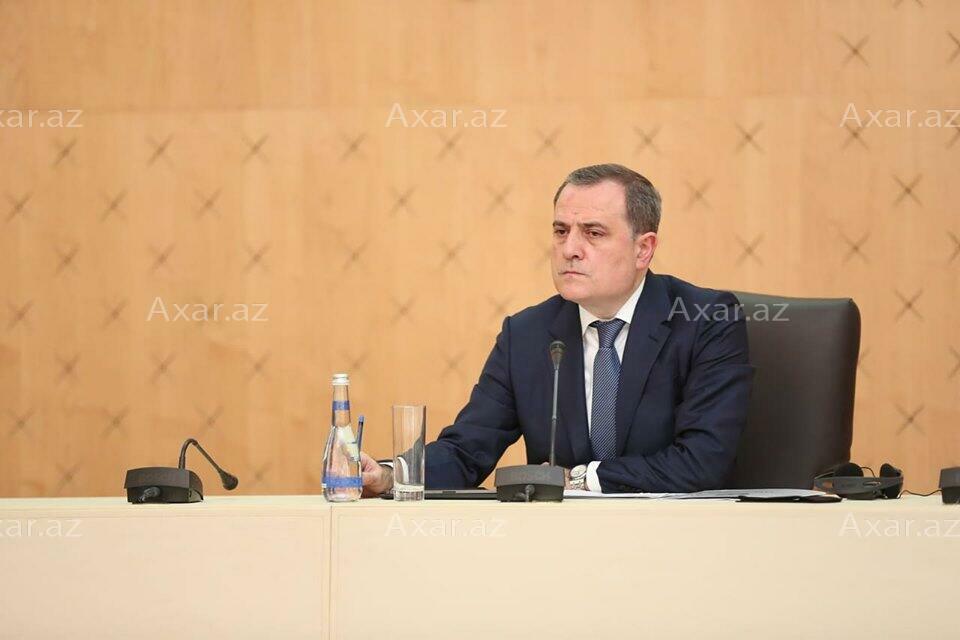
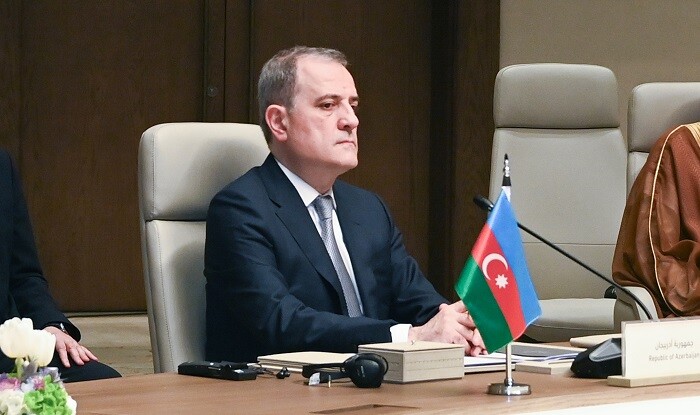
On June 5, Azerbaijan’s Minister of Foreign Affairs Jeyhun Bayramov met with Executive Director of the United Nations Environment Programme (UNEP) Inger Andersen.
Axar.az reports that during the meeting, the sides exchanged views on the Azerbaijan–UNEP cooperation agenda, environmental protection, combating climate change, biodiversity conservation and sustainable development.
Minister Jeyhun Bayramov provided information on Azerbaijan’s contributions to global climate action, the outcomes achieved within the framework of COP29 hosted by the country, as well as initiatives implemented in the fields of green energy transition and environmental protection.
UNEP Executive Director Inger Andersen highly appreciated Azerbaijan’s contributions to advancing the climate agenda, promoting international cooperation and supporting multilateral efforts in the field of environmental protection.
The sides discussed opportunities for cooperation in promoting the COP29 legacy, climate finance, sustainable cities, waste management, water resource protection and biodiversity. The importance of expanding joint projects and practical cooperation between UNEP and Azerbaijan was emphasized.
During the meeting, the significance of Azerbaijan hosting World Environment Day in 2026 was also noted, and issues of mutual cooperation within this framework were reviewed.
Minister Jeyhun Bayramov provided information on the severe environmental damage inflicted on Azerbaijan’s territories during the occupation period, including large-scale deforestation, illegal exploitation of natural resources, pollution of water resources and disruption of ecological balance. In addition, attention was drawn to the obstacles posed by the mine threat to human safety, the environment and reconstruction efforts.
Expressing concern over the declining level of the Caspian Sea, Minister Jeyhun Bayramov highlighted the negative impact of this process on the region’s ecosystem, biodiversity, coastal areas and economic activity. He emphasized the importance of strengthening regional and international cooperation, applying science-based approaches and making joint efforts to address the issue. The benefits of UNEP’s report titled “Caspian Sea Level Fluctuations and Climate Change” were also noted.
The sides also exchanged views on other regional and international issues of mutual interest.


|
Date
2026.06.05 / 21:31
|
Author
Axar.az
|