

Russian oil companies ready to supply diesel fuel to US
22:31
| Home page Science |

|
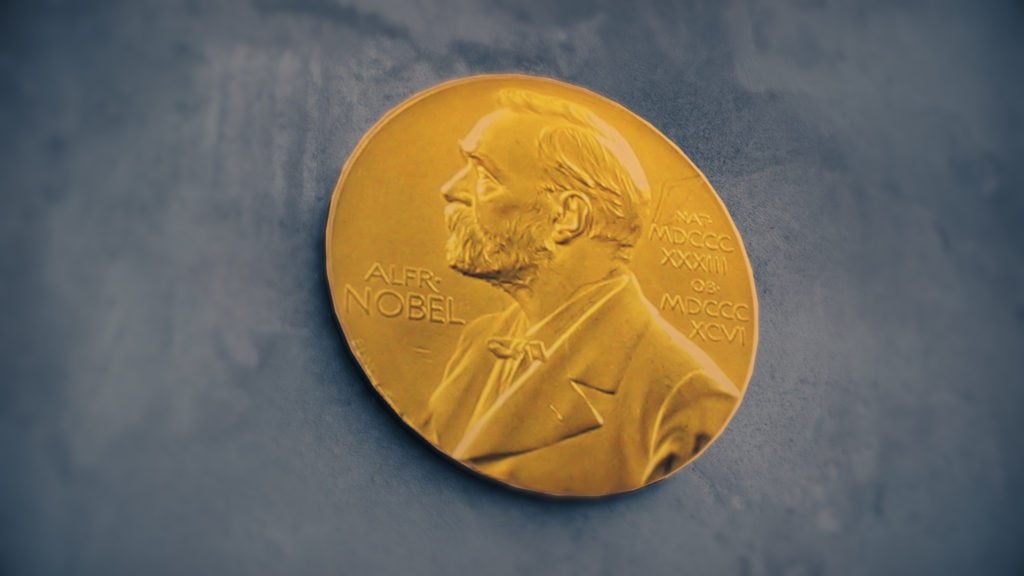
The 2017 Nobel Prize in Physiology or Medicine was awarded on Monday morning to Jeffrey Hall, Michael Rosbash, and Michael Young for their discoveries of circadian rhythms.
Axar.az reports that the scientists “were able to peek inside our biological clock and elucidate its inner workings,” said Thomas Perlmann, Secretary of the Nobel Committee for Physiology or Medicine, who announced the prize in Stockholm. “Their discoveries explain how plants, animals, and humans adapt their biological rhythm so that it is synchronized with the Earth’s revolutions.”
Hall, of Brandeis University; Rosbash, also of Brandeis; and Young, of Rockefeller University, will share a prize of 9 million Swedish krona, or about $940,000.
When Perlman called Rosbash, the newly-minted laureate was initially silent, and then said, “You are kidding me.”
As far back as the 1970s, scientists asked whether it would be possible to identify genes that control the daily rhythm of metabolism, sleeping and waking, and other basic processes in fruit flies. They found that mutations in an unknown gene disrupted flies’ circadian clock and named the gene “period,” or per.
In the 1980s Hall and Rosbash, working at Brandeis, and, separately, Young at Rockefeller isolated the circadian rhythm genes. Hall and Rosbash then discovered that levels of the protein the gene makes, dubbed PER, build up during the night and drop during the day, oscillating over a 24-hour cycle. The gene Young found in 1994, called timeless, makes a protein named TIM that was also required for a normal circadian rhythm.
The “paradigm-shifting discoveries,” as the Nobel citation called them, were that the proteins enter the cell nucleus, where its genes reside, and turn off the DNA that had been busy making them: the build-up of the protein caused the production of the protein to shut down, in one of nature’s more elegant negative feedback loops.


|
Date
2017.10.02 / 15:15
|
Author
Axar.az
|