



Hall, Woodford win Nobel Prize in Economics
15:25
| Home page Society |

|
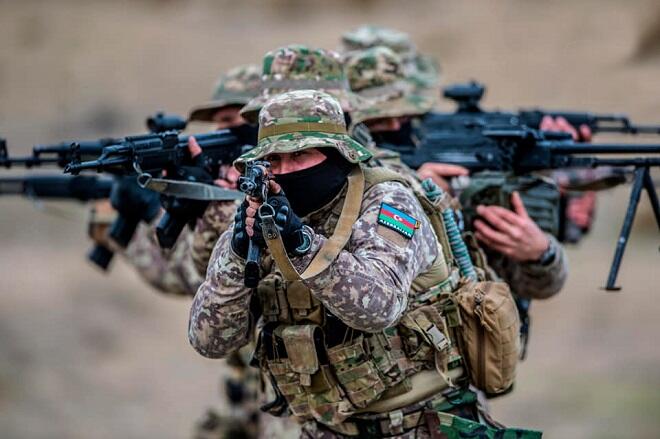
The National Interest, a leading U.S. magazine, has published an article by security analyst Harrison Kass titled "Here's Why Armenia Can't Win an Air War Against Azerbaijan," offering a detailed analysis of Azerbaijan's military superiority.
Axar.az reports the article says that Azerbaijan has devoted far greater resources to a modern drone fleet, while Armenia has largely remained dependent on Soviet-era fighter jets and doctrine—with predictable results.
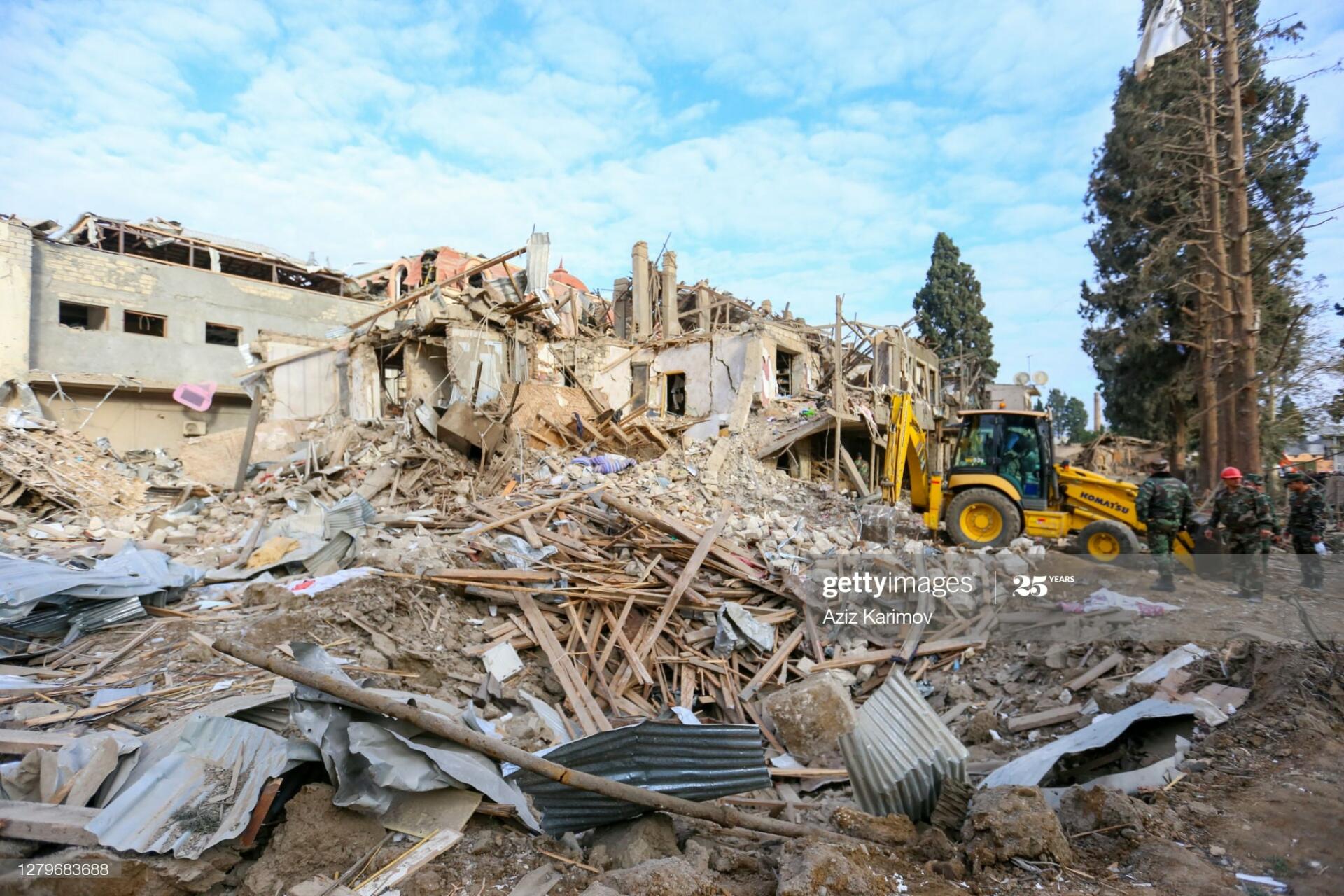
According to the article, the Second Nagorno-Karabakh War has been better remembered for demonstrating to the world how drones, loitering munitions, and electronic warfare would reshape the modern battlefield—serving in some ways as a dress rehearsal to Russia’s invasion of Ukraine a little more than a year later:
"Aided by that drone fleet, Azerbaijan won the 2020 war, and ultimately took full control of Nagorno-Karabakh in 2023. Armenia’s peace deal with Azerbaijan may have been borne out of a recognition that a future air war with Azerbaijan would likely look very different from the classic Cold War air battle. While Armenia still fields a handful of modern combat aircraft and Soviet-era air defenses, Azerbaijan has invested heavily in unmanned systems and precision strike capabilities—creating a significant advantage over Armenia in both force structure and doctrine.
Today, Azerbaijan’s air force is built around a mixture of conventional aircraft and extensive unmanned capabilities. The hallmark is roughly a dozen upgraded MiG-29 Fulcrums, for air defense and fighter missions, and the Su-25 Frogfoot attack aircraft for close air support.
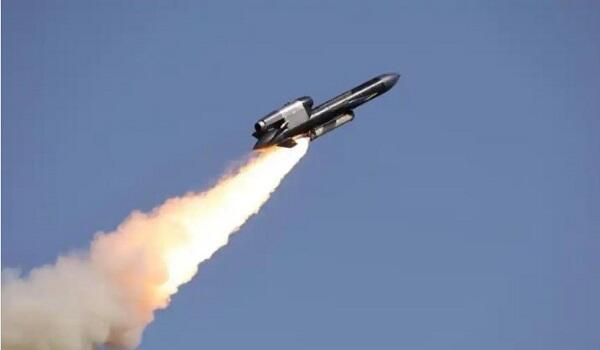
Yet the most important arrow in Baku’s quiver is its large inventory of unmanned systems. The Turkish-made Bayraktar TB2 armed drone provides persistent ISR and precision strike capability while the Israeli Harop loitering munitions and SkyStriker systems add long-range precision attack against high-value targets. Azerbaijan is also moving toward the introduction of the JF-17 Thunder Block III fighter with more modern avionics and multirole capability.
Armenia has a significantly smaller combat aviation force. The most capable aircraft in Yerevan’s inventory is the Su-30SM Flanker-H multirole fighter; however, Armenia has only four of these. While the Su-30 is a capable aircraft, Armenia has struggled to fully exploit its capabilities because of limitations in weapons integration and supporting command-and-control infrastructure. For ground attack, Armenia also has the Su-25 Frogfoot. But overall, Armenia’s combat aviation inventory is considerably smaller than Azerbaijan’s.
From a doctrinal perspective, the two countries are running very different playbooks. Azerbaijan has shifted its warfighting strategy towards drones, precision strike, electronic warfare, persistent ISR, and the suppression of enemy air defenses (SEAD), rather than relying on manned aircraft as air forces have historically done. Armenia has remained more dependent on traditional surface-to-air missile systems, fixed radar sites, and legacy Soviet doctrine.
The result is two very different approaches to modern air warfare, and one decidedly in Azerbaijan’s favor. One of the defining features of the 2020 war was the Bayraktar TB2, which Azerbaijan used to conduct surveillance for hours over the battlefield, relay targeting data, and strike armored vehicles, artillery, and logistics targets. Azerbaijan’s Israeli-made Harop loitering munitions also played a crucial SEAD role in that war, searching for emitting radar systems before diving directly onto them. Persistent surveillance makes it difficult for opposing forces to maneuver undetected. Rather than a single large air strike. Azerbaijan can maintain continuous pressure through the battlespace.
Armenia faces significant structural challenges in a rematch. The country’s smaller air force has older supporting infrastructure and a heavy reliance on fixed air-defense systems. Armenia would struggle to replace combat losses quickly. And if its key radar sites were degraded early, Armenia’s overall integrated air defense would become difficult to sustain.
Since the 2020 conflict, Azerbaijan’s investment in Turkish and Israeli defense tech has produced a force designed around continuous surveillance, precision engagement, and distributed unmanned operations—allowing for a shift in power that gives Azerbaijan advantages over Armenia. In a renewed conflict, without outside intervention, Azerbaijan’s combination of conventional fighters, extensive drone fleets, loitering munitions, and modern SEAD tactics would allow for the rapid establishment of air superiority. It is likely fortunate for Armenia, then, that the two sides have mostly decided to bury the hatchet," the article says.


|
Date
2026.07.12 / 16:14
|
Author
Axar.az
|