Aliyev’s Zangilan speech draws global media attention
22:45
| Home page World |

|
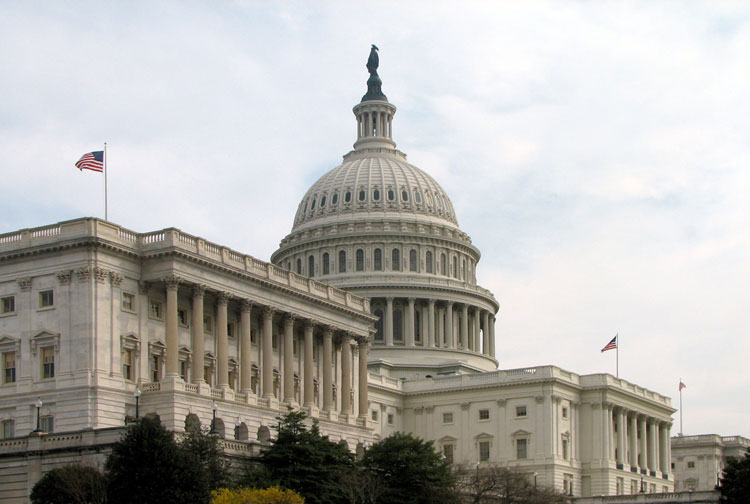
The expiration of the New START treaty, the last remaining nuclear arms control agreement between the United States and Russia, highlights Russia’s declining status as a global superpower, according to CNN analysis.
Axar.az reports that since the Soviet Union’s collapse in 1991, Moscow has lost territory, economic strength, and global influence, retaining parity with Washington mainly through its nuclear arsenal.
Signed in 2010 by Barack Obama and Dmitry Medvedev, New START limited both countries to 1,550 deployed strategic nuclear warheads. Its expiry on February 5, 2026, ends an era in which US-Russia nuclear relations were governed by formal constraints and inspections.
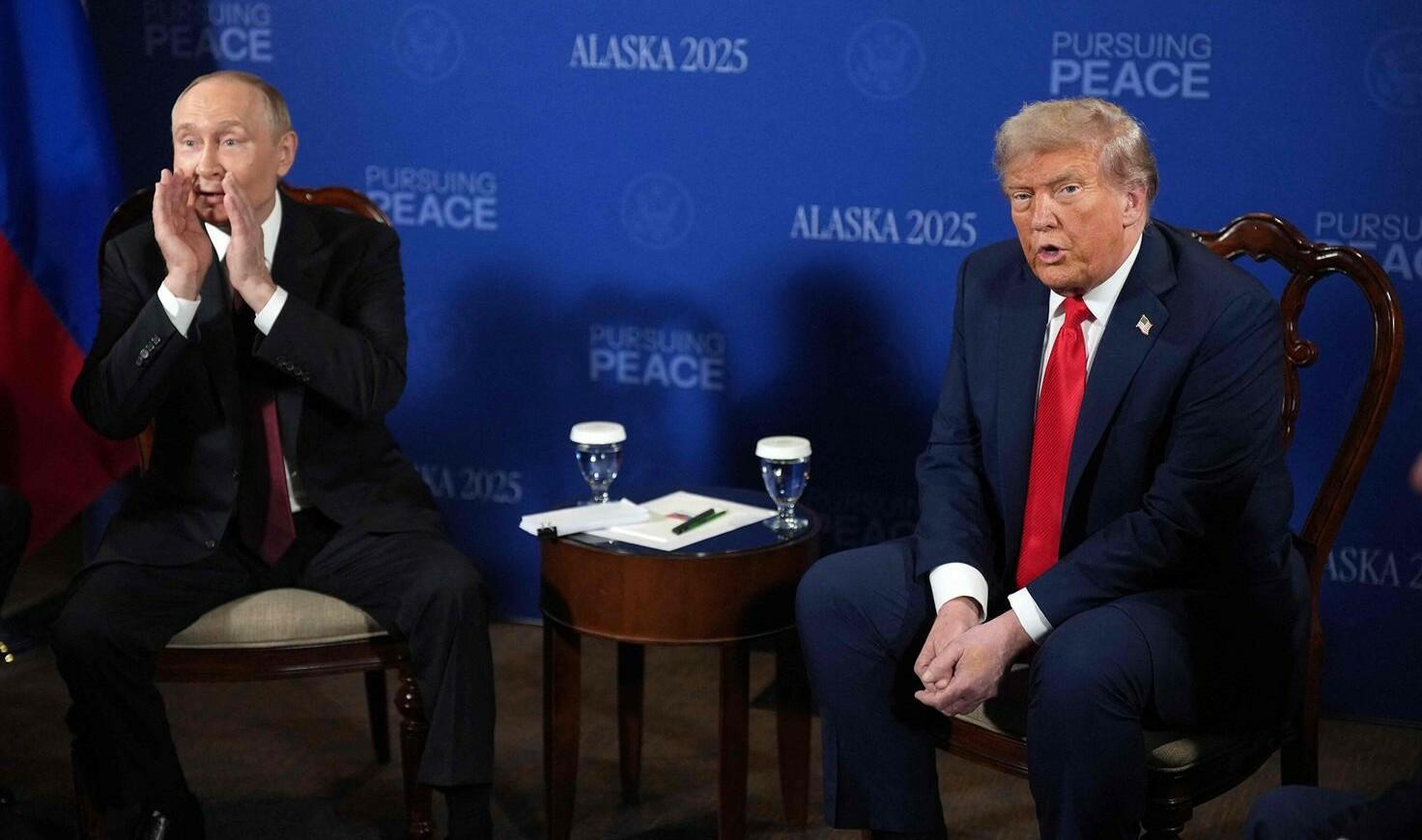
The Trump administration has shown little urgency over the treaty’s collapse, with President Trump suggesting a better deal might emerge later. In contrast, Russian officials have expressed alarm, warning that the absence of nuclear limits threatens global and strategic stability.
Analysts argue Moscow’s concern is largely self-interested: without arms control, Russia risks falling further behind a US capable of vastly expanding its nuclear forces—something Russia’s smaller economy and defense budget cannot match. The treaty’s end not only removes a pillar of nuclear restraint but also underscores the erosion of Russia’s ability to engage the US as an equal on the global stage.


|
Date
2026.02.06 / 10:56
|
Author
Axar.az
|