


Turan Tovuz excluded from European Competitions
13:54
| Home page World |

|
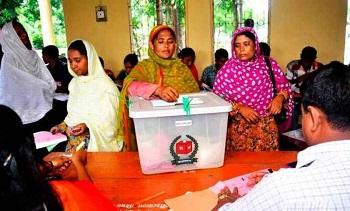
Bangladesh held its first parliamentary election since the 2024 mass protests that forced former Prime Minister Sheikh Hasina from power, AP reported.
Axar.az reports that more than 127 million voters are eligible in what is widely viewed as a pivotal test of the country’s democratic recovery after years of unrest, violence, and institutional erosion.
Hasina’s Awami League is banned from the election, and she remains in exile in India. The leading contender is Tarique Rahman of the Bangladesh Nationalist Party (BNP), who returned from 17 years in self-exile and has pledged to restore democratic institutions and revive the economy. Challenging the BNP is an 11-party alliance led by Jamaat-e-Islami, the country’s largest Islamist party, whose resurgence has raised concerns among women and minority communities.
The election is being conducted under an interim government led by Nobel laureate Muhammad Yunus, with hundreds of international observers monitoring the vote. About 5 million first-time voters are participating.
Alongside electing lawmakers, voters are also weighing a referendum that could trigger major constitutional reforms, including the creation of new oversight bodies and transforming Parliament into a bicameral legislature.
The vote is seen as a defining moment that could reshape Bangladesh’s political stability and democratic trajectory.


|
Date
2026.02.12 / 15:13
|
Author
Axar.az
|