





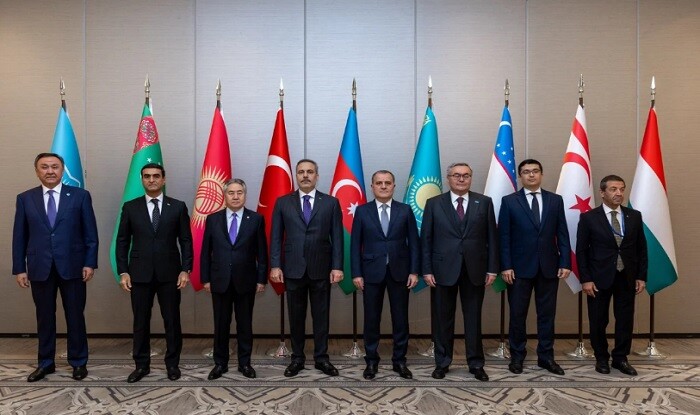
Turkic states discuss summit preparations in New York
19:10
| Home page Economy |

|

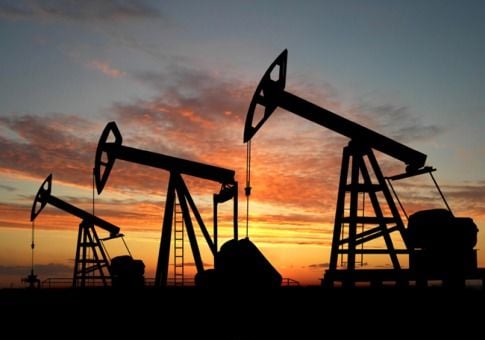
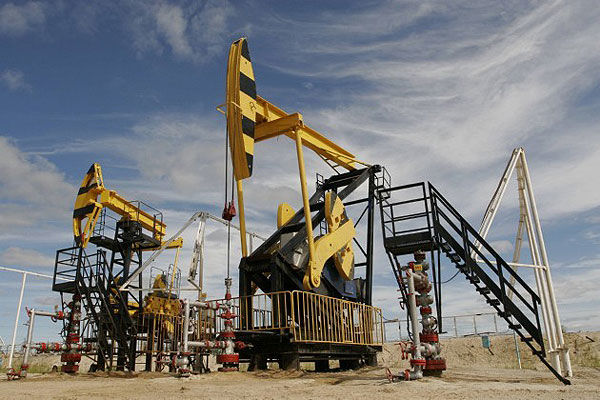
Turkiye is an energy-importing country, and it imports both gas and oil. The war in the region has had a serious impact on energy prices.
Axar.az reports that economist Khalid Karimli said this in a statement while discussing the impact of the United States–Iran confrontation, rising tensions in the Middle East, and developments in the Strait of Hormuz on the Turkish economy.
He noted that before the war began, oil prices, which were around $55–60, could even have fallen below $50.
“However, due to the current tensions, oil prices are now at the level of $105–110. This means that although Turkiye's import volume has remained the same, the cost of those imports has nearly doubled. The same process is being observed in gas prices. This situation is creating serious pressure on Turkiye's balance of payments. Developments related to the Middle East, especially events in the Strait of Hormuz, are affecting the whole world, and Turkiye is no exception. However, there will be no deficit in oil and gas supplies in Turkiye because the country has access to the Mediterranean Sea, which is one of the main hubs of global energy trade. The only issue is that energy has become more expensive for all countries.”
Karimli believes that rising energy and import costs could further accelerate inflation in Turkiye.
“This process will lead to higher inflation in Turkiye, weaken the purchasing power of the population, and increase the prices of Turkish products. As prices rise in Turkiye, Azerbaijan will also have to pay more for the products it imports from there.”


|
Date
2026.05.14 / 18:30
|
Author
Axar.az
|













.jpg)