.jpg)








.jpg)
Alex Dunne wins second Formula 2 feature race in Baku
12:18
| Home page Health |

|

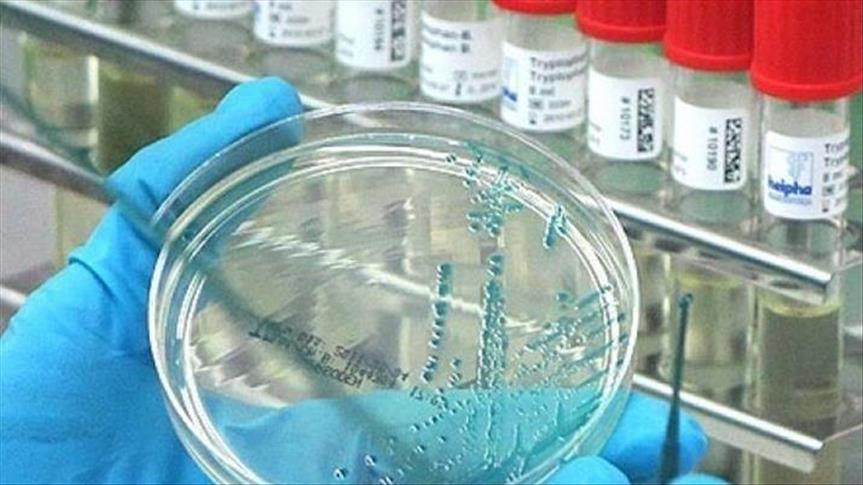
As the global race to produce a Covid-19 vaccine continues, China appears to have made huge strides, with one of its vaccine front-runners, Sinovac, already making its way abroad.
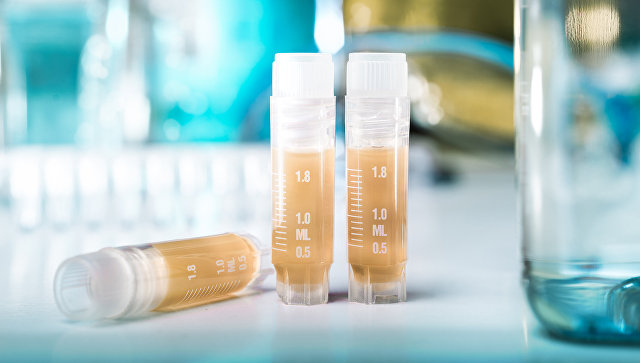
Axar.az reports citing BBC that shipments of Beijing-based biopharmaceutical company Sinovac's Covid-19 vaccine CoronaVac have arrived in Indonesia in preparation for a mass vaccination campaign, with another 1.8m doses due to arrive by January.
CoronaVac is an inactivated vaccine, which works by using killed viral particles to expose the body's immune system to the virus without risking a serious disease response.
The Moderna and Pfizer vaccines are mRNA vaccines - which means part of the coronavirus' genetic code is injected into the body, triggering the body to begin making viral proteins, but not the whole virus, which is enough to train the immune system to attack.
"CoronaVac is a more traditional method [of vaccine] that is successfully used in many well-known vaccines like rabies," Associate Prof Luo Dahai of the Nanyang Technological University told the BBC.
How effective is it?
It's hard to say at this point in time. According to the scientific journal The Lancet, we currently only have information from the first and second phase trials of CoronaVac.
Zhu Fengcai, one of the paper's authors, said those results - which are based on 144 participants in the phase one trial and 600 in the phase two trial - meant the vaccine was "suitable for emergency use".
How many doses can they produce a year?
Sinovac will be able to produce 300 million doses a year in its newly built 20,000 sq m production plant, its chairman told state media outlet CGTN.
Like all the other vaccines, it requires two doses, which means it is currently only able to inoculate 150m people a year - just over a tenth of China's population.
However, it has already delivered doses to Indonesia, and Sinovac has secured other deals with Turkey, Brazil and Chile.


|
Date
2020.12.10 / 16:54
|
Author
Axar.az
|