

Araghchi: War must end on all fronts for regional stability
14:12
| Home page Politics |

|
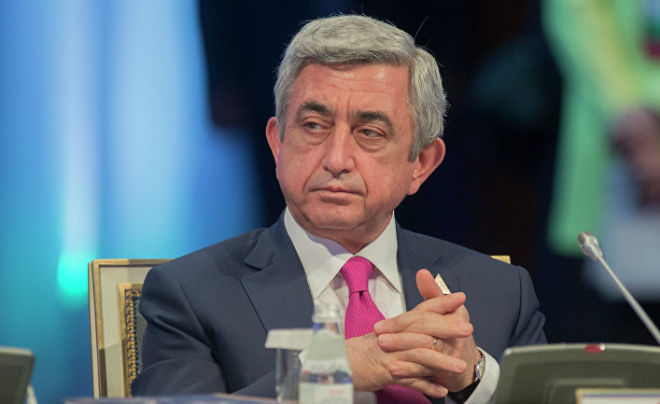
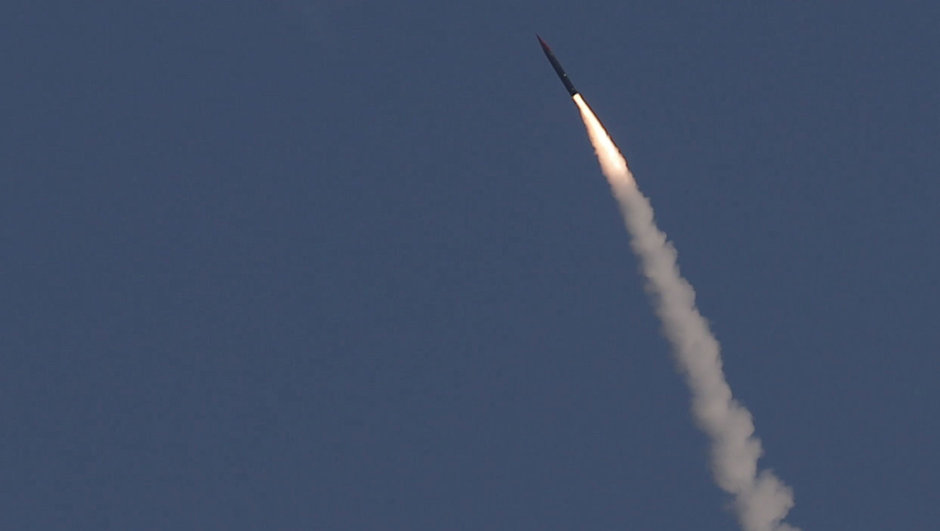
Armenian President Serzh Sargsyan’s statement on a possible use of Iskander operational-tactical missiles is a primitive step, which is intended for the internal audience and aimed at strengthening the shaken authority of his criminal gang and increasing his pre-election rating.
Axar.az reports citing APA news agency.
Earlier Armenian President Sargsyan said that if needed, he will give an order to strike with Iskander missiles.
“The enemy should understand that all military facilities and other strategic objects located in Azerbaijan’s occupied territories, including Armenia are constantly targeted by the Azerbaijani army,” said the defense ministry, noting that any threat from Armenia will be suppressed immediately and decisively.
“As a result of retaliatory actions to be taken by the Azerbaijani army, Armenia will not avoid large-scale causalities and destruction, which will lead to disastrous and irreversible consequences for it. Before making such irresponsible statements, the Armenian authorities should think about the fate of the population,” Azerbaijan’s MoD warned.
The Nagorno-Karabakh conflict entered its modern phase when the Armenian SRR made territorial claims against the Azerbaijani SSR in 1988.
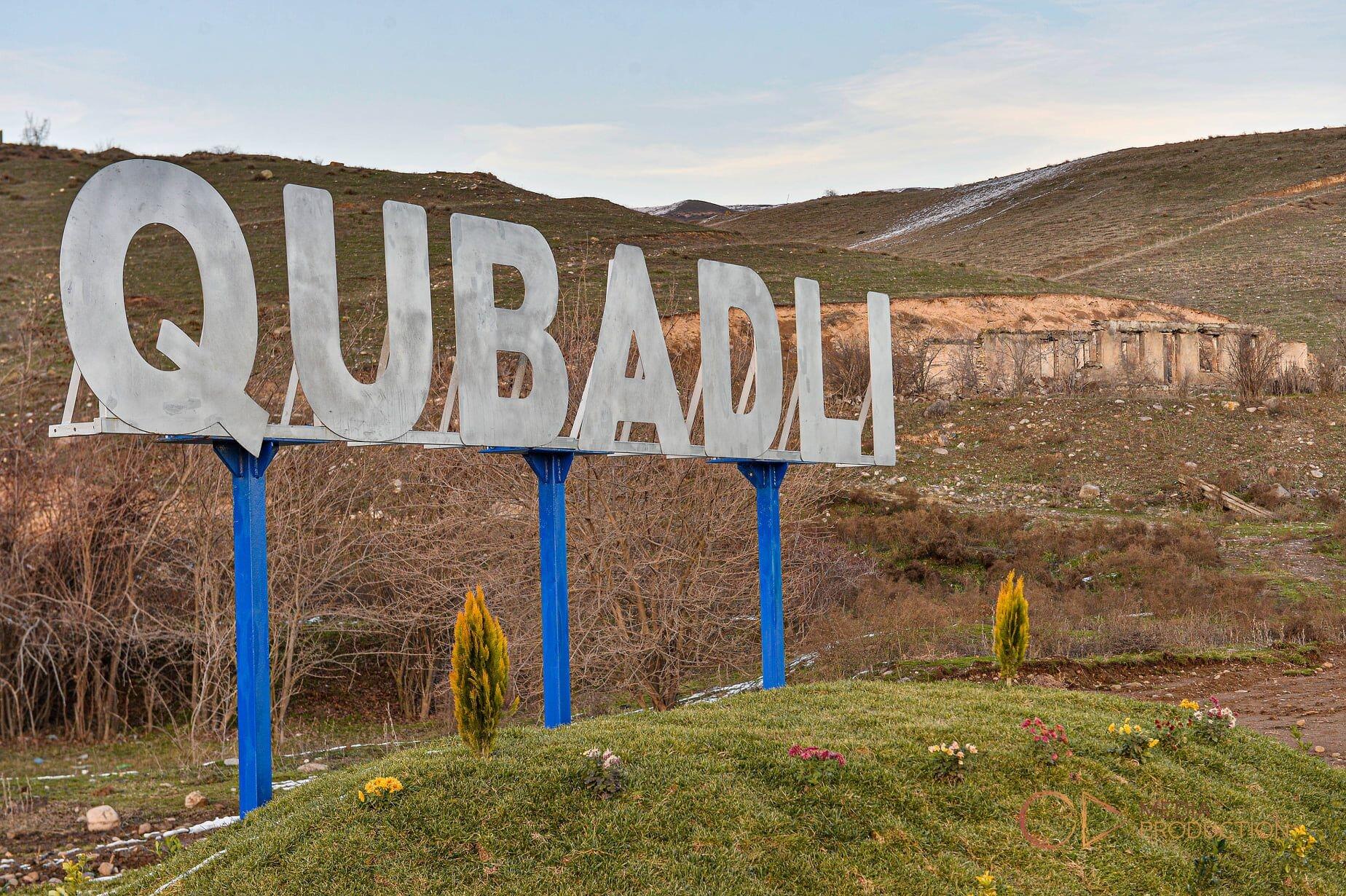
A fierce war broke out between Azerbaijan and Armenia over the Nagorno-Karabakh region of Azerbaijan. As a result of the war, Armenian armed forces occupied some 20 percent of Azerbaijani territory which includes Nagorno-Karabakh and seven adjacent districts (Lachin, Kalbajar, Aghdam, Fuzuli, Jabrayil, Gubadli and Zangilan), and over a million Azerbaijanis became refugees and internally displaced people.
The military operations finally came to an end when Azerbaijan and Armenia signed a ceasefire agreement in Bishkek in 1994.
Dealing with the settlement of the Nagorno-Karabakh conflict is the OSCE Minsk Group, which was created after the meeting of the CSCE (OSCE after the Budapest summit held in Dec.1994) Ministerial Council in Helsinki on 24 March 1992. The Group’s members include Azerbaijan, Armenia, Russia, the United States, France, Italy, Germany, Turkey, Belarus, Finland and Sweden.
Besides, the OSCE Minsk Group has a co-chairmanship institution, comprised of Russian, the US and French co-chairs, which began operating in 1996.
Resolutions 822, 853, 874 and 884 of the UN Security Council, which were passed in short intervals in 1993, and other resolutions adopted by the UN General Assembly, PACE, OSCE, OIC, and other organizations require Armenia to unconditionally withdraw its troops from Nagorno-Karabakh.


|
Date
2017.03.27 / 14:36
|
Author
Axar.az
|