



US expert: WUF13 boosts Azerbaijan’s global role
12:54
| Home page Politics |

|
The Venezuela operation reflects local, continental, and global objectives for the United States. However, Maduro’s arrest is not the achievement of Washington’s goals, but rather the beginning of the process.
At the local level, Maduro’s arrest is significant for Washington in two contexts.
First, control over Venezuela’s natural resources—proven reserves of 303.8 billion barrels of oil, more than 5.6 trillion cubic meters of natural gas, and mineral resources. The United States has long viewed Latin American countries, including Venezuela, as a “geography of profit” and has used various methods in the struggle to control this region—military intervention, coups, and economic dependency (John Perkins’s book Confessions of an Economic Hit Man is important for understanding this struggle in the region). If Trump succeeds in bringing post-Maduro Venezuela under control, it would be a major success in his Latin America strategy.
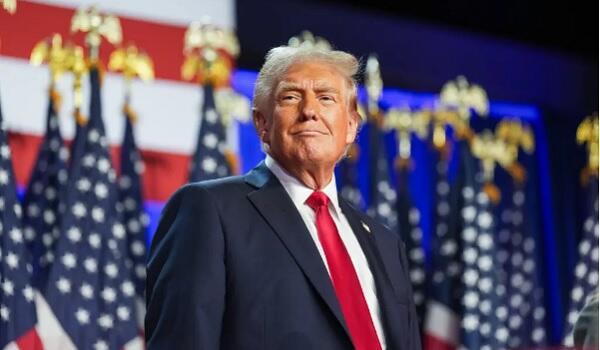
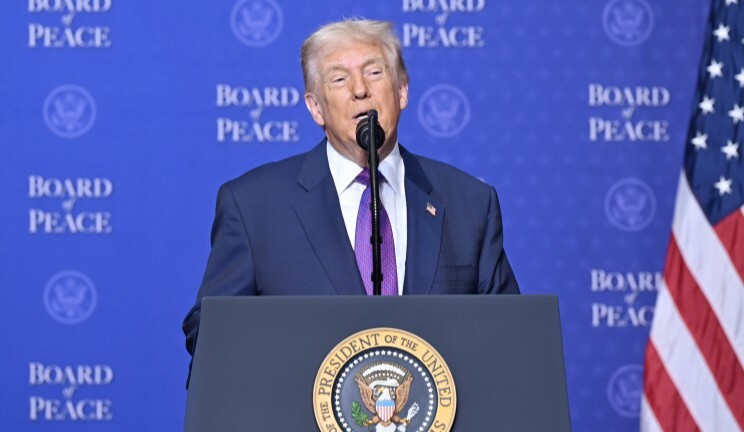
Second, it is Trump’s “show of muscle.” While the operation demonstrates the power of the United States to the entire world, it also strengthens Trump’s position domestically, despite sparking considerable controversy within the U.S. (especially regarding the lack of notification to Congress).
At the continental level, Washington is implementing a plan to “cleanse” the hemisphere it sees as the Western Hemisphere from “external influences” and bring it under control. Even before Trump assumed presidential powers, he raised this issue with claims regarding Canada, Panama, Greenland, and Mexico. In the newly adopted National Security Strategy, these objectives were formalized: China’s influence in the Americas must be eliminated or brought under control.
- Washington is trying to neutralize Beijing’s military-economic cooperation with Latin American countries, as well as the influence of Chinese companies over logistics;
- Or at the very least, it wants China to recognize the U.S. as the primary authority in its activities on the continent and to conduct trade relations primarily with the U.S.
It is not unlikely that the Venezuela plan could create a “domino effect” in the region, and at minimum, establish a precedent where other countries consider Washington’s wishes.
Although the plan at the continental level can be seen as a “Trump approach” to the Monroe Doctrine, this approach also encompasses the U.S.’s global objectives: to bring the Americas under control and continue the struggle against China—seen as a rival to the U.S. “superpower” system—in Eurasia.
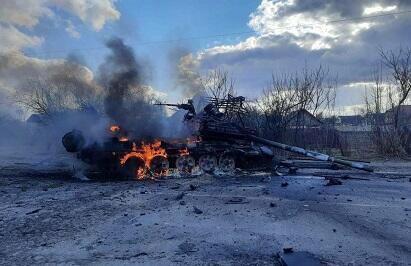
Since 2020, in the global struggle that became more active, the main motivation for the U.S. has been to prevent China from strengthening as a second pole. The war in Ukraine also served this geopolitical goal: to disrupt the logistical capabilities of the Belt and Road Initiative, to punish Europe for attempting to free itself from U.S. influence through cooperation with China and to become a center of power. Strange as it may sound, in this objective, Washington’s and Moscow’s interests have aligned.
After coming to power, Trump moved this process to a more open level:
- He activated U.S. presence in two hubs of the Middle Corridor—South Caucasus (Zangezur corridor) and Central Asia;
- He pursued a new Middle East policy (constraining Iran, accepting Turkey’s regional role), particularly by revitalizing the “Abraham Accords,” aiming to put pressure on Beijing in the region;
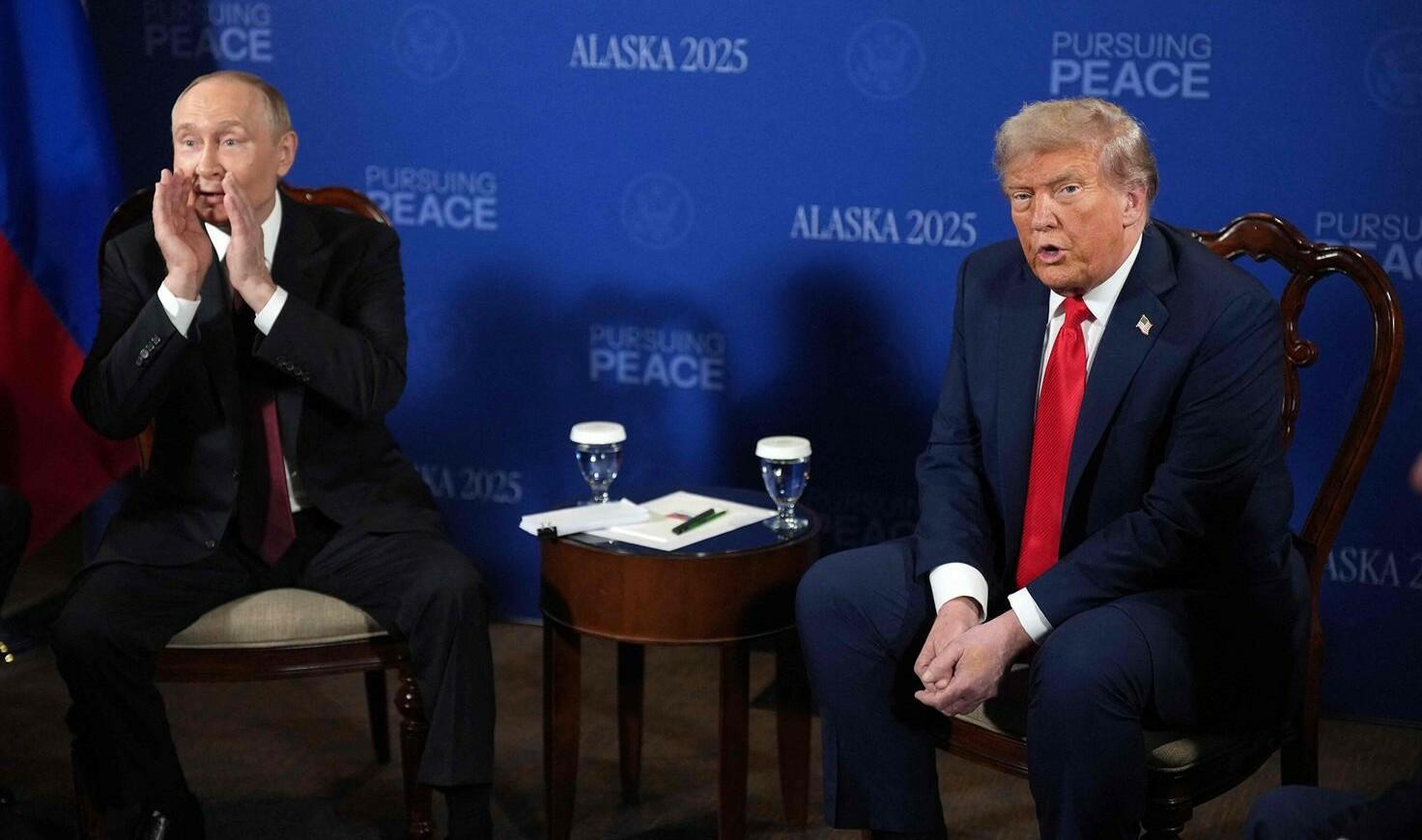
- And most importantly, he sought to leverage Russia in the fight against Beijing by reaching an understanding on the Russia-Ukraine issue.
In this context, it is not unlikely that Russia cooperated with the U.S. in one form or another in the Venezuela operation, and this could help reduce Beijing’s influence in Latin America and strengthen Washington in the future. In return, Russia wants recognition of the “global power” role it expected after the end of the Cold War. For the U.S., it is more acceptable to have a Russia under control—maintaining the “superpower” role and securing some of its interests relative to a rising China—but as a manageable power used against Europe and China, not as an independent actor.
There are also factors in the Venezuela operation that could produce counter-effects, especially in the context of Chinese and Russian interests:
- The U.S.’s focus on its own hemisphere—its retreat—creates opportunities for Russia and China to become more active in Eurasia;
- Moscow gains a chance to legitimize its war of occupation in Ukraine based on Washington’s precedent of interventions where international law is sidelined, and Beijing gains an opportunity to seize control over Taiwan.
We can say that the U.S. has deliberately created this situation. Such a scenario leads to a clash between Europe, Russia, and China in the struggle to gain prominence in Eurasia, while the sidelining of international law—established after World War II—opens the way for the use of force. It also allows the U.S., having removed external interventions in its own region, to take on the role of a game-maker in the struggle in Eurasia and manage the formation of a new order according to its own interests.
In the current situation, which recalls the period between the First and Second World Wars in Eurasia, it is clear that Washington’s moves to sideline international law—the UN system—are aimed at concrete objectives. It seems that clashes over the establishment of a new order in Eurasia and the division of power, managed by the U.S., will continue.
Will Washington fully achieve its goals? The question remains open, because China has potential that must be considered, Russia has its own game, Europe does not want to retreat, and most importantly, there are points of conflict between the U.S. and the U.K. in their Eurasia plans.


|
Date
2026.01.06 / 13:50
|
Author
Asif Nərimanlı
|