


US moves to reduce diplomatic presence in Gulf region
00:18
| Home page Science |

|
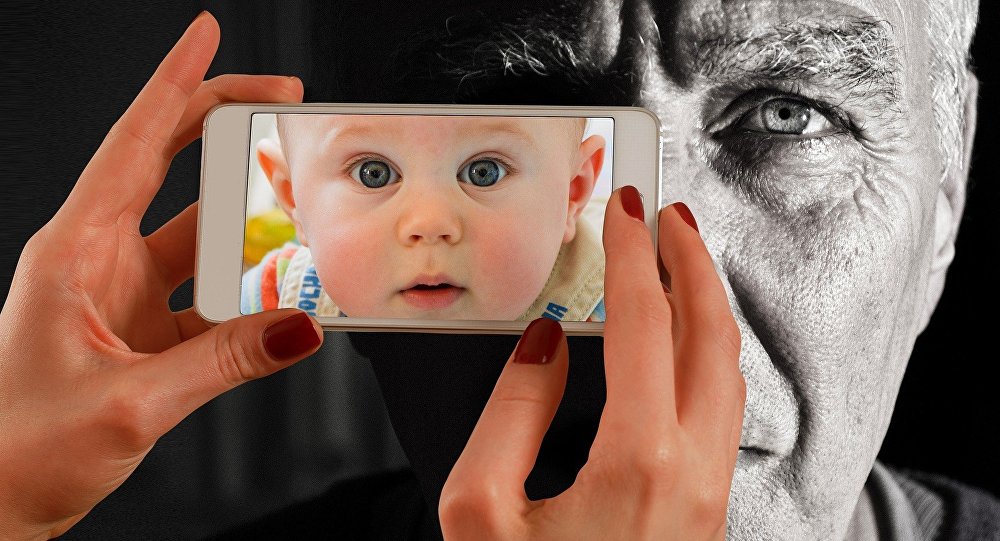
A new scientific perspective published in Nature Communications highlights growing evidence that aging at the cellular level may not be a one-way process—and could potentially be reversed.
Axar.az reports he study, authored by Ali Doga Yucel and Vadim N. Gladyshev, examines a cutting-edge field known as reprogramming-induced rejuvenation (RIR). This approach aims to restore older cells to a more youthful state, potentially opening new pathways for treating age-related diseases.
Turning Back the Cellular Clock
Aging is closely tied to the gradual decline of cells and their functions. Researchers suggest that by reducing the “biological age” of cells, it may be possible to improve overall health and longevity. One promising technique involves partial cell reprogramming, where cells are temporarily exposed to specific factors—often referred to as Yamanaka factors—to reset some aging markers without erasing the cell’s identity.
Unlike full reprogramming, which transforms cells into stem cells, partial reprogramming aims to rejuvenate cells while preserving their original roles in the body.
Promising Results in Early Studies
Experiments in animals and human cells have shown encouraging outcomes. Partial reprogramming has been linked to improved muscle function, restored vision in mice, enhanced tissue regeneration, and even extended lifespan in some animal models.
In one case, older mice treated with reprogramming factors experienced a significant increase in lifespan and improvements in overall health indicators.
Scientists have also explored chemical-based methods that avoid genetic modification, offering a potentially safer and more practical approach for future therapies.
Challenges and Safety Concerns
Despite its promise, the technique is not without risks. One major concern is that excessive or uncontrolled reprogramming can lead to tumor formation or loss of cell identity. Even small errors in the process could have serious consequences, researchers warn.
Additionally, the long-term effects of rejuvenation remain unclear. Scientists still do not fully understand whether the benefits are permanent or how cells behave after treatment ends.
The Road Ahead
Experts emphasize that more research is needed before these findings can be translated into human therapies. Key challenges include improving the precision of treatments, ensuring safety across different tissues, and developing reliable ways to measure biological aging.
While still in its early stages, reprogramming-induced rejuvenation represents a significant shift in how scientists approach aging—not just as an inevitable decline, but as a biological process that might one day be controlled or even reversed.
As the research progresses, it could redefine modern medicine’s approach to longevity, offering hope for healthier aging in the future.


|
Date
2026.05.06 / 22:52
|
Author
Axar.az
|