
Ukrainian military losses updated
19:26
| Home page Politics |

|
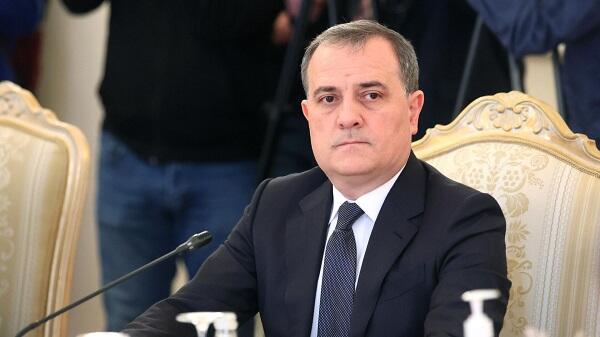
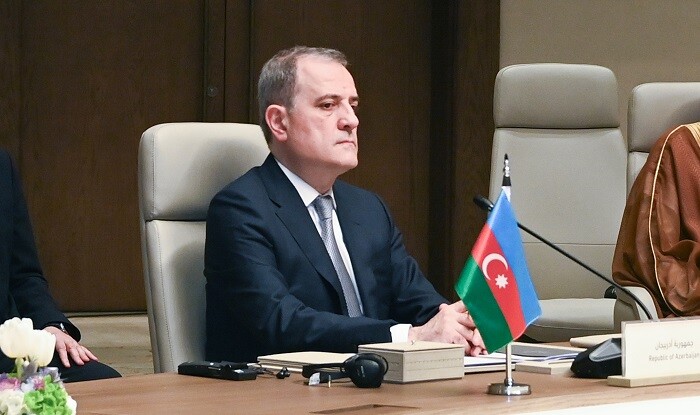
On July 7, Jeyhun Bayramov, Azerbaijan’s Minister of Foreign Affairs, had a telephone conversation with his Singaporean counterpart, Vivian Balakrishnan.
Axar.az reports that during the telephone conversation, the two ministers discussed the current state and development of relations between Azerbaijan and Singapore, as well as regional and international issues of shared interest.
The officials stressed the importance of intensifying political dialogue, conducting reciprocal visits, fully utilizing the existing potential for enhancing cooperation in the fields of economy, trade, investment, digital transformation, innovation, transport, logistics, education, and human capital development, as well as continuing efforts to strengthen the legal framework.
The foreign ministers pointed out the significance of cooperation within multilateral platforms, including the United Nations and other international organizations, while also reviewing candidacies for elected bodies of international organizations.
Minister Jeyhun Bayramov informed his counterpart about Azerbaijan's decision to introduce a visa-free regime for Singaporean citizens effective August 1, expressing confidence that this step would contribute significantly to expanding people-to-people contacts, fostering business ties and tourism cooperation, and further enhancing bilateral relations.
The conversation also addressed regional security. FM Bayramov briefed the Singaporean top diplomat on Azerbaijan’s efforts to ensure lasting peace and stability in the region during the post-conflict period.
Additionally, Bayramov highlighted Azerbaijan’s large-scale restoration efforts in its liberated territories, as well as the importance of unlocking regional transport and communication links to advance economic integration and strengthen mutual trust.
The foreign minister noted that Azerbaijan's relations with the Central Asian countries have been elevated to the level of strategic partnership in recent years, adding that, within this framework, cooperation in the C6 format, as well as projects related to the Caspian Sea, the Middle Corridor, and other regional connectivity initiatives, has contributed immensely to promoting sustainable economic integration across Eurasia.


|
Date
2026.07.07 / 18:30
|
Author
Axar.az
|