

US diplomats and families begin returning to Middle East
11:56
| Home page World |

|
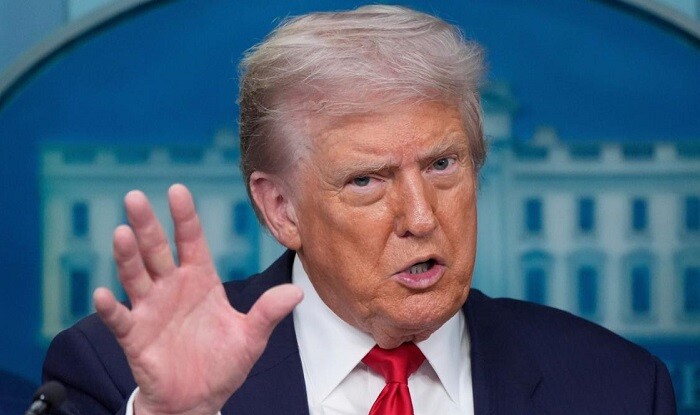
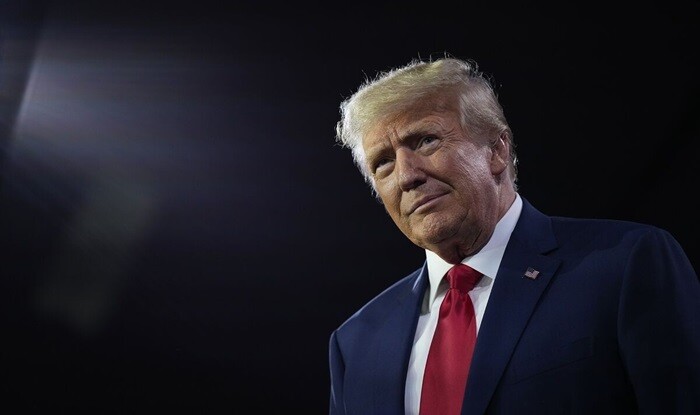
President Donald Trump enshrined the U.S. goal to put humans back on the moon by 2028 and defend space from weapon threats in a sweeping executive order issued on Thursday, the first major space policy move of his administration's second term.
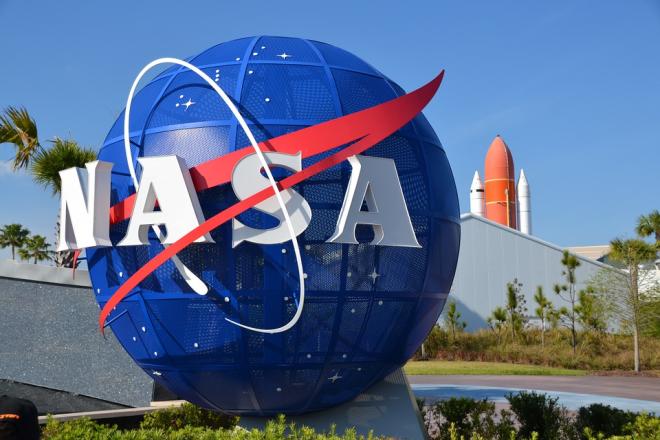
Axar.az informs, citing Reuters, the order, issued hours after billionaire private astronaut and former SpaceX customer Jared Isaacman was sworn in as NASA's 15th administrator, also reorganized national space policy coordination under Trump's chief science adviser, Michael Kratsios.
Titled "ENSURING AMERICAN SPACE SUPERIORITY," the order calls on the Pentagon and U.S. intelligence agencies to create a space security strategy, urges efficiency among private contractors and seeks demonstrations of missile-defense technologies under Trump's Golden Dome program.
It appeared to cancel the White House's top space policy-coordinating body, the National Space Council, a panel of cabinet members that the president revived during his first term and has considered axing this year.
But an adminitration official said it would not be cancelled and suggested it would live on under the White House's Office of Technology Policy with a different structure in which the president, rather than the vice president, would be chairman.
The goal to land humans on the moon by the end of Trump's second term in 2028 bears resemblance to the president's 2019 directive in his first term to make a lunar return by 2024, putting the moon at the center of U.S. space exploration policy with a timeline many in the industry regarded as unrealistic.
Development and testing delays with NASA’s Space Launch System and SpaceX’s Starship gradually pushed that landing target date back.
NASA's goal had been 2028 under former president Barack Obama.
LUNAR OUTPOST BY 2030
A 2028 astronaut moon landing would be the first of many planned under NASA's Artemis effort to build a long-term presence on the lunar surface. The U.S. is in competition with China, which is targeting 2030 for its first crewed moon landing.
The order on Thursday called for "establishment of initial elements of a permanent lunar outpost by 2030," reinforcing NASA's existing goal to develop long-term bases with nuclear power sources.


|
Date
2025.12.19 / 11:25
|
Author
Axar.az
|