

New chapter opened in Iran-Azerbaijan relations
18 August 23:56
| Home page World |

|
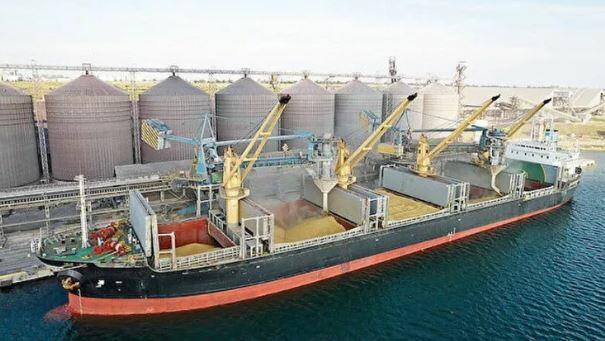
Three major Russian Black Sea grain export terminals have restricted grain deliveries by truck amid rising shipping risks in the Black Sea and increased flows following restrictions in the Sea of Azov.
Axar.az reports, citing Reuters, that Russia, the world's largest wheat exporter, restricted shipping through the Sea of Azov this month after Ukrainian drones attacked several Russian grain vessels on the route, which handles about a quarter of the country's grain exports.
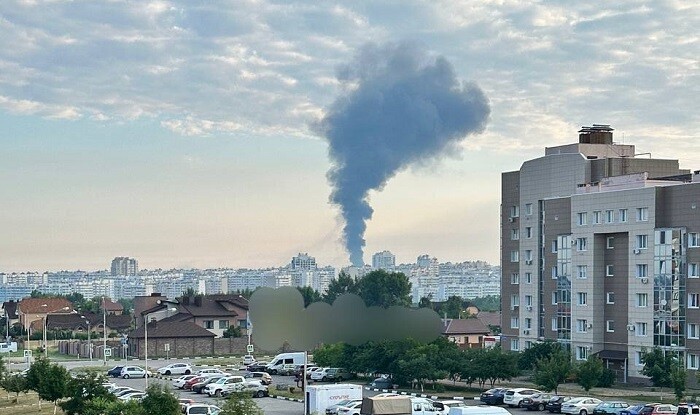
Authorities redirected grain from fertile southern regions that had previously been shipped through the Sea of Azov to deep-sea grain terminals in the Black Sea by truck and rail. However, attacks on Black Sea ports have also increased.
"The risks have increased, and there are fewer and fewer people willing to take bold, reckless risks," one of the sources said.
The three terminals the sources said had restricted deliveries by road — NZT and KSK in the port of Novorossiysk, and ZTKT in the port of Taman — have capacity to ship more than 20 million tons of grain annually. Total annual Russian seaborne grain exports are around 50 million tons.
The two terminals in Novorossiysk accept grain delivered by rail, but these deliveries are possible only from southern Russian regions, one of the sources said.
About a third of the grain handled by those two terminals is delivered by truck, while ZTKT accepts grain only by truck. The terminals ship to Russia's main grain customers, including Egypt and Turkiye.
Sources said Russia was seeking to further diversify its exports, with ports in the Baltic region expected to be a priority in the near future as the safest alternative route.
The Caspian Sea route is also an option, sources said, but it is mainly used for shipments to Iran and risks are also rising because of the war in the Middle East and, more recently, a Ukrainian attack on an Iranian vessel.


|
Date
2026.07.29 / 10:38
|
Author
Axar.az
|