


Two Azerbaijani soldiers injured in Kalbajar mine blast
00:35
| Home page Politics |

|
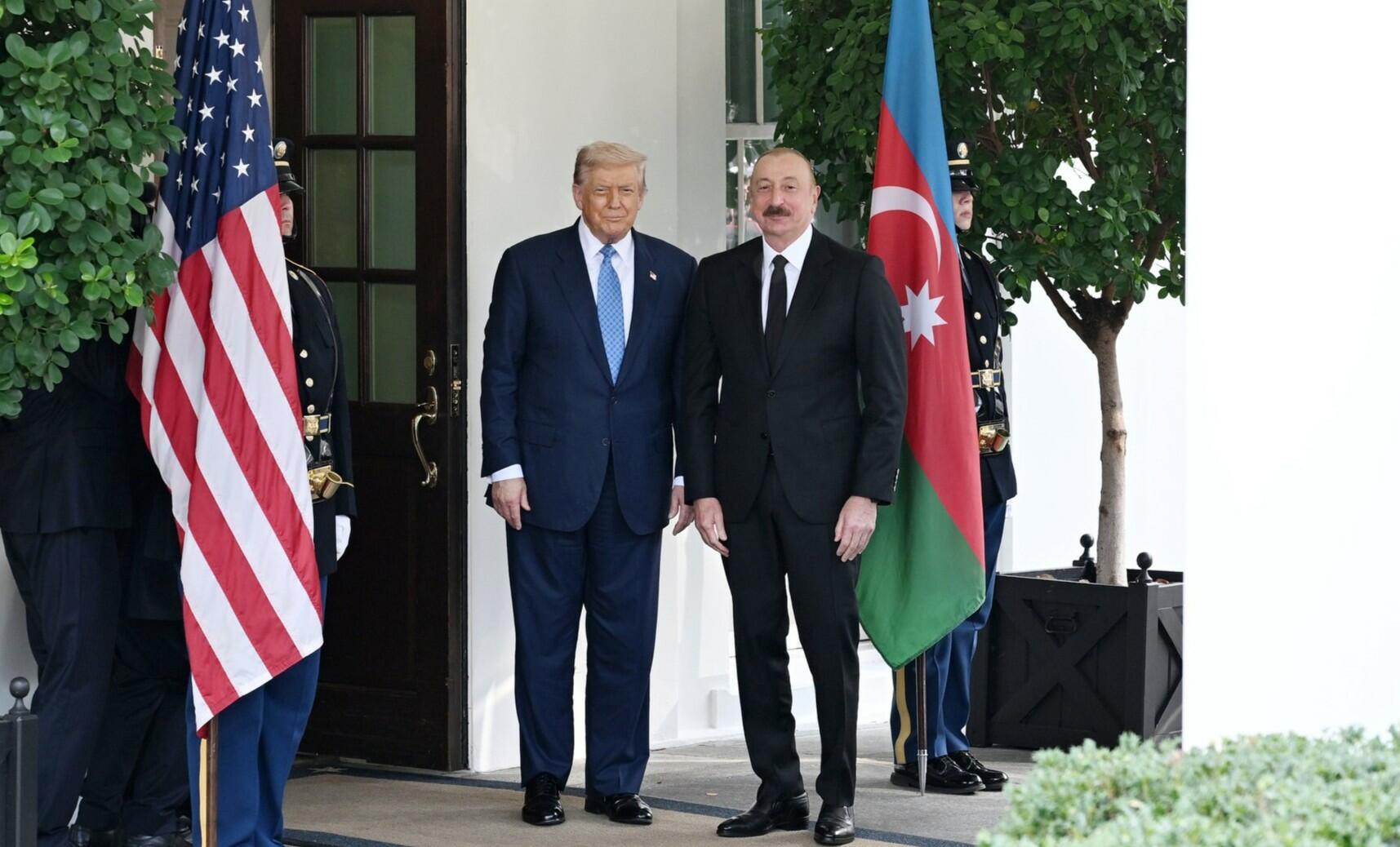
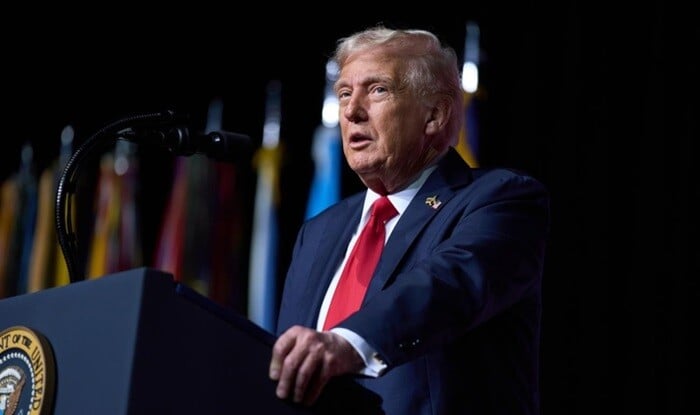
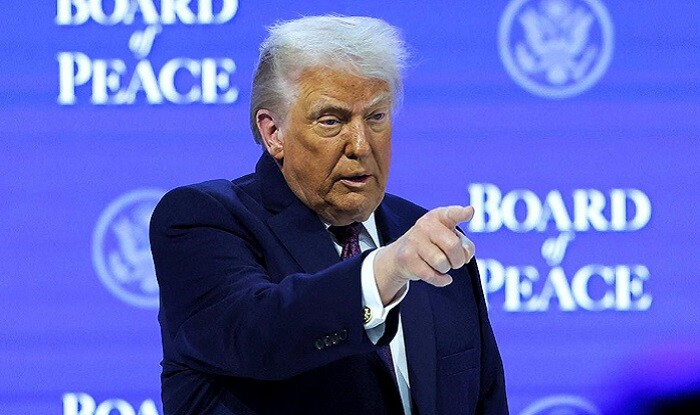
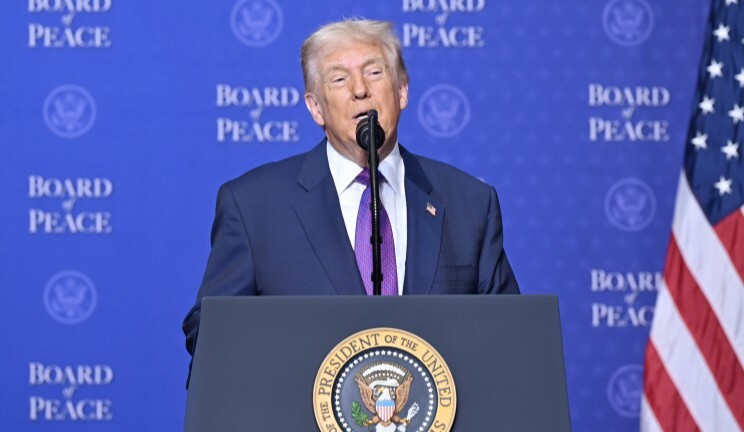
Azerbaijan’s participation as a founding state in the Board of Peace proposed by Donald Trump can be assessed in two contexts.
According to political analyst Asif Nərimanlı (Narimanli), the creation of the Board of Peace creats opportunity for Azerbaijan to play as a regional dialogue hub for global security.
- First, on the local level, participation in the Gaza peace process
The Peace Board is envisioned as a committee that will implement Trump’s 20-point Gaza plan. Azerbaijan has already taken part in the Gaza conference, and given its relations with both direct (Israel–Palestine) and indirect (Turkiye, Arab countries) stakeholders, it can contribute to the process.
Washington views Baku as a potential bridging player in the Gaza conflict. This could also strengthen Azerbaijan’s role in Middle East policy.
- Second, on the global level, taking part in reshaping the international security system
It is expected that the Peace Council’s activities will not remain limited to Gaza but will expand to resolving other conflicts and evolve into an international organization that could serve as an alternative to the UN.
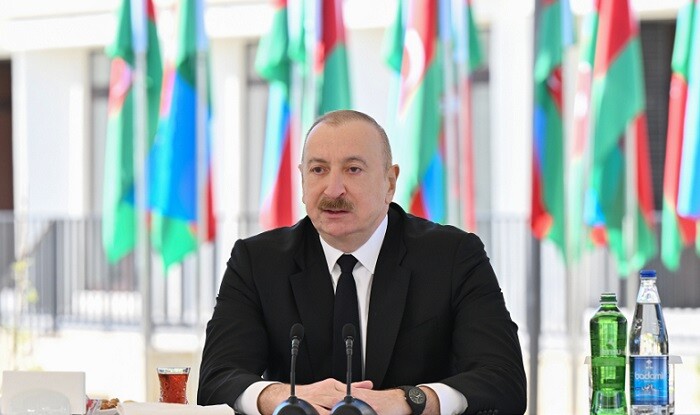
President Ilham Aliyev also emphasized this in his letter to Donald Trump regarding the invitation, stating:
“I believe that the Peace Board will be an effective international organization and will successfully fulfill its mission.”
A new security system is being formed outside the framework of the UN, initiated by the United States. While its practical effectiveness remains uncertain, for Baku it is not beneficial to stay outside such a process, both in terms of relations with Washington and participation in global developments.
To achieve a more favorable outcome from this process, Azerbaijan can move in two directions:
1) Playing a central, bridging role within the Peace Board
For the Peace Board to operate as an alternative to the UN, it must address not only peace processes but also broader global initiatives—such as interfaith dialogue, multiculturalism, and related areas.
By presenting its experience, Azerbaijan can assume a central and unifying mission in the Council’s work. This could give Baku the opportunity to become a dialogue hub within the new global security architecture.
2) Promoting reforms within the United Nations
The creation of the Peace Board makes UN reforms unavoidable if the organization wants to remain functional in a competitive environment. European countries, China, and others—especially those seeking to preserve the old order—will have an interest in this.
This reality creates the need for official Baku to revive its proposal regarding changes to the UN Security Council.
Previously, President Ilham Aliyev suggested that in order to ensure international justice, the UN Security Council should be expanded, and representation should be granted to structures that unite many countries, such as the Non-Aligned Movement and the Organization of Islamic Cooperation.
This would create an opportunity for Azerbaijan to gain a seat in the Security Council through these platforms.
Against the backdrop of the growing necessity for UN reforms, Azerbaijan may raise this initiative once again.


|
Date
2026.01.22 / 11:53
|
Author
Asif Nərimanlı, Yusif Güney
|