






Two Azerbaijani soldiers injured in Kalbajar mine blast
00:35
| Home page Politics |

|

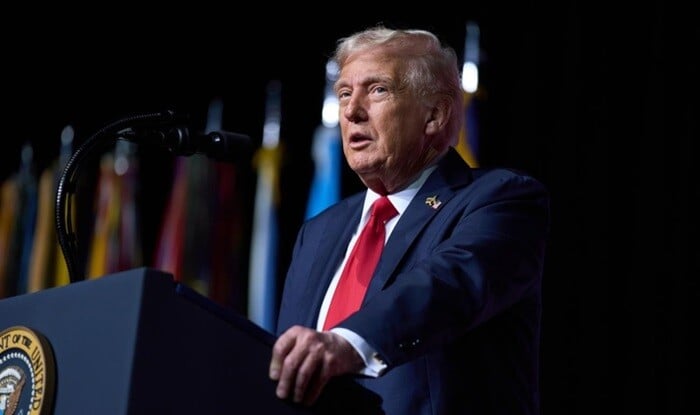
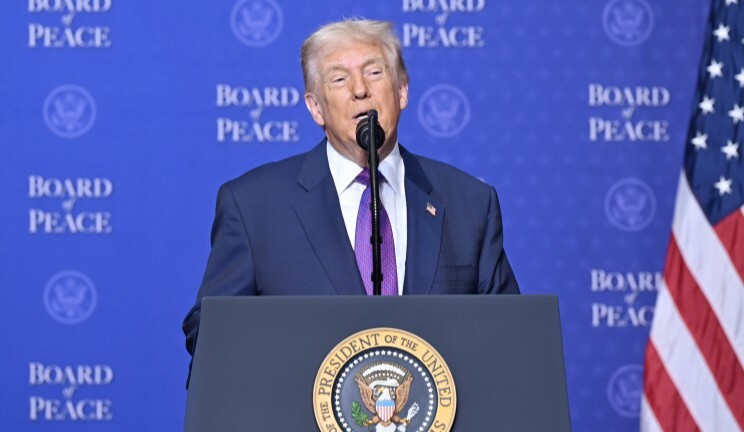
After Venezuela and Iran, Greenland is once again pushing geopolitical conditions closer to a crisis threshold. Trump does not hide his intention to take control of the island, which is significant due to its natural resources and strategic position—even by force if necessary.
Greenland holds an important place in the United States’ global strategy:
- Gaining global superiority over Russia and especially China;
- Strengthening positions in the struggle for control of the Arctic;
- Dominating the Western Hemisphere based on the Monroe Doctrine (Washington now also includes the Arctic within the principles of this doctrine).
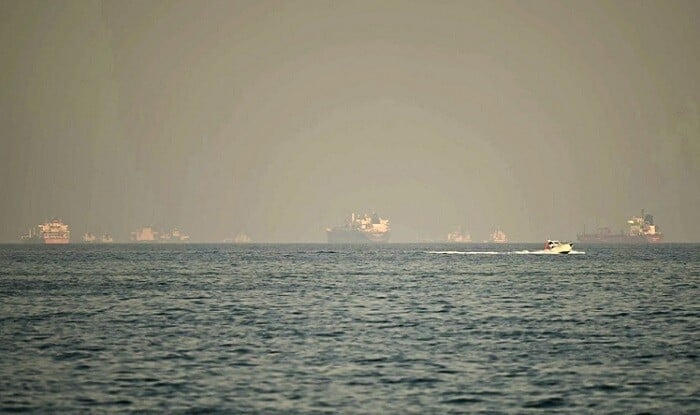
From this perspective, Trump’s claim that “Chinese and Russian ships have surrounded the island” may sound figurative, but it is not far from reality. China, which participates in various projects in Greenland, has managed to gain a dominant position in the production of mineral resources. This puts the United States at a disadvantage both in the global competition over minerals—now moving to the forefront after hydrocarbons—and in control of the Arctic region. Washington views China’s influence over the island as the main threat within what it considers its zone of influence in the Western Hemisphere.
Against the backdrop of the renewed practical application of the Monroe Doctrine through the Venezuela operation, the likelihood of the Trump administration moving to take control of Greenland is increasing. But how?
The first option is purchasing the island. Although Trump refers to President Truman’s 1946 proposal to buy Greenland, both Greenland and Denmark have rejected this idea.
The second option is the use of hybrid tactics: encouraging Greenland’s independence and then annexing it. Although independence aspirations have long existed on the island, this issue has been pushed into the background amid US takeover plans.
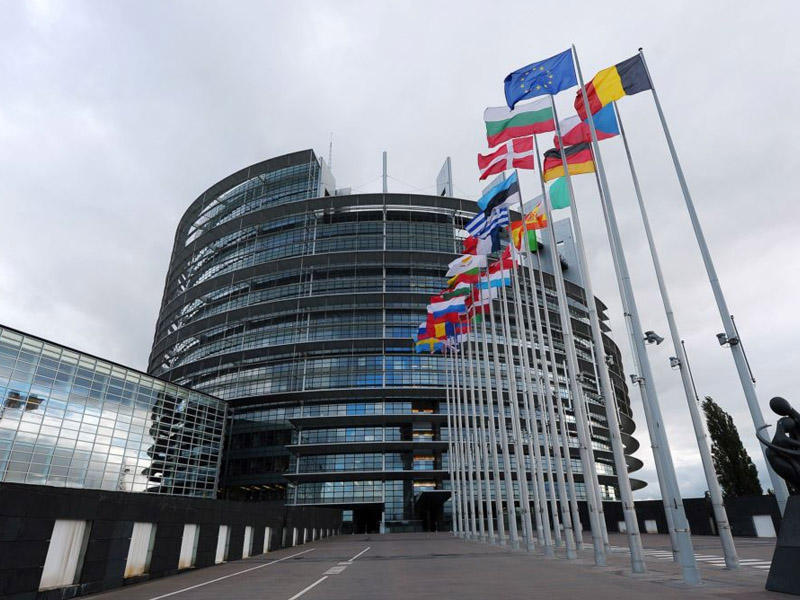
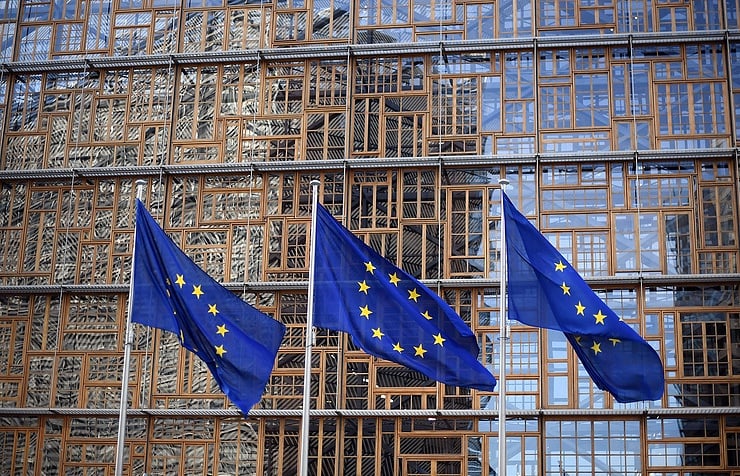
In both scenarios, Europe plays a special role in complicating US efforts. Europe, which has gained advantages in the Arctic competition through Greenland, understands that the island coming under US control would not only cause strategic and geographic losses but would also weaken Europe’s position in global politics. Even though the deployment of European troops to the island is symbolic in scale and power, it was meant as a show of stance against Washington.
Realizing that the first two options may not work, the US has brought a **third option—use of force—**onto the agenda. While it would not be difficult for the United States to seize the island in a short time with limited forces, the real challenge lies in the political consequences:
a) Military intervention in Greenland would mean an attack on NATO;
b) Such a move could trigger US–Europe confrontation and initiate the collapse of NATO.
These risks are also a source of concern within the US itself. Nevertheless, the likelihood of Washington abandoning its plan remains low, especially given Greenland’s strategic importance in its geopolitical calculations.
Currently, Washington is pressuring Europe through economic leverage to force a retreat, but this move, carrying the risk of a trade war, may not be sufficient. In that case, an unexpected scenario, presenting Europe with a fait accompli, remains among the possible options.
- Russia, which possesses extensive military forces in the Arctic, could take steps to create a “threat” to Greenland—conducting exercises or creating the impression of intervention;
- The US could then activate the military option on the grounds that Europe is unable to protect the island against this “threat.”
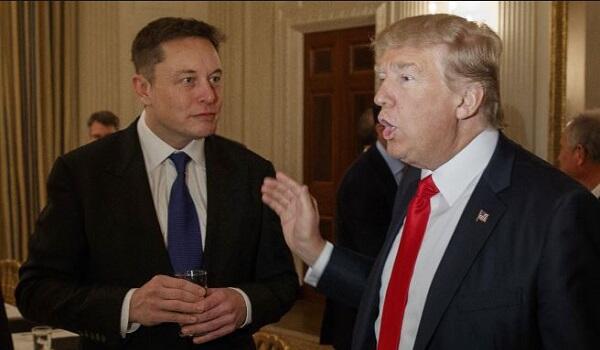
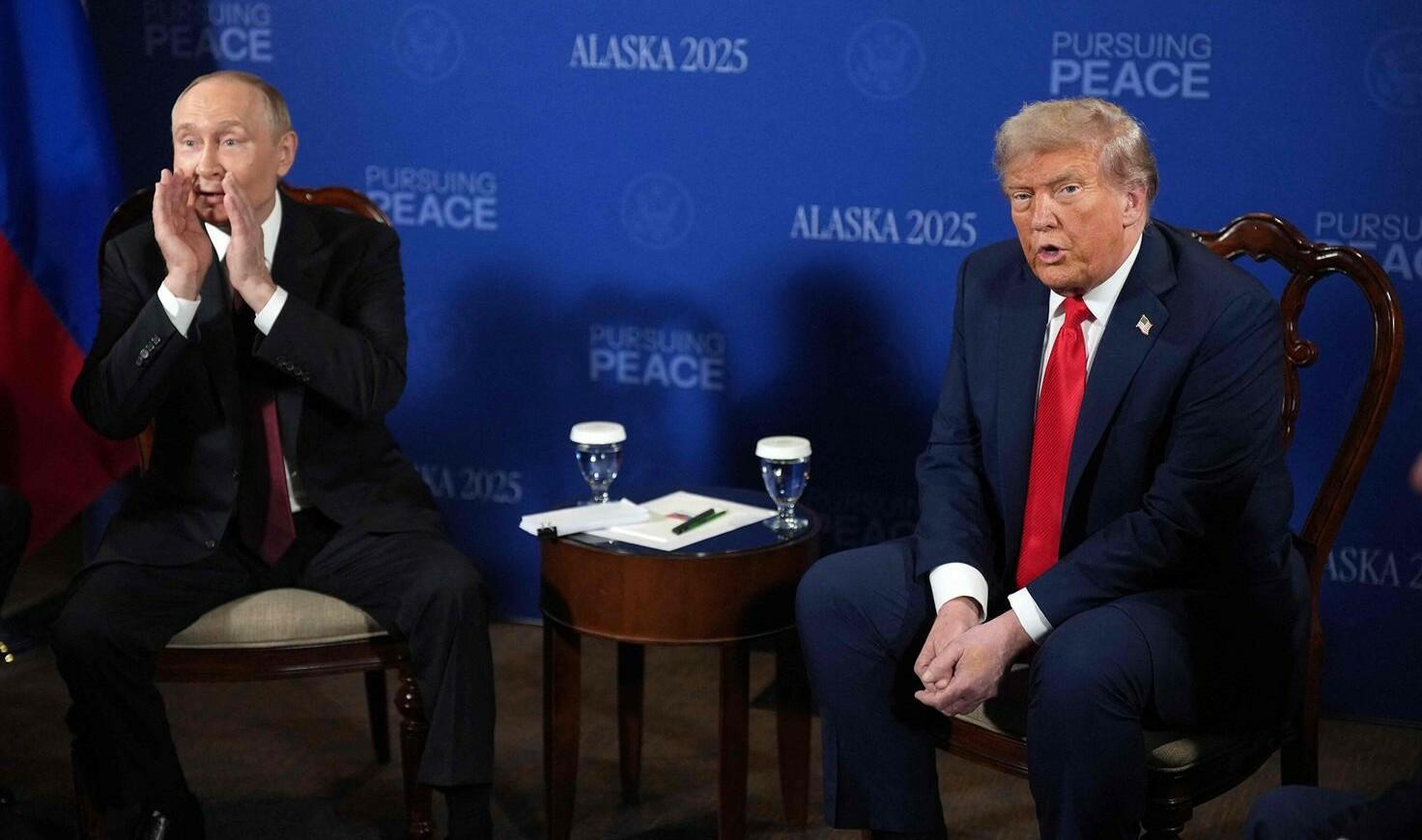
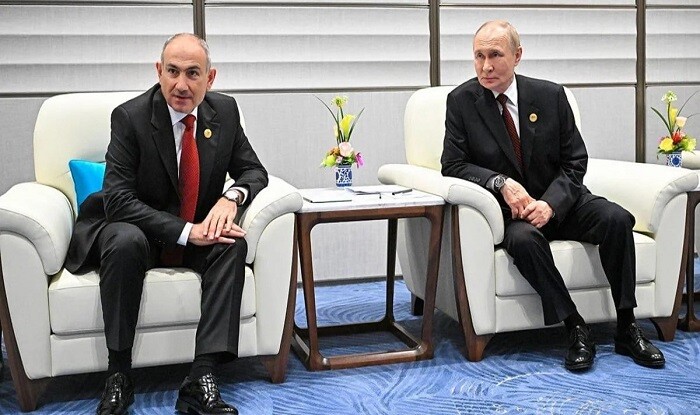
The converging interests of Moscow and Washington against Beijing, amid their “approaching” positions on Ukraine, suggest that such a scenario is not impossible. In return, Russia could gain concessions in Ukraine, neutralize China’s growing influence in the Arctic, and become a stakeholder in the exploitation of Greenland’s natural resources.
In Europe, hopes have not yet been exhausted that the US will refrain from taking destructive steps against allied principles and the NATO charter. However, Washington’s open rejection of the old order suggests that Greenland will become a serious test for the Western alliance.


|
Date
2026.01.21 / 15:27
|
Author
Asif Nərimanlı, Yusif Güney
|