



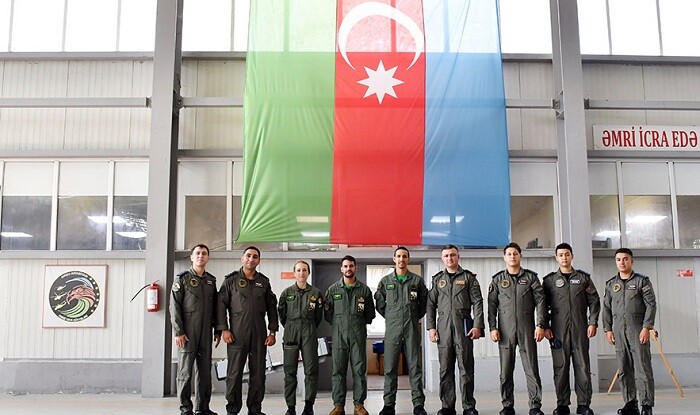
Baku hosts Azerbaijan-Italy search and rescue meeting
10:38
| Home page Society |

|
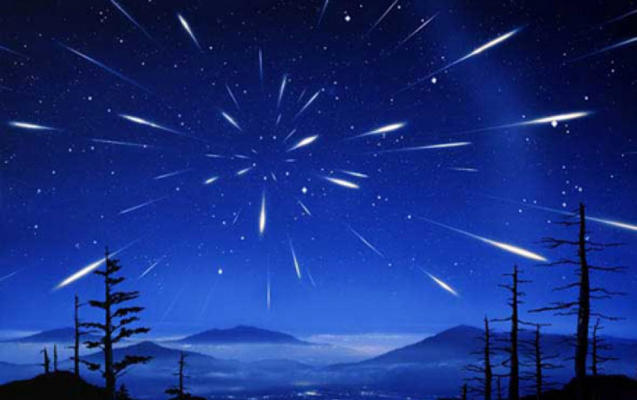
An astronomical spectacle, the Quadrantid meteor shower, is set to light up the skies in early January.
Axar.az informs according to the Astrophysics Department at Baku State University’s Faculty of Physics, the meteor shower will be active from December 12 through January 12, with peak activity expected in the early hours of January 4, around 3 a.m.
The shower will be visible in Baku overnight and toward dawn, with the best viewing conditions just before sunrise, when the radiant reaches its highest point in the sky. At peak activity, observers may see up to 120 meteors per hour, though under realistic viewing conditions in Baku the number is expected to range between 100 and 113 per hour.
This year’s display may be partly hampered by moonlight, as the Moon will be close to its full phase during the peak, reducing visibility for fainter meteors. Brighter meteors, however, should still be visible.
Unlike most major meteor showers, the Quadrantids originate from an asteroid-like object known as (196256) 2003 EH1, which completes an orbit around the Sun every 5.5 years. Scientists believe the object was once an active comet that gradually fragmented, leaving behind a stream of dust and rocky debris.
As Earth passes through this debris stream each January, the particles enter the atmosphere at speeds of around 41 kilometers per second, producing bright streaks of light. Although short-lived, the Quadrantid meteor shower is considered one of the most intense of the year.


|
Date
2025.12.29 / 12:26
|
Author
Axar.az
|