
Azerbaijan lose to Czechia in Futsal World Cup qualifiers
00:40
| Home page World |

|
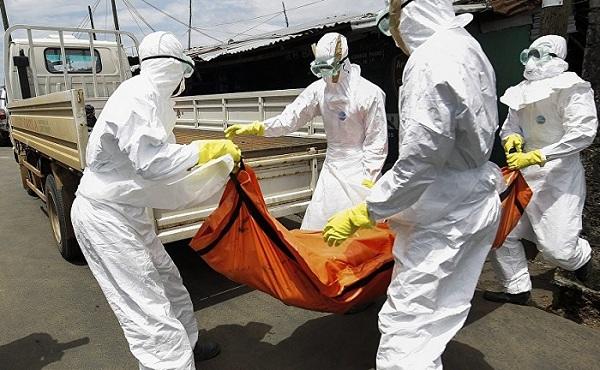
The World Health Organization (WHO) has declared that an outbreak of Ebola virus disease caused by the Bundibugyo virus in the Democratic Republic of the Congo and Uganda constitutes a Public Health Emergency of International Concern (PHEIC), while noting it does not meet the criteria for a pandemic emergency.
Axar.az reports that the decision follows reports of confirmed and suspected cases across eastern Democratic Republic of the Congo and imported infections in Uganda, with evidence of cross-border transmission already documented.
WHO said the situation presents a significant risk of further regional spread due to population movement, ongoing insecurity, and gaps in health system capacity.
According to the WHO, the outbreak includes laboratory-confirmed cases, hundreds of suspected infections, and multiple suspected deaths across several health zones in Ituri province, with additional cases reported in Kampala among travellers from the DRC. Health officials also noted possible healthcare-associated transmission and clusters of unexplained deaths, raising concerns about wider undetected spread.
The organization said the event is considered “extraordinary” due to its geographic spread, uncertainty over the true scale of infections, and the absence of approved vaccines or specific treatments for Bundibugyo virus disease.
WHO Director-General emphasized the need for international coordination and announced plans to convene an Emergency Committee to issue temporary recommendations for affected and at-risk countries.
In its guidance, WHO urged the Democratic Republic of the Congo and Uganda to activate emergency response systems, strengthen surveillance and laboratory capacity, enhance infection prevention in health facilities, and expand risk communication and community engagement. It also called for strict monitoring of contacts, restrictions on travel for confirmed and suspected cases, and strengthened cross-border screening.
For neighbouring countries, the WHO recommended heightened preparedness, rapid response mechanisms, and improved diagnostic capacity, while stressing that no general travel or trade restrictions should be imposed.
The agency also encouraged the development and testing of medical countermeasures, including potential therapeutics and vaccines, alongside improved coordination of logistics and medical supplies.
WHO said it would continue to refine recommendations based on the findings of its Emergency Committee and evolving epidemiological data.


|
Date
2026.05.17 / 17:17
|
Author
Axar.az
|