
Ukraine to receive license to produce patriot missiles
18:10
| Home page World |

|
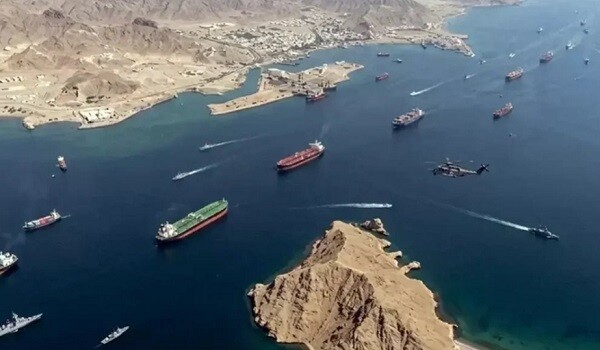
Global oil markets are heading toward a “red zone” by July and August as geopolitical tensions in the Middle East disrupt supply, the head of the International Energy Agency (IEA) has warned.
Axar.az reports, speaking at Chatham House in London on Thursday, IEA executive director Fatih Birol said the combination of rising demand and constrained exports could trigger a global supply crunch during the peak summer travel season.
“This may be difficult and we may be entering the red zone in July–August if we don’t see some improvements,” Birol said.
He added that the most urgent stabilising step would be a restoration of maritime flows through the region. “The most important solution to the Iran war energy shock is a full and unconditional reopening of the strait of Hormuz,” he said.
Birol warned that global inventories were being steadily depleted while “no new oil is coming from the Middle East” at a time of rising seasonal demand. The imbalance, he said, was pushing markets toward a critical threshold.
The IEA chief also noted the scale of the disruption, saying the agency estimates around 14 million barrels per day have effectively been removed from global supply. He described the current situation as one of the most severe energy shocks in decades.
“I have never seen the dark and long shadow of geopolitics so dominant in the energy sector,” Birol said, adding that he feared political actors in Europe could exploit inflation driven by energy prices.
He also pointed to the limited buffer available to markets, noting that while coordination on strategic reserves remains possible, “as much as 80% of IEA’s collective reserves have not been released.”
Birol said production recovery from key Middle Eastern suppliers was unlikely in the near term and warned that the reputational damage to the region as a stable supplier could have long-term consequences. Countries, he suggested, may increasingly turn to alternative suppliers and accelerate investment in renewables and other domestic energy sources.
The warning comes amid continued diplomatic uncertainty over Iran, including stalled mediation efforts involving Pakistan and ongoing disputes over nuclear materials and maritime security in the Strait of Hormuz.


|
Date
2026.05.22 / 09:11
|
Author
Axar.az
|




.jpg)