

Sweden to procure HIMARS systems for $729 million
19:54
| Home page World |

|
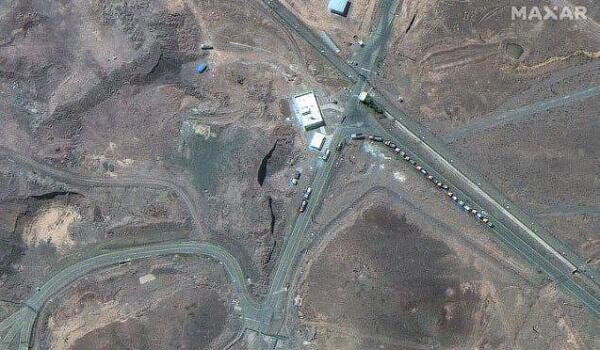
Iran has rapidly reopened key underground missile facilities after U.S. and Israeli strikes previously blocked access points.
Axar.az reports, citing CNN, satellite imagery shows extensive repair work at multiple sites across Iran, where bulldozers and dump trucks have cleared debris, filled bomb craters, and in some cases repaved roads leading to tunnel entrances.
Iranian efforts have reopened 50 of 69 tunnel entrances struck during the conflict across 18 underground missile bases, restoring access to facilities that had been sealed off during earlier air and missile strikes.
Military analysts say the work highlights the resilience of Iran’s dispersed, deeply buried missile network, much of which is built under hundreds of meters of rock and designed to withstand sustained aerial bombardment.
“The US military is good at delivering tactical successes… However, if that isn’t accompanied by a set of reasonable strategic war aims and an achievable theory of victory, it can end up being a strategic failure,” said researcher Sam Lair of the James Martin Center for Nonproliferation Studies.
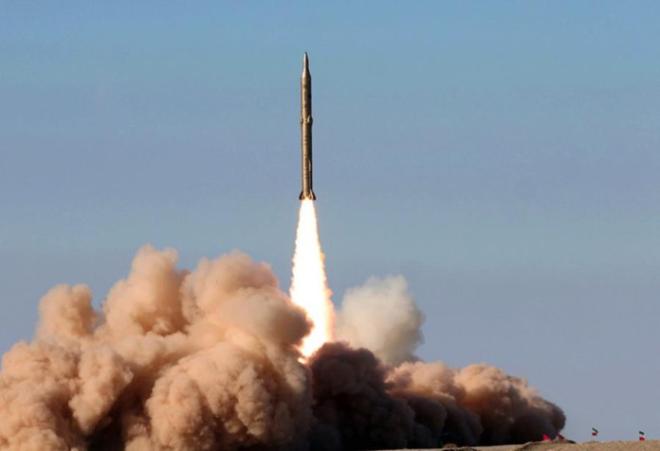
Despite repeated strikes aimed at degrading Iran’s missile capability, experts estimate Tehran still retains large stockpiles and the ability to continue launches if crews and launchers remain operational.
US officials maintain that strikes on launch infrastructure and production sites have significantly disrupted Iran’s capabilities, but intelligence assessments suggest Iran has already begun rebuilding parts of its missile and drone production network.
Analysts warn that the combination of rapid low-tech repairs and deeply buried stockpiles means Iran’s missile threat is likely to persist even after extensive bombing campaigns.


|
Date
2026.05.31 / 23:13
|
Author
Axar.az
|