








Serbia to hold presidential election in December
10:26
| Home page Health |

|
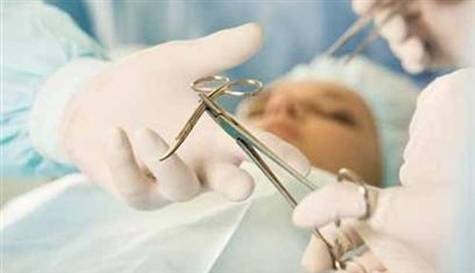
Next week will mark one month since the introduction of general abortion services for the first time in the history of the Irish State. In the final weeks of 2018, there were dire warnings from senior medics and family doctors that the January 1st deadline was being “rushed” and was “dangerously unrealistic”.
Axar.az reports that only nine maternity hospitals were ready to provide full access to abortion care, with the remaining 10 expected to come on board shortly. Some 240 general practitioners have now signed up to the service. Despite the less than comprehensive level of access, abortions are now happening across the country in hospitals and in general practices.
But in the short time since the enactment of the law, some serious concerns have emerged.
For many women, their first experience of the new system will be through the HSE’s MyOptions helpline, which offers information on the location of doctors providing abortion care, as well as access to counselling and aftercare.
Helen Deely, who leads the HSE Sexual Health and Crisis Pregnancy Programme, says there were 500 calls made to the helpline in the first week.
“It looks as if it is settling down, so we are now looking at an average of 55 to 60 calls a day coming in,” she says. The calls are mainly a mix of women seeking access to an abortion and healthcare professionals looking for advice on the new service.
“Primarily women are ringing seeking information around where they can access abortion services in Ireland, so they are looking for contact details of GPs providing the service,” says Deely.
“Equally, women are ringing seeking counselling and someone to talk to. There is also a 24/7 nursing line giving out information for women who are going through an abortion. If a woman has any concerns or is experiencing any side-effects she can be put through to a nurse.”
There were some concerns that anti-abortion activists would target the helpline to find out which doctors were offering the service. These fears have been borne out.
“It appears people were ringing seeking GPs’ information locally. The thing about the helpline is it has to take everyone at face value and trust everyone through the process. So they have no way of knowing; they can only trust what people say to them over the phone.”
As a result, a number of protests have sprung up in Galway, Kilkenny and Louth.
Protesters have no way of discriminating between which patients are attending for routine check-ups and which women are suffering a crisis pregnancy, given the fact that women can access the abortion pill up until nine weeks’ gestation at a GP clinic.


|
Date
2019.01.26 / 16:03
|
Author
Axar.az
|



.jpg)