
Nations League second-round matches conclude
01:03
| Home page Politics |

|
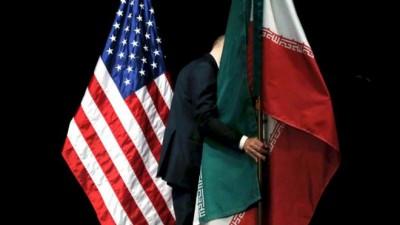
The United States and Iran are set to hold their next round of nuclear talks on Thursday in Geneva, according to Oman’s Foreign Minister Badr al-Busaidi, whose country is mediating the negotiations.
Axar.az reports, citing AP, reports that Washington is awaiting a draft nuclear proposal from Tehran, which Iranian Foreign Minister Abbas Araghchi said would be shared soon.
He indicated there remains a “good chance” for a diplomatic solution.
The talks come amid heightened tensions. The United States has built up a significant military presence in the Middle East, and President Donald Trump has warned that limited strikes against Iran are possible if diplomacy fails. Both Washington and Tehran have signaled they are prepared for conflict should negotiations collapse.
The U.S. insists Iran must not obtain nuclear weapons or maintain uranium enrichment capabilities, while Iran maintains it has the right to enrich uranium and says discussions should focus solely on the nuclear issue, rejecting broader demands related to its missile program and regional allies.
Iran claims it has not resumed uranium enrichment since U.S. and Israeli strikes on its nuclear facilities in June, though the full extent of the damage remains unclear because international inspectors have not been allowed access. Meanwhile, Araghchi said negotiations have included practical proposals and confidence-building measures in exchange for sanctions relief.
The renewed diplomacy comes as Iran faces fresh anti-government protests.
University students in Tehran and Mashhad demonstrated during 40-day memorials for victims of a deadly January crackdown. Rights groups estimate more than 7,000 people were killed in the unrest, while the Iranian government has reported a significantly lower death toll. Although the large-scale protests were suppressed, smaller demonstrations continue despite tightened security and communication restrictions.
Nuclear negotiations have been stalled since 2018, when President Trump withdrew the United States from the 2015 nuclear agreement. The upcoming Geneva meeting is seen as a critical opportunity to revive diplomacy under mounting military and domestic pressure.


|
Date
2026.02.23 / 09:11
|
Author
Axar.az
|