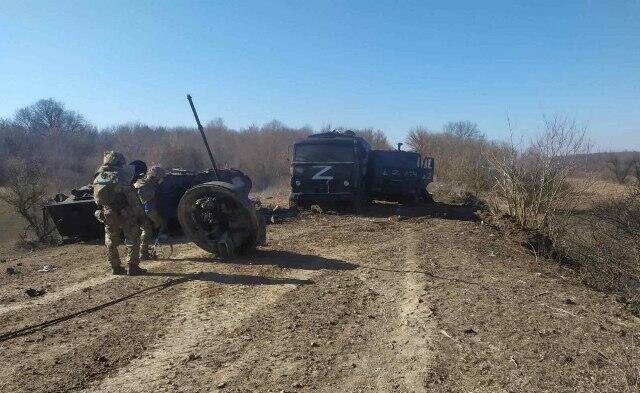


Two Azerbaijani soldiers injured in Kalbajar mine blast
00:35
| Home page World |

|
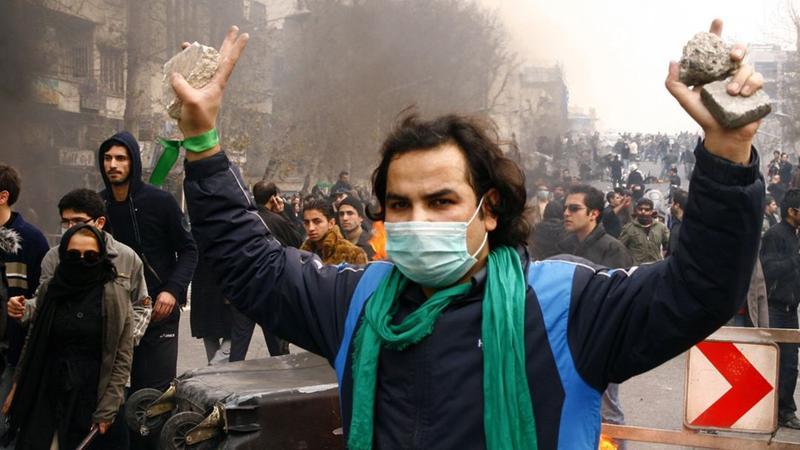
The article argues that Iran’s regime has not collapsed despite repeated waves of mass protests because the Islamic Republic was designed to survive sustained unrest.
Axar.az, citing Foreign Policy, the author states that the main question is not whether Iranians want change (they do), but why unrest hasn’t led to an elite rupture—and the answer lies in Iran’s power structure.
Iran is described as a theocratic security state built around Supreme Leader Ayatollah Ali Khamenei. Real authority is centralized in three protective layers:
Khamenei and his family, where power is highly personalized, and survival is treated as a sacred duty.
The Office of the Supreme Leader (Beit-e Rahbari), which operates like a hidden executive controlling key sectors and embedding loyalists across the system.
A combined shield of clerical legitimacy and the IRGC security apparatus, which justifies repression religiously and enforces it through surveillance, coercion, and economic power.
The article concludes that protests often fail to bring about collapse because Iran’s system blocks elite division, contains unrest through force, and lets the bureaucracy absorb public anger while real power remains protected at the core.


|
Date
2026.01.23 / 14:35
|
Author
Axar.az
|