
Nations League third-round matches completed
00:54
| Home page World |

|
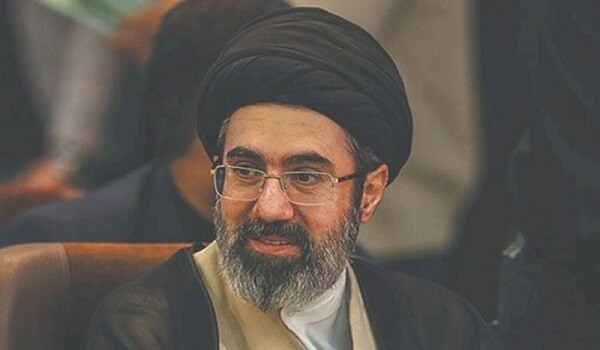
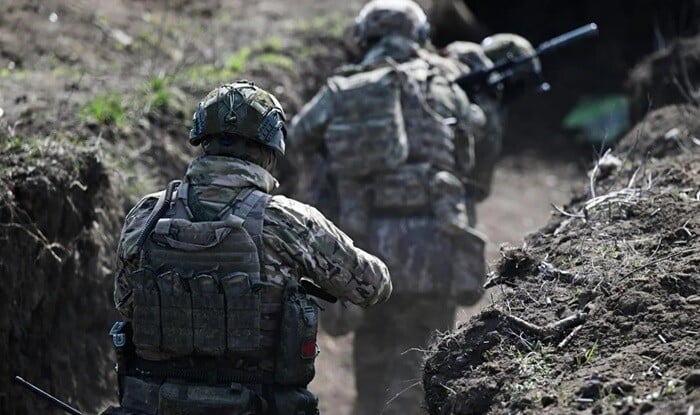
Iran’s Islamic Revolutionary Guard Corps (IRGC) has emerged as the dominant force in wartime decision-making, sharply reducing the role of the country’s traditional clerical leadership.
Axar.az reports, citing Reuters, the shift follows the death of Supreme Leader Ayatollah Ali Khamenei at the start of the U.S.-Israel war and the elevation of his son, Mojtaba Khamenei, who insiders say now largely endorses decisions made by Iran’s security establishment rather than independently directing policy.
A system increasingly centered on the Supreme National Security Council and IRGC commanders, who now drive military strategy, nuclear policy positioning, and negotiations with the United States.
Mojtaba Khamenei is said to function more as a legitimizing figure than a commanding authority.
“There is apparently no one decision-making command structure,” said a senior regional official briefed on mediation efforts, adding that Iran’s responses to diplomatic proposals have been slow and fragmented.
Despite external pressure from the ongoing conflict, officials and analysts say Iran’s internal structure remains cohesive, with no visible fractures between factions. Instead, power has consolidated around a hardline security core, limiting space for pragmatists or dissenting voices.
Diplomatic engagement continues through Foreign Minister Abbas Araghchi and parliament speaker Mohammad Bagher Ghalibaf, while IRGC commanders are reported to hold decisive influence behind the scenes, including on ceasefire arrangements and military posture.


|
Date
2026.04.29 / 20:10
|
Author
Axar.az
|